

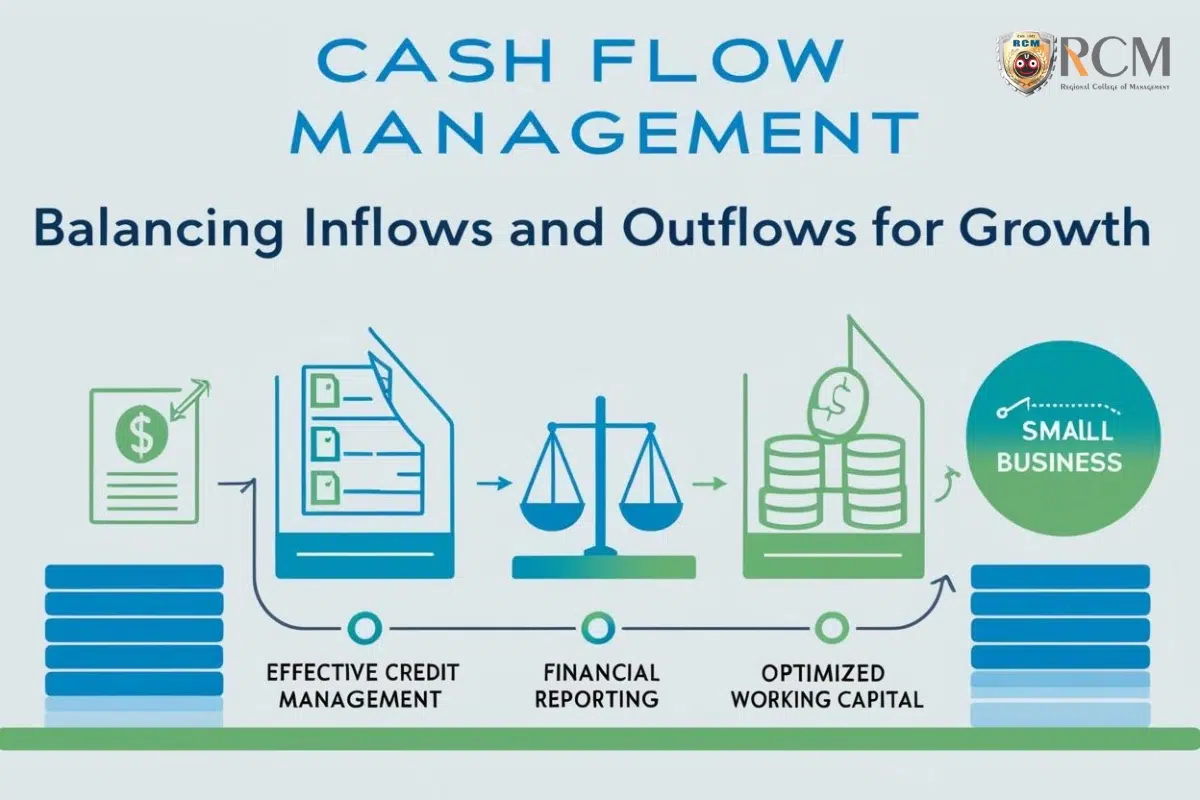
Cash flow keeps your business alive. When money in and money out do not match, stress builds. Bills wait. Payroll feels heavy. Growth stops. You do not need complex tricks. You need clear steps that protect every dollar. That is where strong accounting support matters. A Long Island tax accountant uses simple methods that you can apply right away. You learn how to time payments, control costs, and keep more cash in your hands. Each choice becomes easier when you see the numbers in plain view. This guide walks through three direct ways CPAs help you stabilize cash flow. You see how planning, tracking, and tax strategy work together. You also see how small shifts in habits prevent sudden shortages. With steady cash, you pay on time, invest with care, and sleep at night.
1. Plan your cash before problems hit
You cannot control what you do not see. A CPA helps you build a simple cash plan that shows when money comes in and when it goes out. You stop guessing. You start knowing.
First, you list all expected income. You include sales, service work, grants, and loans. Next, you list every cost. You include rent, supplies, payroll, taxes, debt, and one-time costs. Then you place each item on a monthly calendar. You see gaps at once.
A CPA can set up a rolling 13-week cash forecast. You update it every week. You compare what you planned to what really happened. You catch problems early. You also see extra cash that you can save or invest.
For a clear background on cash flow and planning, you can review the small business guides from the U.S. Small Business Administration.
Simple monthly cash plan example
| Month | Cash in | Cash out | Net cash | End balance |
|---|---|---|---|---|
| January | $80,000 | $75,000 | $5,000 | $20,000 |
| February | $70,000 | $78,000 | $-8,000 | $12,000 |
| March | $90,000 | $76,000 | $14,000 | $26,000 |
This kind of table shows three things. You see months with shortfalls. You see months with extra cash. You see how each month changes your bank balance. A CPA uses this to time high costs so you do not run dry.
2. Tighten how money moves each day
Strong cash flow comes from daily habits. A CPA studies how you collect money and how you pay it out. Then you change small steps that have a strong impact.
On the income side, you can:
- Send invoices on the same day work ends
- Shorten payment terms from 45 days to 30 days
- Offer small discounts for early payment
- Use online payments to cut mail time
On the payment side, you can:
- Pay vendors on the due date, not early
- Set up payment plans for large purchases
- Review all auto charges and stop waste
- Match payment dates to your payroll and sales cycles
A CPA also watches key cash measures. You might track days’ sales outstanding, days payable outstanding, and the cash conversion cycle. These reveal how fast cash travels through your business.
Cash habit changes and cash impact
| Change | Old pattern | New pattern | Estimated cash gain |
|---|---|---|---|
| Invoice timing | Invoice 7 days after work | Invoice same day | Collect up to 7 days sooner |
| Payment terms | Net 45 | Net 30 | Cut 15 days of wait time |
| Vendor payment | Paid 10 days early | Paid on due date | Keep 10 more days of cash |
A CPA helps you test each change. You start with one or two habits. You measure the cash gain. You keep what works and drop what does not.
3. Use tax rules to protect cash
Taxes can drain cash when you do not plan. A CPA studies tax rules so you do not pay more than needed under the law. You also avoid sudden tax bills that hit your bank account.
First, you set up steady tax payments. You spread income and payroll tax across the year. You match payments to your cash plan. You avoid one huge shock at year’s end.
Next, you look at timing. You may shift some costs into this year or next year. You might delay a large income event. You always follow tax rules. You choose legal timing that lowers your cash strain.
You also track credits and deductions that fit your business. These may include:
- Depreciation on equipment and vehicles
- Home office costs for remote work
- Health coverage and retirement plans
- Energy or hiring credits when they apply
For clear tax guidance, review the small business tax center at the Internal Revenue Service. A CPA uses this source and others to shape a tax plan that protects your cash and keeps you in full compliance.
Work with your CPA as a cash partner
Cash flow work is not a one-time task. It is steady care. You meet with your CPA on a regular schedule. You review your cash plan. You compare your forecast to real results. You adjust your habits and your tax plan.
During each meeting, you can ask three simple questions.
- Where is cash tight
- Where is cash strong
- What one change will help most this quarter
These talks keep you focused. You stop reacting in panic. You start choosing calm, planned steps.
Next steps for your business
You do not need complex models. You need three core moves. You plan your cash. You tighten daily money habits. You use tax rules with care. A CPA gives you structure and clear numbers. You gain steady cash, lower stress, and more control over the future of your business and your family.
