

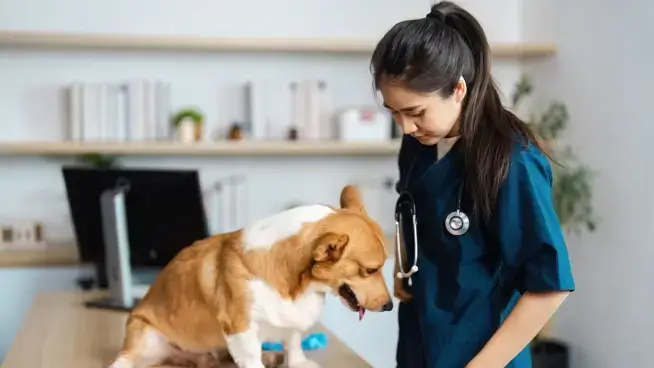
You want your pet to feel safe and cared for. You also want clear answers when something feels wrong. Modern animal hospitals now offer more than shots and bandages. They bring together urgent care, routine checkups, surgery, dental work, and behavior support under one roof. This gives you faster help and fewer hard choices. It also gives your pet steady care at every stage of life.
When you visit a veterinarian in Rancho Cucamonga, you should expect more than a quick exam. You should see a team that knows your pet’s history, tracks changes, and explains options in plain language. You should also see tools that help catch problems early, before pain turns sharp or constant.
This blog walks through five core services you should look for. These services protect your pet’s health, reduce your stress, and help you act with confidence when every minute feels heavy.
1. Preventive Care And Wellness Exams
Strong care starts before illness. Routine visits help you stop problems early instead of reacting when your pet hurts.
In a wellness visit, the team should:
- Check weight, heart, lungs, eyes, ears, teeth, skin, and joints
- Review vaccines and parasite control
- Ask about food, activity, and behavior changes
Regular exams matter for young pets, adults, and seniors. The American Veterinary Medical Association advises at least one wellness visit each year. Senior pets often need visits twice a year. Short visits today can spare your pet from long-term pain later.
Strong preventive care also includes honest talks. You should feel safe asking about money, home limits, and fears. Clear plans let you act early instead of waiting until choices shrink.
2. Vaccines And Parasite Protection
Vaccines and parasite control protect your pet and your family. Many diseases spread through bites, stool, or outdoor spaces. Some also spread to people.
Core vaccines for dogs often include rabies, distemper, parvo, and hepatitis. Core vaccines for cats often include rabies, panleukopenia, calicivirus, and herpesvirus. Your hospital may also offer extra vaccines based on risk and local rules.
Parasite control usually covers:
- Fleas
- Ticks
- Heartworm
- Intestinal worms
These products come as pills, chews, or topical liquids. The team should match products to your pet’s age, weight, and health history. You should also hear clear warnings about signs of infection. For example, coughing, weight loss, or pale gums can point to heartworm.
The Centers for Disease Control and Prevention explains how pet diseases can affect people. Use that guidance to push for strong vaccine and parasite plans that fit your home.
3. Diagnostic Testing And Imaging
Your pet cannot explain pain in words. Diagnostic tools help the team see what your pet cannot say. Modern animal hospitals now offer many of these tools on-site.
Common tests include:
- Blood work to check organs, infection, and anemia
- Urine tests to check kidneys, bladder, and diabetes
- Fecal tests to find worms and other parasites
- X-rays to look at bones, lungs, and some organs
- Ultrasound to view soft tissues and pregnancy
Fast test results guide faster treatment. They also prevent guesswork that can waste money and time. You should expect clear explanations of what each test can and cannot show. You should also hear what will happen next if results are normal yet symptoms stay.
Common Diagnostic Tools In Modern Animal Hospitals
| Tool | What It Checks | When It Helps Most |
|---|---|---|
| Blood panel | Liver, kidneys, blood cells, infection | Before surgery, during illness, for seniors |
| Urinalysis | Kidney function, bladder health, diabetes | House soiling, frequent urination, thirst |
| X-ray | Bones, chest, some abdominal organs | Injury, coughing, breathing issues, limping |
| Ultrasound | Soft organs, masses, pregnancy | Abdominal pain, vomiting, suspected growths |
4. Surgery And Pain Control
Many pets need surgery at some point. Routine spay and neuter. Lump removal. Dental extractions. Emergency care after injury. A modern animal hospital should handle common surgeries with strong safety steps.
Safe surgical care should include:
- Pre-surgery exam and blood work when needed
- Careful anesthesia plan based on age and health
- Constant monitoring of heart rate and breathing
- Clear pain control plan before and after surgery
- Written home care instructions with warning signs
Pain control is not a luxury. It is part of healing. You should hear what pain medicine your pet will get, how long it will last, and what signs of pain to watch for at home. Trembling, restlessness, hiding, or refusal to eat can all show that pain is still present.
If the hospital cannot perform a complex surgery, the team should explain referral options. You deserve to know who will touch your pet and why that choice makes sense.
5. Dental Care And Behavior Support
Teeth and behavior shape daily life for your pet. They also shape safety in your home. Modern animal hospitals now treat both as core services instead of extras.
Dental Care
Most adult dogs and cats have some dental disease. Infection in the mouth can spread to the heart, liver, and kidneys. It can also cause steady pain that your pet hides.
Good dental care includes:
- Regular mouth checks during wellness exams
- Professional cleanings under anesthesia when needed
- X-rays of teeth to find hidden decay
- Guidance on tooth brushing and safe chews at home
You should not feel pushed into cleaning. Yet you should see clear evidence when one is needed, such as photos, X-rays, or a strong smell from infection.
Behavior Support
Behavior problems can strain every part of your life. Biting. Scratching. House soiling. Nonstop barking. These are not “bad” pets. Often, they are scared, confused, in pain, or overstimulated.
Modern animal hospitals help by:
- Screening for medical causes of behavior change
- Teaching simple training steps and home routines
- Referring to certified trainers or behavior experts when needed
The team should listen without judgment. Honest talk about aggression or fear lets you protect your family and your pet. Early help can prevent injuries, broken trust, and surrender to shelters.
How To Use These Services For Your Pet
You do not need to ask for every service at once. Instead, start with three steps.
- Schedule a wellness exam and bring your questions in writing
- Review vaccines, parasite control, and dental care during the visit
- Ask how often your pet should return based on age and health
Modern animal hospitals exist to share the load with you. Use their skills. Ask direct questions. Request clear plans in writing. Your pet depends on your choices. Strong information helps you choose with steady hands, even on the hardest days.
