

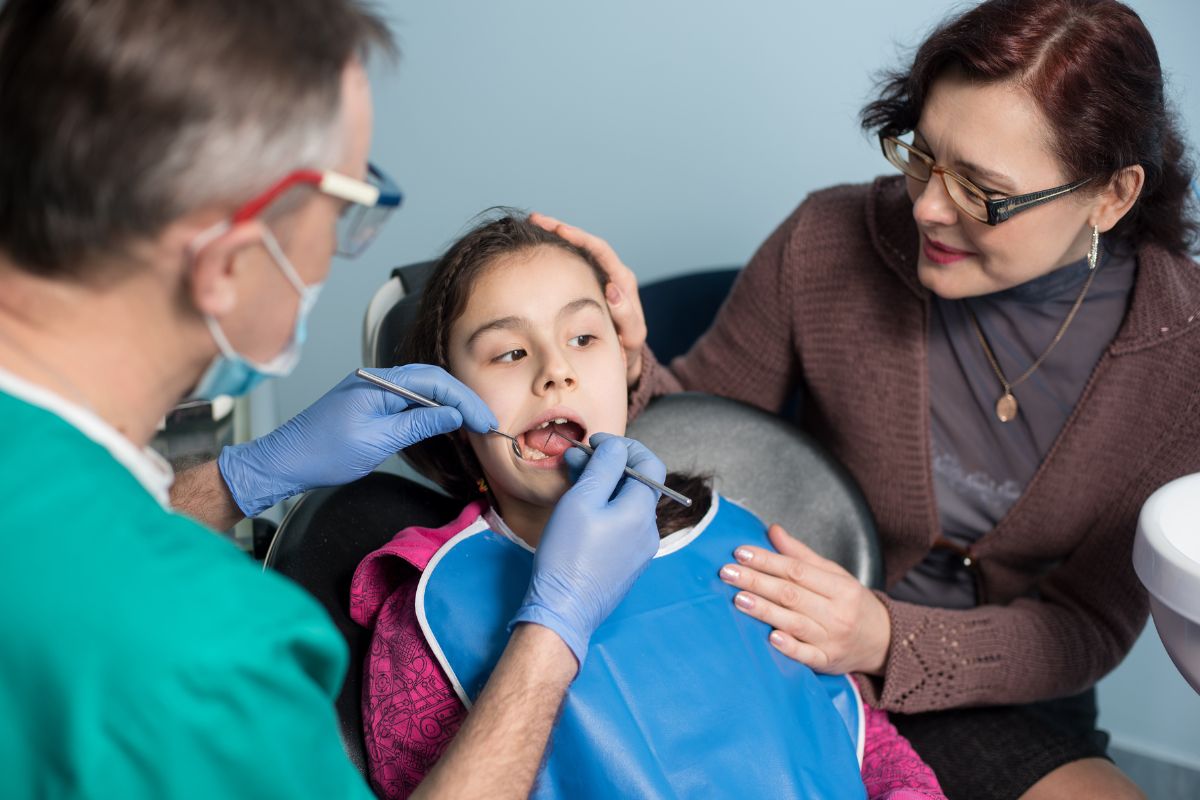
Dental visits can stir up real fear in a child. You might see tears, silence, or sudden stomach aches on appointment day. This stress can lead to skipped cleanings and bigger problems later, including fillings or even root canal therapy in Dumfries, VA. You want to protect your child from pain. You also want to avoid scenes in the waiting room. This guide gives you clear steps to make visits calmer and shorter. You will learn how to talk about the dentist in simple terms. You will see how to prepare your child at home. You will also know what to ask the dental team before and during the visit. These six tips can lower fear, build trust, and keep your child’s mouth healthy. You can turn a dreaded appointment into a routine part of life.
1. Start early and keep a steady routine
Early visits help your child see the dentist as normal care. The American Academy of Pediatric Dentistry advises a first visit by age one or within six months after the first tooth appears.
Use three simple steps.
- Schedule the first visit when your child is very young.
- Set checkups every six months.
- Keep appointment times steady, such as the same weekday each time.
Short early visits often focus on a quick look, gentle cleaning, and talking. These build trust. Later visits then feel expected, not sudden.
2. Use calm, clear words at home
Your words shape your child’s picture of the dentist. Harsh or dramatic terms can spark fear. Simple words can ease it.
Try this rule of three.
- Say “the dentist will count and clean your teeth.”
- Avoid words like “hurt,” “shot,” or “drill.”
- Answer questions with short, honest lines.
If your child asks, “Will it hurt?” you can say, “You might feel some pressure. It will be quick. I will be with you.” This respects your child and avoids false promises.
3. Practice the visit through play
Practice lowers fear. Children learn through repeat play, stories, and pictures.
You can:
- Play “dentist” with a toothbrush, a mirror, and a stuffed animal.
- Read a short picture book about dental visits from your library.
- Let your child count your teeth, then switch roles.
During play, use the same calm words you will use on visit day. Practice sitting still, opening the mouth, and taking deep breaths. This gives your child a sense of control.
4. Pick the right time and plan simple rewards
Timing matters. A tired or hungry child will struggle more in the chair.
Use this simple guide.
| Age | Better time of day | Helpful support |
|---|---|---|
| Toddlers (1 to 3) | Morning, after a snack | Small comfort toy, parent’s lap if allowed |
| Preschool (3 to 5) | Morning | Simple story about the visit, sticker after |
| School age (6 to 12) | Late morning or early afternoon | Choice of music, small reward after |
Plan a modest reward after the visit. You can offer a trip to the park, extra story time, or a board game together. Avoid candy or sweet drinks. The goal is to link the visit with care and connection, not sugar.
5. Work as a team with the dental staff
Your child watches how you act with the dentist. Calm teamwork sends a strong message of safety.
Before the visit, call the office and ask three questions.
- “How do you help children who feel nervous?”
- “Can I stay with my child during the visit?”
- “What words do you use to explain treatment?s”
During the visit, let the staff lead the care. You can support by holding your child’s hand or offering a cue like, “Let us count to ten together.” If your child cries, stay steady. Say, “You are safe. You are doing hard work. You are not alone.”
For more on how regular care helps children, see the Centers for Disease Control and Prevention guidance on children’s oral health.
6. Prepare for treatment and protect future visits
Sometimes your child will need treatment, such as a filling. Fear often grows from surprise. Clear steps can reduce that fear and protect future visits.
Use this three-part plan.
- Ask the dentist to explain the steps to you in advance.
- Then share a shorter version with your child in simple words.
- Plan comfort tools such as a favorite song, a soft toy, and slow breathing.
After treatment, praise your child’s effort, not just “being brave.” You can say, “You opened your mouth when the dentist asked. You breathed slowly. You stayed in the chair.” This builds a sense of strength that carries into the next visit.
Comparing home habits and visit needs
Good habits at home make dental visits easier and faster. They also lower the risk of pain and complex work.
| Home habit | What you do | Effect on visits |
|---|---|---|
| Tooth brushing | Brush twice each day with fluoride toothpaste | Shorter cleanings and fewer cavities |
| Snacks and drinks | Limit sweet snacks and sugary drinks | Lower need for fillings or crowns |
| Dental checkups | Visit every six months or as advised | Small problems caught early |
Putting it all together
You cannot remove every fear, but you can shrink it. Early and steady visits, clear words, practice play, smart timing, strong teamwork, and honest prep work together. These steps protect your child’s mouth and also build trust. Each calm visit today makes the next visit easier. Over time, the chair becomes a place of quick care, not a source of dread.
