

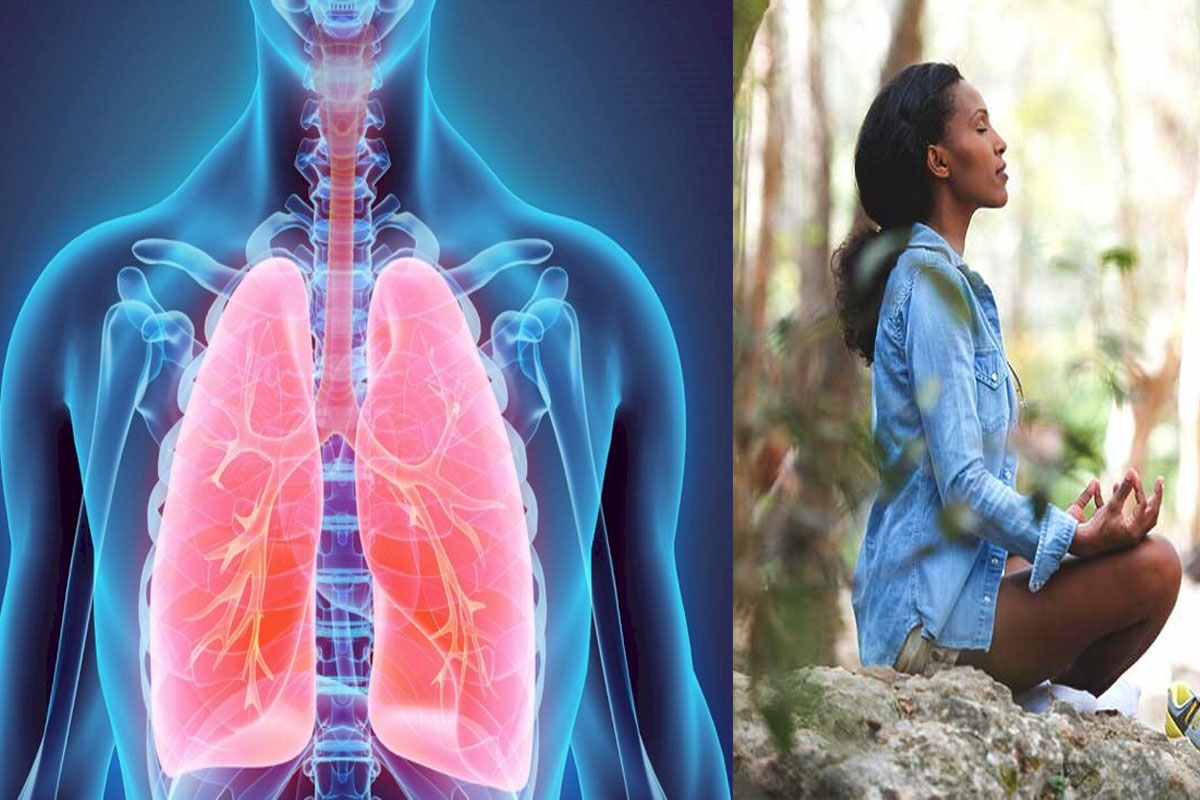
Your lungs are extremely hardworking organs that constantly facilitate the exchange of oxygen and waste with each breath you take. Ensuring good health is critical for overall well-being, but it often escapes our attention.
Implementing basic daily behaviours can greatly boost your lung capacity and enhance respiratory function. Let’s explore seven healthy behaviours that can significantly impact your lung health.
1. Deep Breathing Exercises
Engaging in deep breathing routines proves to be a potent method for enhancing lung function. Practices such as diaphragmatic breathing and pursed lip breathing entail inhaling slowly and deeply, thereby boosting the capacity of the lungs. Regular practice can improve lung function and promote relaxation, benefiting respiratory health.
Engage in deep breathing exercises daily, focusing on expanding your diaphragm and inhaling deeply through your nose. These practices can strengthen respiratory muscles and enhance oxygen intake, improving lung health. You can incorporate a breathing exercise device to make these sessions more effective.
2. Regular Cardiovascular Exercise
Engaging in cardiovascular activities like walking, jogging, or swimming can enhance lung capacity by elevating the body’s need for oxygen. This encourages the lungs to function more vigorously, improving efficiency and stamina. Try to practice at least 150 minutes of moderate-intensity exercise every week to enjoy these lung benefits and promote overall health.
Engaging in exercises that boost your heart rate can enhance your respiratory muscles and maximise lung performance. Maintaining a regular workout routine is essential for experiencing the full benefits of exercise for lung health.
3. Avoid Smoking
Inhaling smoke harms the delicate tissues of your lungs, constricts airways, and boosts the likelihood of respiratory ailments. The best strategy for enhancing lung wellness and lessening the chances of afflictions such as COPD and lung cancer is to kick the habit of smoking. Avoiding exposure to secondhand smoke is also crucial for maintaining healthy lungs.
Giving up smoking is the best way to boost lung health and lower the risk of respiratory diseases. Your body begins repairing smoking-related damage and improving lung function within 24 hours of quitting.
If quitting smoking feels like an uphill battle, it might be worthwhile to explore assistance from medical experts, enrol in a program dedicated to quitting smoking, or incorporate nicotine replacement treatments into your strategy. By quitting smoking and avoiding exposure to tobacco smoke, you can safeguard your lung health and enjoy a higher quality of life.
4. Maintain a Healthy Diet
A balanced diet of fruits, vegetables, and lean proteins supports respiratory health by providing essential nutrients and antioxidants. Fish and nuts contain omega-3 fatty acids, which possess anti-inflammatory properties known to support the health of the lungs. Stay hydrated to keep airway mucous membranes moist, facilitating easier breathing.
Adequate hydration is as important as consuming nutritious foods for maintaining optimal lung function. Ensuring your airway’s mucous membranes stay moist is vital for easier breathing. Hydrate well with water and avoid dehydrating beverages like alcohol and coffee. These dietary choices promote optimal lung function and lower the risk of respiratory problems.
5. Sort out your Posture
Maintaining good posture allows your lungs to expand and contract fully with each breath. Poor posture can restrict the movement of the diaphragm and compress the lungs, leading to reduced lung capacity over time. Practice good posture during daily activities to optimise respiratory function.
Ensure you’re attentive to your body’s alignment, whether you’re seated, upright, or in motion. Employing workouts such as yoga or Pilates, which incorporate stretching and strengthening exercises, can bolster your posture and boost your lung capacity. Prioritise good posture to support healthy lung function and prevent respiratory problems.
6. improve the Air Quality in your Home
Indoor air pollutants like secondhand smoke, household chemicals, and mould can irritate the airways and exacerbate respiratory conditions. Ensuring better indoor air quality entails maintaining a clean, well-ventilated, and smoke-free home environment. Employing air purifiers or filters aids in eliminating airborne pollutants while promptly addressing sources of moisture further enhances air quality.
To enhance indoor air quality and protect lung health, minimise exposure to indoor pollutants by keeping your home clean and well-ventilated with the use of air purifiers or filters. Avoid smoking indoors and using harsh cleaning products and aerosols.
Address any sources of moisture or mould promptly, and consider using hypoallergenic bedding and furnishings to reduce allergen exposure. Take steps to reduce indoor pollutants and safeguard your lung health.
7. Stay up to Date with Vaccinations
Vaccination shields you from contagious respiratory illnesses such as the flu and COVID-19, slashing your chances of getting seriously sick and spreading the infection. Follow the advice of health authorities during outbreaks to steer clear of respiratory infections and safeguard your lung well-being.
In addition to receiving routine vaccinations, it’s essential to follow public health guidelines during outbreaks of infectious diseases. Protecting your health requires proper hand hygiene, face masks in crowded or high-risk areas, and avoiding sick people. Keeping current with vaccinations not only promotes respiratory wellness but also fosters community welfare.
Conclusion
Simple daily habits can have a major effect on lung health and respiratory function. Deep breathing, cardiovascular exercise, avoiding smoking, eating well, improving indoor air quality, and staying vaccinated can improve lung capacity and reduce respiratory issues. Prioritising these habits improves health and quality of life.
