

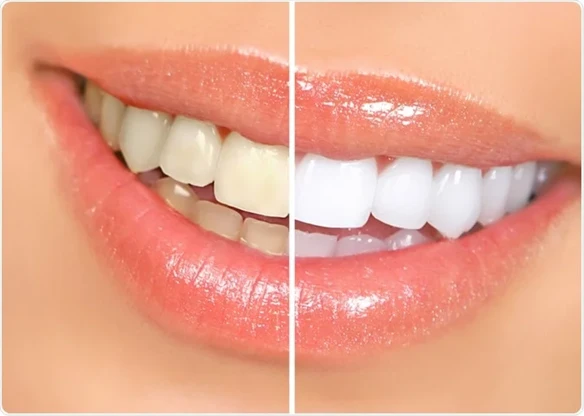
You may be looking in the mirror and thinking your teeth do not need major work, just a little help. A chipped edge, small gaps, stains that do not lift with whitening strips, or a tooth that looks slightly uneven can be enough to make you hold back your smile. The hard part is knowing what will actually improve your teeth without a long, invasive process, which is why seeing a dentist in Eastpointe, MI can help you understand your options.
That concern is reasonable. Many people want a better smile but do not want healthy enamel removed unless it is truly needed. The good news is that several cosmetic treatments can improve appearance with little to no drilling, little discomfort, and less time in the chair. For the right patient, minimally invasive cosmetic dentistry can deliver a noticeable change while preserving more of your natural tooth structure.
Minimal preparation cosmetic dentistry protects more of your natural teeth
When a treatment requires minimal preparation, it usually means your dentist removes very little tooth structure, or none at all, before placing or bonding a material. That matters because enamel does not grow back. If your teeth are healthy, keeping as much enamel as possible is often the smartest starting point.
This is where people get stuck. You want cosmetic improvement, but you do not want to commit to a treatment that feels bigger than the problem. A full crown for a small chip often feels excessive. Traditional veneers can be a great option, but some patients are not ready for that level of change. A family and cosmetic dentist can help sort out what is truly necessary and what is not.
The materials used in cosmetic dentistry have also improved. Bonding resins and porcelain can be shaped with more precision, and modern dental materials are designed to balance appearance, strength, and safety. The National Institute of Dental and Craniofacial Research offers a useful overview of dental materials used in modern care, which helps explain why conservative options are more practical than they once were.
Dental bonding offers fast improvement with little or no drilling
Dental bonding is often the simplest answer when the issue is small but visible. A tooth colored resin is applied, shaped, and hardened with a special light. It can fix chips, close minor gaps, smooth rough edges, and improve discoloration in one visit.
This option works well if you want a change without much commitment. If one front tooth is shorter than the other, or a corner chipped and now catches your eye in every photo, bonding can often correct it quickly. In many cases, the tooth needs only light surface preparation. Some teeth need none at all.
Bonding is usually more affordable than porcelain, which matters if you want cosmetic work but need to stay within a budget. The tradeoff is durability. Bonding can stain and may chip sooner than porcelain, especially if you bite your nails, chew ice, or grind your teeth.
No prep veneers create a polished look with less enamel removal
No prep or low prep veneers are thin porcelain shells bonded to the front of the teeth. They are not right for every smile, but they can be a strong option when you want a broader cosmetic upgrade with less alteration than traditional veneers.
These veneers can improve shape, color, and slight spacing all at once. If your teeth are small, worn, or uneven, they can create a cleaner, more balanced appearance. The appeal is obvious. You get a more dramatic result than bonding, but with less preparation than many people expect.
There are limits. If teeth are very crowded, heavily rotated, or large and prominent, no prep veneers may add bulk and look unnatural. In those cases, your dentist may suggest another route. A careful exam matters because the goal is not just a nicer smile. It is a result that fits your face and bite.
Enamel microabrasion improves surface stains without major treatment
Some cosmetic concerns are not about shape at all. They are about marks in the enamel that make teeth look patchy or dull. Enamel microabrasion removes a very thin outer layer of enamel to reduce surface discoloration, including some white, brown, or mottled spots.
This is one of the least invasive cosmetic dental options available when the problem is shallow staining. It is often paired with whitening for a more even result. If you have spots from fluorosis or minor enamel irregularities, microabrasion may help without changing the structure of the tooth in any major way.
Not every stain will respond. Deep internal discoloration usually needs a different treatment. The best way to know what kind of stain you have is to get a proper exam. MedlinePlus explains common causes of tooth discoloration and staining, which can help you understand why one treatment works for one person and not another.
Low preparation smile treatments vary in cost, longevity, and ideal use
| Option | Best For | Tooth Preparation | Longevity | Common Limitation |
|---|---|---|---|---|
| Dental Bonding | Small chips, minor gaps, uneven edges | Little to none | About 3 to 10 years | Can stain or chip more easily |
| No Prep Veneers | Color, shape, mild spacing concerns | Minimal in selected cases | About 10 to 15 years | Not ideal for every bite or tooth position |
| Enamel Microabrasion | Surface stains and enamel spots | Very minimal surface removal | Long lasting for the treated area | Does not treat deep discoloration |
If you are comparing these choices, think beyond the first appointment. A lower cost treatment may need touch ups sooner. A porcelain option may cost more upfront but hold its appearance longer. The right answer depends on what bothers you, how long you want the result to last, and how much change your teeth actually need.
Clear next steps help you choose the right cosmetic dentistry treatment
Pinpoint what bothers you most. Do not start with the treatment. Start with the one or two things you notice every day. A single chip needs a different solution than overall discoloration or several uneven front teeth.
Ask for the most conservative option first. Tell your dentist you want to preserve enamel if possible. That simple request can shift the conversation toward conservative cosmetic dentistry and away from bigger treatments you may not need.
Review a long term plan, not just a quick fix. Ask how the result will age, whether maintenance is likely, and what happens if you want to change the treatment later. That matters most when you are choosing between bonding and porcelain.
A natural looking smile does not have to start with aggressive treatment
If you have been putting this off because you pictured drilling, temporary restorations, or a major bill, you are not alone. Many cosmetic concerns can be improved with lighter touch treatments that respect your natural teeth. The key is choosing a provider who looks at function, appearance, and preservation together.
A family and cosmetic dentist can help you compare these options in a way that fits your smile, your budget, and your comfort level. If you are ready to improve your smile, schedule a consultation and ask which minimal preparation treatment makes the most sense for you.
