

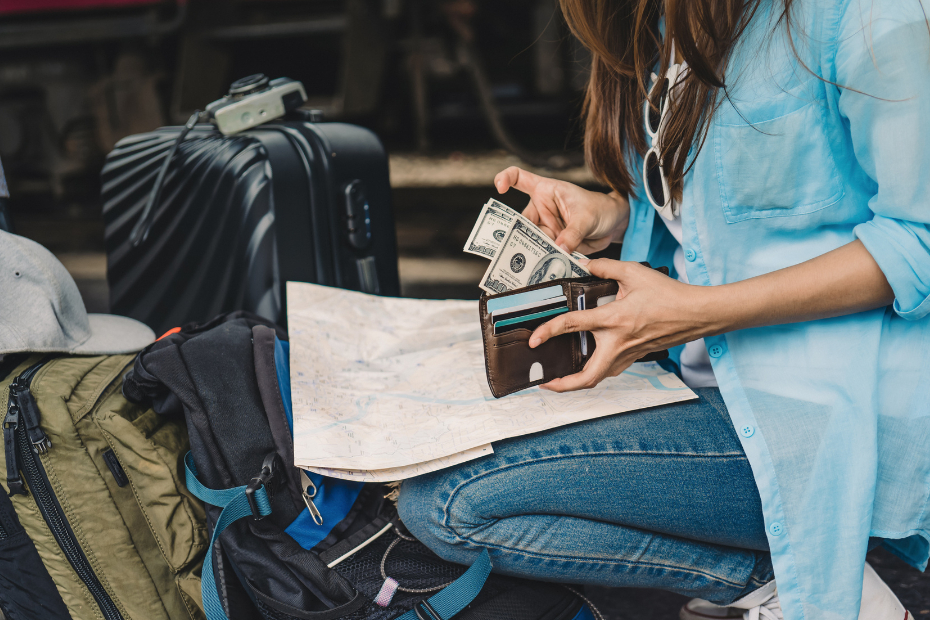
Your flight is booked, the hotel is reserved, and the itinerary is ready. Then comes a small detail: having the right money when you arrive. A taxi, snack, or train ticket can become awkward if you land without local cash.
Planning to buy travel money before departure gives you time to compare exchange rates, understand fees, and choose a convenient way to receive currency. Preparation can help you avoid rushed airport exchanges and make spending abroad more straightforward and relaxed.
Preparing A Realistic Currency Budget Before Departure
Start with the expenses you expect during your trip instead of choosing a cash amount at random. A realistic budget helps you manage spending, prepare for unexpected costs, and avoid carrying more cash than necessary.
1. Estimating Everyday Travel Expenses
List the expenses you are likely to face, including airport transfers, meals, local transport, sightseeing tickets, tips, and small purchases. Research typical prices at your destination to estimate a reasonable daily budget. Remember to include occasional expenses such as snacks, shopping, or additional transport. Keeping a small amount aside for unexpected situations can also help you manage your money without disrupting the rest of your travel plans.
2. Separating Cash From Card Spending
Decide which expenses are more convenient to pay in cash and which can be handled with a debit or credit card. Local markets, small cafés, street vendors, tips, and some rural transport services may prefer cash. Hotels, restaurants, and larger retailers may accept cards. Understanding these differences before departure helps you carry a suitable amount of local currency while keeping your other funds available through secure payment methods.
3. Avoiding Unnecessary Cash Risks
Carrying all your travel money in one wallet can create problems if it is misplaced or stolen. Keep only the amount needed for daily expenses in your wallet and store the remaining notes in a secure location, such as a hotel safe. You can also divide cash between separate travel bags or compartments. This simple precaution limits the amount you could lose and gives you access to reserve money when required.
Comparing Foreign Exchange Rates And The Real Cost
An attractive headline rate is only one part of a currency order. Compare the amount you will receive after fees, delivery charges, and payment costs are included.
1. Comparing The Final Currency Amount
When you buy travel money, compare providers using the same sterling amount and destination currency. Focus on the final foreign currency amount you will receive rather than relying only on the advertised exchange rate. A provider may display an attractive rate but include additional charges elsewhere in the transaction. Reviewing the complete order value gives you a more realistic basis for comparison and helps you understand which option offers better value for your planned purchase.
2. Understanding Rate Movements
Foreign exchange rates can change in response to economic announcements, interest-rate decisions, political developments, and international market demand. A rate available when you first visit a provider’s website may not remain the same when you place your order. Review the quoted rate carefully and understand whether it is secured during checkout or confirmed only after payment. If you are planning a larger purchase, following rate movements for a short period can help you make a more informed decision.
3. Looking For Clearly Explained Charges
Before placing an order, review any commission, card payment fees, delivery charges, and minimum purchase requirements. These costs can affect the final amount you receive, even when the displayed exchange rate appears competitive. Read the payment summary and terms rather than assuming the advertised rate represents the entire transaction. If a charge or condition is unclear, contact the provider before confirming your purchase. Understanding the full cost helps you avoid unexpected deductions.
Choosing A Convenient Way To Receive Foreign Currency
Your preferred collection method can affect the timing and cost of your order. Consider delivery arrangements, collection locations, and your departure schedule.
1. Using Home Delivery For Added Convenience
Home delivery saves you a trip to the collection branch. Review delivery times, tracking arrangements, insurance conditions, and signature requirements. Confirm that someone will be available to receive the package.
2. Considering Click And Collect For Flexible Timing
Click and collect suits travellers who prefer collecting currency in person. Confirm the branch address, opening hours, collection window, and identification requirements before placing your order.
3. Placing Orders In Good Time
Avoid ordering currency at the last minute. Allow time for payment clearance, processing, dispatch, or collection. Weekends and public holidays may affect schedules, so review deadlines before departure.
Planning Currency Needs For Different Destinations
Cash requirements vary between destinations. Consider these factors before travelling:
- Researching Local Payment Preferences: Find out whether local shops, restaurants, and transport services prefer cash or cards.
- Carrying Useful Note Denominations: Carry smaller notes for everyday purchases, local transport, and refreshments.
- Keeping A Backup Payment Method: Keep a separate debit or credit card for unexpected expenses or emergencies.
- Reviewing Cash Rules Before Flying: Check customs rules and currency limits for your destination before departure.
Planning ahead helps you manage travel money more conveniently.
Keeping Your Travel Cash Safe Throughout The Journey
Once your currency arrives, organise it carefully as part of your travel essentials. Keep a manageable amount accessible for everyday purchases and store the remaining cash securely. Avoid displaying large amounts of money in crowded airports, stations, markets, or tourist areas. If you need additional currency during your trip, use reputable exchange providers or banking facilities. Retain receipts and order records for reference. These simple habits help protect your travel funds and make spending abroad more convenient and stress-free.
Conclusion
A little currency planning can make the first hours of a trip feel calmer. This leaves you better prepared before the journey even begins. Instead of relying entirely on airport counters or overseas cash machines, compare the options before departure and decide what amount suits your itinerary. Keep some local notes accessible, store the remainder securely, and retain a backup payment method. These simple steps leave more room to enjoy the experience you travelled for.
For travellers who want to buy US dollars online UK, Sterling FX provides online foreign currency ordering, home delivery, and click and collect from its central London branch. Customers can choose from a wide range of currencies, review the quoted rate, select a delivery date, and pay by bank transfer or eligible debit card. Their services also include in-branch currency exchange and international payments.
