

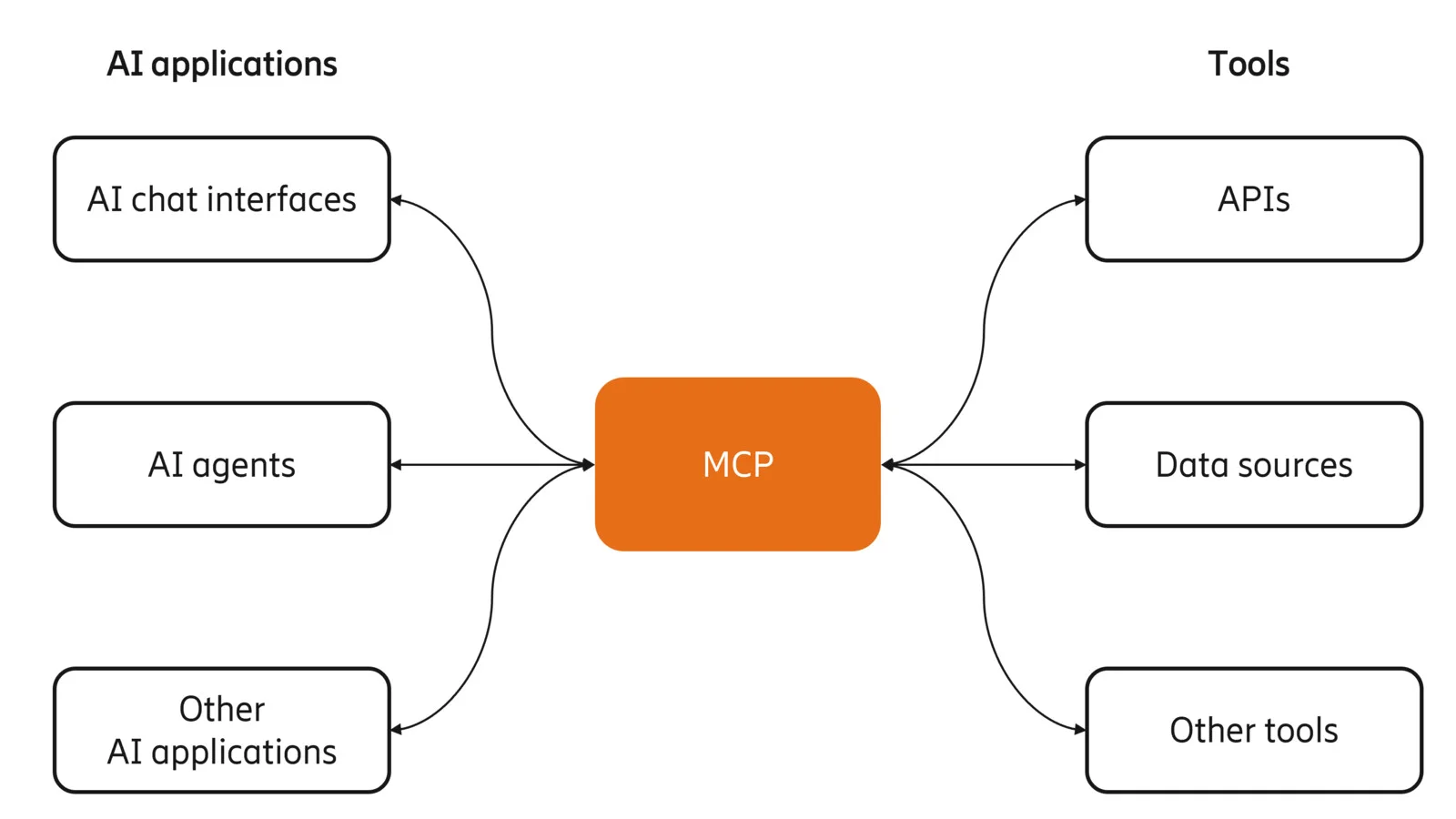
Everyone shipped an AI agent this year. Very few of those agents can tell you whether a flight landed, whether an email address is real, or what the euro did overnight. The model reasons beautifully and then hits a wall the moment the answer lives outside its training data. That wall is exactly where APIs for AI agents come in: small, fast, structured data services the agent can call mid-conversation and trust the result. This guide covers how the integration actually works, what makes an API agent-ready, and the nine data tools we see developers wiring into agents most often.
Why Agents Stall Without Live Data
A language model is frozen knowledge. Ask it for the USD to INR rate and it will give you a number from its training window, delivered with full confidence. Ask it whether a phone number a user just typed is real and it has nothing at all to reason from.
Agents fix this with tool use. The model does not know the answer, but it knows how to ask for it: it emits a structured call, your runtime executes an HTTP request, and the JSON response goes back into the model’s context as evidence. Every major model provider now supports this pattern natively through function calling, and the Model Context Protocol has turned it into something close to a standard. Search interest in MCP servers went from almost nothing to six figures in monthly searches within a year, which tells you how quickly agent-to-API plumbing became mainstream developer work.
The quality ceiling of the whole system is the data layer. A brilliant agent with a flaky API behind it produces confident answers built on stale or missing data, and users remember exactly one thing: it was wrong.
What Makes an API Agent-Ready
Not every API that works in a normal backend works well as an agent tool. Four properties matter more in agent workloads than anywhere else:
Structured, predictable JSON. The response gets parsed into a model’s context window. Stable field names and flat, documented schemas mean your tool wrapper stays five lines long. Surprise nulls and shape-shifting responses mean your agent hallucinates around the gap.
Low latency. An agent often chains three to six tool calls before answering. At 300 milliseconds per call, the user barely notices. At 3 seconds per call, your product feels broken.
Simple authentication. API key in a header or query parameter. OAuth dances and short-lived tokens are manageable in a backend, and miserable inside tool-calling loops.
Honest failure modes. When the data does not exist, an agent-ready API says so in a parseable error object. The worst thing a data API can do to an agent is return a 200 with an empty body, because the model will happily improvise what should have been there.
One more thing that matters at the account level: agents are promiscuous. A single assistant might need geolocation, currency, news and email checks in one conversation. Getting each from a different vendor means four contracts, four dashboards, four billing surprises. This is why consolidated platforms have become the default for agent builders; a single API provider with consistent auth and response conventions across many data types removes most of the integration tax at once.
Nine Data Tools and What an Agent Does with Each
Here is the APILayer ecosystem mapped to agent jobs, because concrete beats abstract:
Ipstack (IP intelligence). The agent’s sense of place and risk. Resolve a visitor’s IP to location for personalization, or run an ip reputation api check for VPN and proxy signals before letting an automated flow touch anything sensitive. Fraud-triage agents lean on this hardest.
Numverify (phone validation). Onboarding and CRM agents use it to verify a phone number’s format, country, carrier and line type before storing it or sending anything to it. An agent that cleans a contact list without validation is just reformatting bad data.
Mailboxlayer (email verification). Same job for email: syntax, domain, MX records and disposable-address detection, the groundwork every email deliverability api workflow starts from. Lead-qualification agents call it on every captured address, which is the difference between a pipeline and a spam trap.
Marketstack (stock market data). A financial data api covering end-of-day and intraday equities across global exchanges. Research assistants and portfolio bots use it as their numbers source, so the model analyzes real prices instead of remembering old ones.
Mediastack (news). Live and historical news articles, filterable by source, country and category. This is the retrieval layer for any agent that must answer “what happened” questions, and the media monitoring api behind agents that watch coverage of a company.
Aviationstack (flight data). Real-time flight status, schedules and routes. Travel assistants check it before a user leaves for the airport; logistics agents watch cargo flights with it.
Serpstack and Scrapestack (search results and web scraping). The open-web duo. Serpstack gives the agent structured Google results for research and verification steps; Scrapestack fetches pages at scale with proxy handling, so the agent can read sources behind the links.
Positionstack and Countrylayer (geocoding and country data). Forward and reverse geocoding turns addresses into coordinates and back; country data supplies currencies, languages, dialing codes and flags. Unglamorous, and quietly load-bearing in any agent that touches logistics, forms or anything international.
Each one answers a question models cannot answer alone, and all nine live in one api products catalog with the same key-based auth pattern, which is precisely what you want when an agent needs four of them in one session.
Wiring a Data API into an Agent
The pattern is the same regardless of framework. Define the tool, execute the call, return structured results. A minimal example using the OpenAI-style function schema and ipstack:
import os, requests
TOOL = {
“name”: “lookup_ip”,
“description”: “Resolve an IP address to location and security data”,
“parameters”: {
“type”: “object”,
“properties”: {“ip”: {“type”: “string”, “description”: “IPv4 or IPv6 address”}},
“required”: [“ip”],
},
}
def lookup_ip(ip: str) -> dict:
r = requests.get(
f”https://api.ipstack.com/{ip}”,
params={“access_key”: os.environ[“IPSTACK_KEY”]},
timeout=5,
)
r.raise_for_status()
data = r.json()
# Return only what the agent needs: smaller context, fewer wrong turns
return {
“city”: data.get(“city”),
“country”: data.get(“country_name”),
“latitude”: data.get(“latitude”),
“longitude”: data.get(“longitude”),
}
Two habits in that wrapper do most of the work. First, the tool returns a trimmed dict, not the raw response: every field you pass into context is something the model might fixate on, so pass only what the task needs. Second, the timeout and raise_for_status turn infrastructure failures into catchable exceptions your agent loop can handle with a retry or an honest “I could not check that.”
The same wrapper shape works for a currency lookup, an email check or a flight status call. Write it once, template it, and adding the ninth tool takes ten minutes.
Picking the Stack: Checklist Before You Commit
· Free tier for prototyping. You will rewrite your tool definitions three times before launch. Do it on free keys. Every APILayer product ships one.
· Rate limits that match agent math. Multiply daily active users by questions per session by tool calls per question. That number is your real quota requirement, and it is always bigger than you first guess.
· Consistent conventions across tools. Same auth style, same error shape, same docs format across every API you adopt. Mixed conventions multiply your wrapper code and your failure modes.
· A testing surface. Being able to fire a live request from the browser before writing code shortens every integration. The APILayer playground exists for exactly this.
· Room to grow. Agents that work get more traffic than planned. Check what the step above your launch tier costs before you are forced to find out. Teams standardizing on several data tools at once usually do the math on an api suite subscription instead of stacking individual plans.
The Part Worth Remembering
The agent frameworks will keep churning. The models will leapfrog each other every quarter. The constant underneath is that agents need verified, current, structured data, and the teams shipping agents people actually rely on are the ones who treated the data layer as seriously as the prompt.
Start with the one lookup your agent gets wrong most often, wire in the API that fixes it, and measure the difference in answer quality. A free API key and a thirty-line wrapper is a small price for an agent that stops guessing. The full catalog of APIs for AI agents is browsable with live examples, so your next tool is a lunch break away.
