

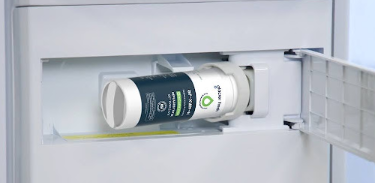
Water is one of the most important ingredients in everyday food and beverage preparation. Although people often focus on the quality of coffee beans, tea leaves, and other ingredients, the water used in these preparations also plays an important role. Unpleasant tastes, odors, and certain dissolved substances can influence the final flavor of a beverage. For households that regularly use refrigerator water dispensers, choosing a compatible ge mwf water filter can be a practical way to reduce certain unwanted substances and improve the overall drinking experience.
Why Water Quality Matters When Preparing Beverages
Coffee and tea are primarily made with water, meaning that its characteristics can influence the flavor of the finished drink. Even high-quality ingredients may produce disappointing results when prepared with water that has an unpleasant taste or odor.
For compatible GE refrigerators, a suitable ge xwfe water filter can help maintain the filtration system and reduce selected substances, including those responsible for chlorine-related taste and odor. This can be particularly useful for households that regularly use refrigerator water for beverages and everyday drinking.
Water quality is influenced by several factors, including its mineral content, treatment process, and source. Chlorine is commonly used in municipal water treatment to help control microorganisms, but some consumers notice its taste when drinking water directly or preparing beverages.
Refrigerator filtration can help address certain aesthetic water quality concerns, depending on the cartridge’s specifications. However, it is important to understand that not every filter removes the same substances or changes water mineral content in the same way.
How Chlorine Taste Can Affect Everyday Drinks
Chlorine is widely used in public water treatment because it helps disinfect drinking water and maintain water safety throughout distribution systems.
Although this treatment is important, some people find the taste or smell of chlorine noticeable. When water is used to prepare coffee or tea, these characteristics may influence the overall drinking experience.
A refrigerator filter containing activated carbon can reduce certain chlorine-related tastes and odors through adsorption. During this process, selected compounds attach to the surface of the carbon material as water passes through the cartridge.
The effectiveness depends on the specific filter design, the amount of filtration media, and the conditions under which the cartridge operates.
Homeowners should check the manufacturer’s performance information rather than assume that every refrigerator cartridge provides identical results.
Understanding the Role of Minerals in Drinking Water
Minerals naturally occur in many water sources. Calcium, magnesium, and other dissolved substances can influence water characteristics and beverage preparation.
For example, water hardness is associated with the concentration of calcium and magnesium. These minerals can affect how water interacts with coffee compounds during brewing.
Very hard water may also contribute to mineral deposits inside kettles, coffee machines, and other kitchen appliances. These deposits can accumulate over time and may require periodic descaling.
However, mineral content is not automatically undesirable. The taste and suitability of drinking water depend on several characteristics, and different beverages may respond differently to variations in mineral composition.
Standard refrigerator carbon filters are not necessarily designed to remove dissolved minerals or soften hard water. Consumers concerned about water hardness should consider appropriate testing and filtration technologies specifically designed for that purpose.
Choosing the Correct Refrigerator Filter for Your Household
Selecting a replacement cartridge is an important part of maintaining consistent water quality. Refrigerator filters are manufactured for particular appliance configurations, and choosing the wrong model can lead to installation difficulties.
GE refrigerators use different filter designations, including MWF, XWF, XWFE, and RPWFE. These cartridges should not automatically be considered interchangeable.
Start by locating the model number of your refrigerator. This information is usually printed on an identification label inside the refrigerator compartment or around the door frame.
Next, inspect the existing cartridge and note its model number. Compare this information with the compatibility details provided by the replacement manufacturer.
Some newer refrigerator systems use RFID technology to identify compatible cartridges. If your appliance requires this feature, verify it before ordering a replacement.
Checking these details helps homeowners choose a cartridge that matches their appliance and supports the intended filtration setup.
How Often Should You Replace Your Refrigerator Water Filter?
A refrigerator water filter has a limited service life. As water passes through the filtration media, the cartridge gradually accumulates the substances it is designed to reduce.
Manufacturers generally provide a recommended replacement interval and rated capacity. Many refrigerator filters are designed for approximately six months of use, although the actual schedule depends on the product and household water consumption.
Families that use their water dispenser frequently may reach the cartridge’s rated capacity sooner than households with lower water consumption.
Waiting until water develops an unpleasant taste is not the best replacement strategy. A filter can reach its recommended service limit without producing an obvious change in taste or odor.
Homeowners can make replacement easier by recording the installation date and setting a reminder on their phones. If the refrigerator includes a filter indicator, it can also serve as a useful maintenance reminder.
Maintain Coffee Machines, Kettles, and Other Kitchen Equipment
Water quality is only one part of preparing good beverages. Kitchen equipment also requires regular cleaning to maintain its performance.
Coffee machines can accumulate mineral deposits, coffee oils, and residue from repeated use. These substances may affect the taste of future drinks if they are not removed periodically.
Kettles should also be inspected for limescale, particularly in areas where the household water supply contains higher mineral concentrations.
Follow the equipment manufacturer’s descaling instructions and use suitable cleaning products. Avoid using chemicals that are not recommended for food-contact appliances.
Keeping equipment clean, using fresh ingredients, and maintaining the refrigerator filtration system can help create a more consistent beverage preparation routine.
Understanding Filter Certifications Before Purchasing
Consumers comparing refrigerator filters should look beyond product appearance and advertised pricing.
Certification information can help explain which performance claims have been independently tested.
For example, NSF/ANSI 42 addresses aesthetic effects such as chlorine taste and odor reduction. NSF/ANSI 53 covers certain health-related contaminant reduction claims.
Different standards apply to different filtration characteristics, so homeowners should check the specific certification associated with a product.
It is also important to remember that certification against one standard does not mean a filter removes every possible contaminant. Reviewing the manufacturer’s documentation helps consumers understand the cartridge’s intended capabilities.
Simple Ways to Improve Your Daily Drinking Experience
Maintaining better drinking water habits does not require complicated changes.
Use clean glasses and reusable bottles, wash beverage containers regularly, and avoid leaving drinking water exposed for extended periods.
If your refrigerator has a built-in dispenser, clean its accessible surfaces periodically and check the drip tray for accumulated moisture or residue.
Replace the water filter according to its recommended schedule and follow the flushing instructions after installing a new cartridge.
These small practices can support a more enjoyable and organized household drinking routine.
Conclusion
Water quality can influence the taste of coffee, tea, and many other beverages prepared at home. Although ingredients and preparation methods remain important, maintaining a properly functioning refrigerator filtration system can help reduce certain unwanted tastes and odors. Homeowners should select compatible replacement cartridges, understand their filtration capabilities, and follow recommended replacement schedules. Combining these practices with regular cleaning of kettles, coffee machines, and water containers can help create a better everyday beverage experience while supporting responsible kitchen maintenance.
