

Chronic, low-level inflammation is linked to metabolic ageing, obesity, insulin resistance, and several long-term health problems. While acute inflammation helps the body respond to injury or infection, ongoing inflammation can stay high for years. Researchers often study it using markers like C-reactive protein (CRP), interleukin-6 (IL-6), and tumour necrosis factor-alpha (TNF-α).
Fasting has gained attention because it affects how the body uses energy, responds to insulin, and burns fuel. However, the science is more complex than the idea that fasting just “switches off” inflammation.
What happens during therapeutic fasting?
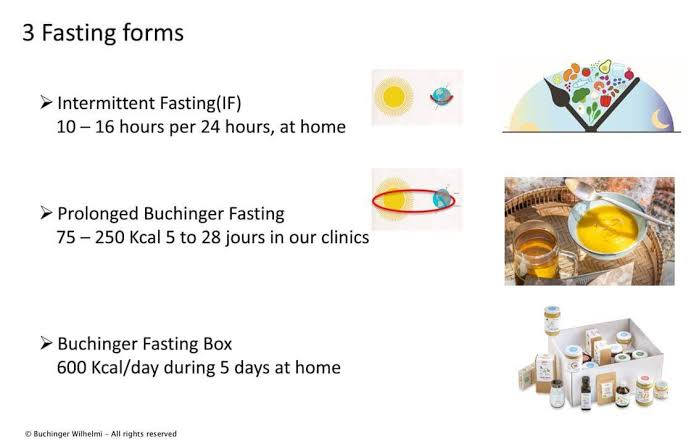
Therapeutic fasting according to Buchinger is a medically guided method that combines very low energy intake with fluids, vegetable broths or soups, and careful refeeding. As fasting continues, the body gradually moves from mainly using glucose for energy to relying more on stored fat and ketone bodies.
This shift can affect insulin sensitivity, oxidative stress, and how cells communicate. Fasting also triggers processes that help maintain cells, such as autophagy. While these effects make sense biologically, showing them in the body does not always mean they lead to clear health benefits.
What does the inflammation research show?
Research does not show that fasting always reduces inflammation. A 2025 review of 14 human studies found that CRP often went up during long fasts, especially in people who were overweight or obese. Results for IL-6 and TNF-α were mixed. Some studies saw these markers drop or return to normal after refeeding, which suggests these changes might be temporary and part of the body’s adjustment, not a sign of worse chronic inflammation.
Intermittent fasting shows more promising results. A 2025 review and meta-analysis of 21 studies with 839 adults found that TNF-α and CRP levels went down, though IL-6 did not change much. Another meta-analysis found that time-restricted eating might lower TNF-α, but its effects on CRP and IL-6 are still unclear.
This difference is important. Buchinger-style prolonged fasting and intermittent fasting are not the same; they have different lengths, foods, and effects on the body. So, results from one type do not always apply to the other.
Metabolism, weight and inflammation
One reason inflammatory markers might improve is that fasting can lead to weight loss and better metabolic health. Extra visceral fat is active in the body and can increase inflammation. Improving insulin sensitivity, blood sugar control, and body composition may help lower some causes of chronic low-level inflammation.
A 2025 controlled feeding study found that people who lost weight through fasting also had lower CRP, better insulin sensitivity, and lower blood pressure. This suggests that some benefits of fasting may come from better metabolic health, not just from fasting directly reducing inflammation.
Why medical supervision matters
Prolonged fasting is not suitable for everyone and should not be done alone as a detox. Medications, diabetes, heart conditions, nutrition, and kidney health can all affect whether fasting is safe.
Therapeutic fasting according to Buchinger should be seen as a structured program that needs proper screening, monitoring, and refeeding. Medical checks can spot any reasons not to fast, track important changes in the body, and decide if anything needs to be adjusted. Staying hydrated, keeping electrolytes balanced, and allowing time for recovery are also key.
Movement and nervous-system recovery
Fasting does not mean you have to stop moving. The right kind of exercise can help with mobility, circulation, and mental wellbeing. Activities like walking, Nordic walking, swimming, aqua exercise, mobility work, and supervised strength or posture exercises can be adjusted to fit your energy levels.
Mental health is important too. Ongoing stress can affect sleep, appetite, metabolism, and inflammation. Practices like yoga, Qi Gong, Feldenkrais, breathing exercises, mindfulness, and relaxation can support recovery as part of a supervised program. Mindfulness and relaxation do not “cure” inflammation, but managing stress helps support long-term health.
A holistic clinical setting
Schloss Warnsdorf blends the charm of an English country manor with personalised care, medical expertise, and peaceful surroundings, all within a holistic approach. Their fasting program includes medical assessment and supervision, along with a daily package that covers fasting meals, monitoring, accommodation, wellness facilities, and sports and relaxation. Personal trainers and medical specialists guide guests through activities like walking, Nordic walking, aqua gymnastics, yoga, Qi Gong, Feldenkrais, and back-focused exercises. The program also features lectures, relaxation practices, and planned refeeding, showing how fasting, movement, mindfulness, and relaxation all work together.
Conclusion
Research shows that fasting can affect inflammation and metabolism, but there is not enough evidence to call prolonged fasting a universal treatment for chronic inflammation. Some people may see better inflammatory markers along with weight loss and improved metabolic health, but temporary increases in these markers during long fasts can also happen.
A sensible approach is to be measured, not absolute. Therapeutic fasting should be tailored to the individual, medically supervised, and followed by proper refeeding and lifestyle support. For people interested in fasting for prevention or healthy ageing, the evidence supports doing it in a clinical setting rather than relying on detox claims.
