

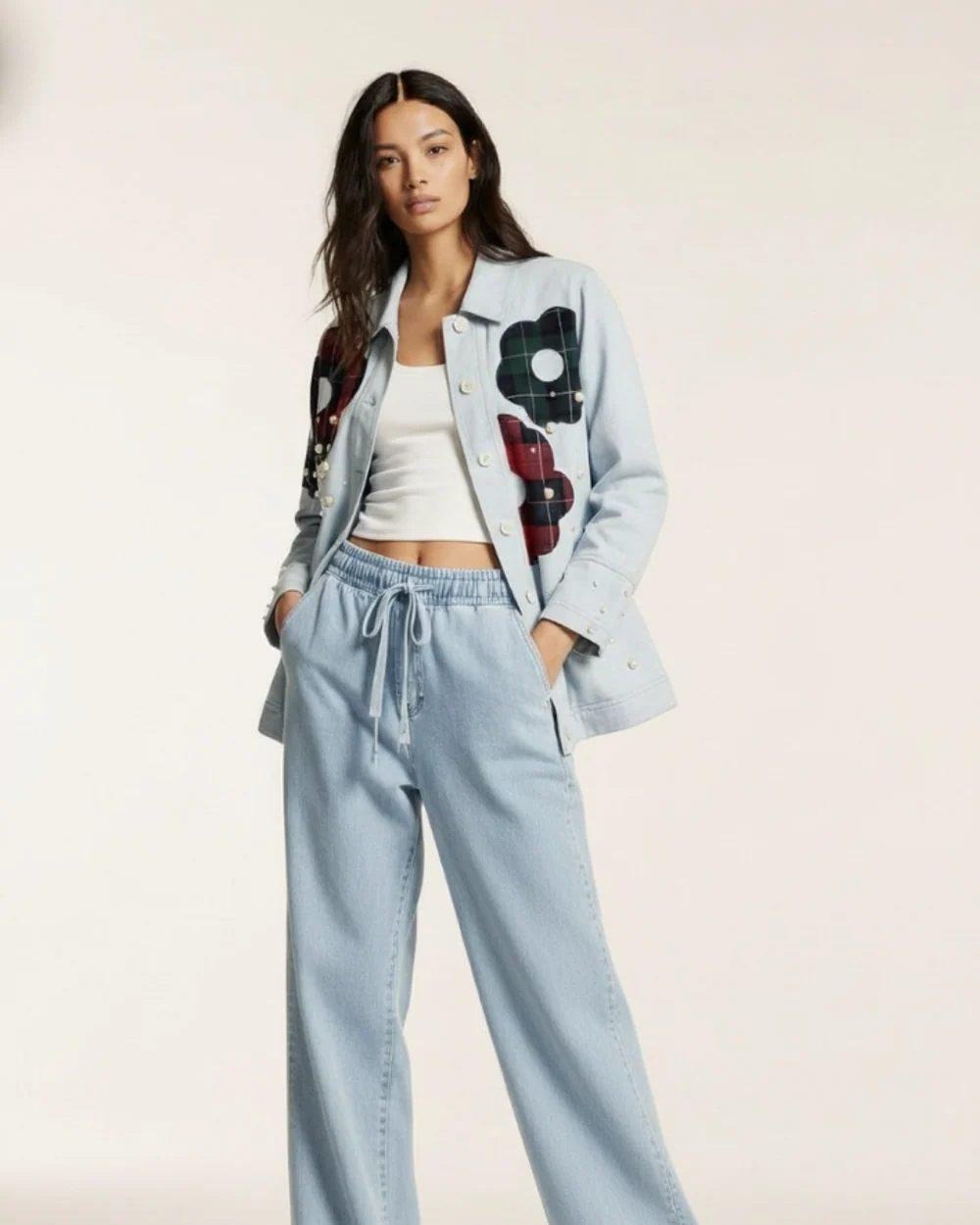
You open your wardrobe on a busy morning and everything feels either too plain or too formal. You want something that works for the office, a lunch meeting, and a casual evening out. Many women end up buying shirts online that look beautiful in photos but arrive with scratchy threadwork, flimsy fabric, or a fit that never sits right.
The problem isn’t a lack of options. It’s knowing what separates a well-made piece from a forgettable one. Whether you’re browsing embroidered shirts for women for the first time or refreshing your closet with designer shirts for women, a few simple principles can save you money and frustration.
What Makes Embroidered Shirts Different?
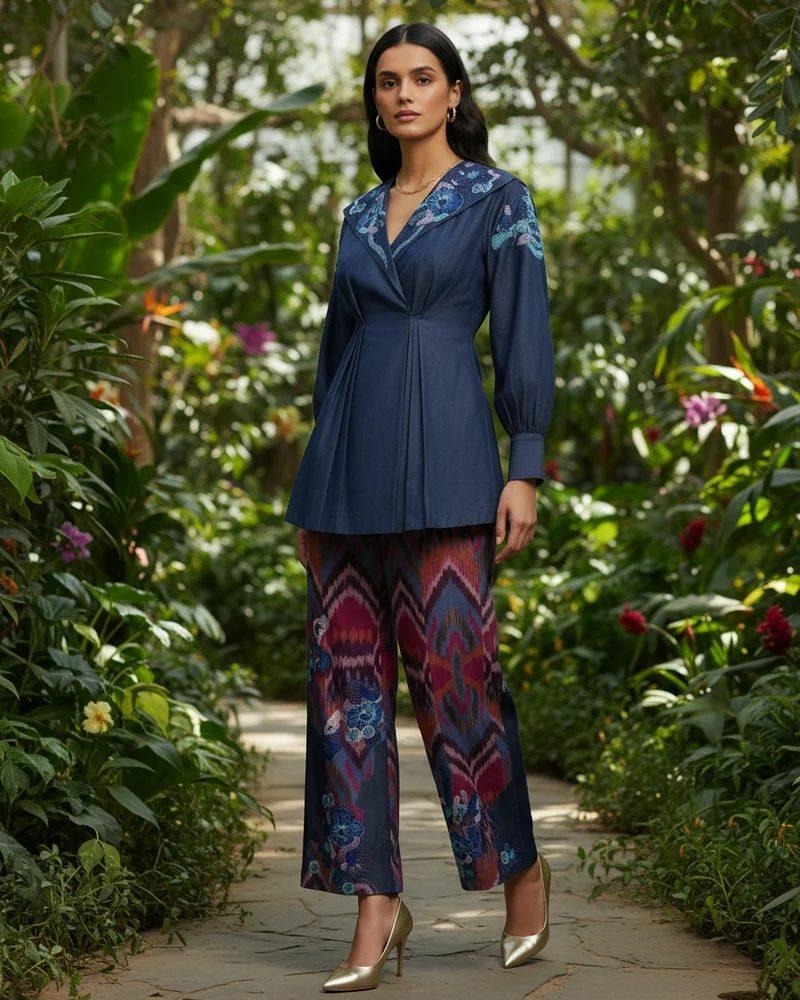
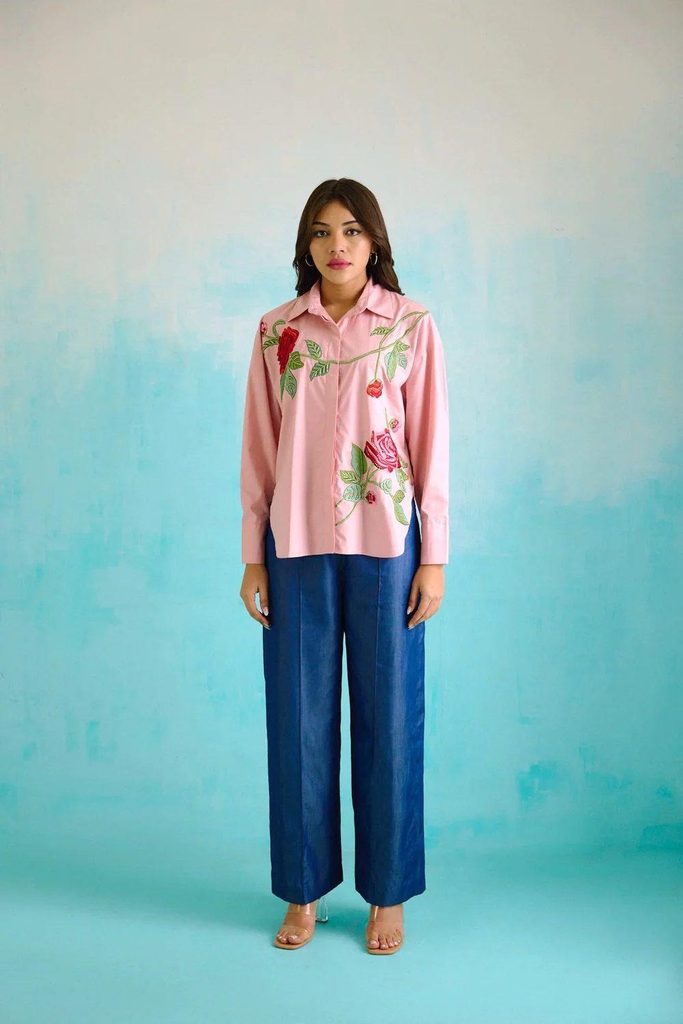
Embroidery is decoration created by stitching thread directly into fabric, and it adds texture, depth, and personality that a printed design can’t match. On a shirt, it can appear as delicate floral motifs, geometric patterns, tonal threadwork, or bold statement panels.
There are several common techniques worth knowing:
- Machine embroidery: Consistent and durable, ideal for everyday wear.
- Hand embroidery: Unique and detailed, but typically pricier and more delicate.
- Cutwork and eyelet: Small openings combined with stitching, adding airy texture for warm weather.
- Tonal embroidery: Thread matching the fabric color, giving subtle elegance.
Designer shirts for women often borrow from all of these, but what makes a shirt “designer” isn’t a label. It’s thoughtful construction: balanced proportions, clean finishing, quality fabric, and details that feel intentional. A good designer shirt looks considered from every angle, including the inside seams.
A Practical Selection Framework
Use this five-point check before you buy.
1. Fabric first. Cotton, cotton-linen blends, and soft poplin breathe well and hold embroidery neatly. Very thin or stretchy fabrics can pucker under heavy threadwork. In warm climates, lightweight natural fibers are the safest choice.
2. Embroidery placement. Placement shapes how the shirt flatters you. Embroidery along the collar, yoke, or cuffs frames the face and shoulders. Vertical panels add length, while all-over patterns work best when the silhouette is relaxed.
3. Thread density. Run your fingers across the stitching, or study close-up photos. Dense, tightly packed stitches should lie flat. Loose threads or stiff backing suggest lower quality and can irritate skin.
4. Fit and cut. A structured shirt suits formal settings, while an oversized or relaxed cut works for casual outings. Check shoulder seams, sleeve length, and hem shape against your own measurements rather than guessing your size.
5. Versatility. Ask whether you can style it at least three ways. If a shirt pairs only with one specific bottom, it’s probably not a smart investment.
A Quick Example
Imagine you’re building a capsule wardrobe for a work week. You pick a white cotton shirt with subtle tonal embroidery at the collar and cuffs. On Monday, you wear it tucked into tailored trousers for a meeting. On Thursday, you pair it with denim and loafers for a casual team lunch. On the weekend, you leave it untucked over a skirt, add jewelry, and it suits dinner plans.
One thoughtfully chosen piece covers three occasions. Compare that with a heavily patterned shirt that only works with one outfit and quickly feels repetitive. Subtlety, quality, and flexibility almost always win over loudness.
Trust and Buying Guidance
Online shopping demands a little detective work. Before you commit, keep these points in mind:
- Look for real product photos. Close-ups of stitching, the inside of the garment, and images on different body types are good signs.
- Read the fabric details. Reliable sellers list composition, weight, and care instructions clearly.
- Check the size guide. Garment measurements (bust, shoulder, length) are more helpful than general labels like “medium.”
- Understand the return policy. A fair, transparent policy shows the seller stands behind their product.
- Read reviews carefully. Look for comments on fit, fabric feel, and how the embroidery holds up after washing.
Care matters too. Turn embroidered shirts inside out, wash them gently in cool water, and avoid harsh wringing. Iron on the reverse side over a soft cloth to protect the threadwork. With proper care, quality embroidery can stay beautiful for years.
Final Thoughts
The best wardrobe pieces aren’t the loudest. They’re the ones that feel good, fit well, and quietly elevate everything around them. When you evaluate fabric, stitching, placement, fit, and versatility, choosing embroidered shirts for women becomes simple and rewarding rather than overwhelming.
If you’re ready to explore options that balance craftsmanship with contemporary style, AVLD offers a thoughtfully curated range of designer shirts for women, created for those who appreciate detail, comfort, and everyday elegance. Take your time, trust your eye, and choose pieces that feel unmistakably like you.
