

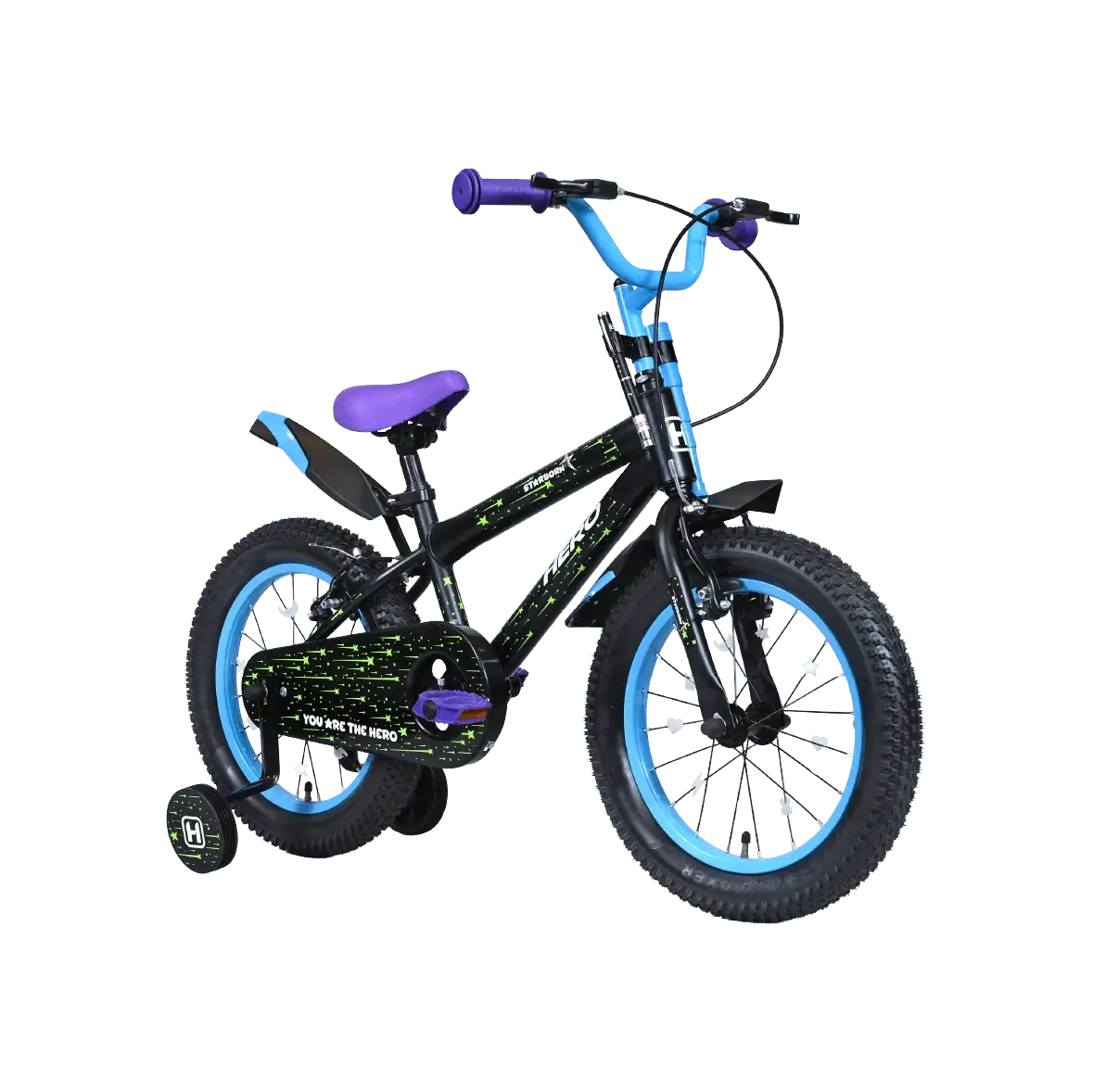
Buying a first bicycle for your child should be exciting. For many parents it turns into hours of scrolling through listings, comparing wheel sizes, and wondering whether the cycle will still fit in six months. If you’ve ever felt stuck at the checkout page, you’re not alone.
The Problem: Too Many Choices, Too Little Clarity
Walk into any store, or open any shopping app, and you’ll find dozens of options in every colour. The trouble is that most listings talk about looks, not fit. A cycle that’s too big makes a child nervous and wobbly. One that’s too small gets outgrown in a few months. Either way, a poor choice can put a child off riding altogether.
Buying a kids cycle online adds another layer of uncertainty, because you can’t wheel the cycle outside and test it. That’s why knowing what to look for before you click “buy” matters so much.
Understanding Kids’ Cycles: The Basics
Before comparing models, it helps to understand how children’s cycles are built differently from adult bikes.
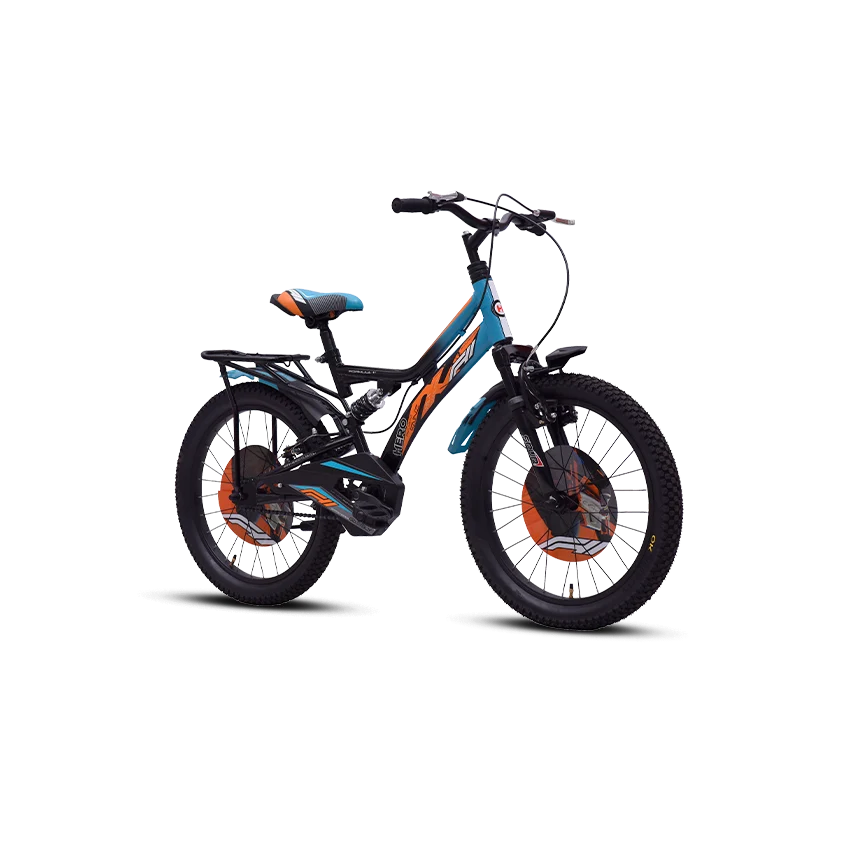
Wheel size is the main measurement. Children’s cycles are classified by wheel diameter, usually 12, 14, 16, 18, 20 and 24 inches. A smaller wheel means a lower frame and a lighter ride, which is exactly what a beginner needs.
Age is only a rough guide. A small kids cycle with 12 or 14-inch wheels typically suits children between 2 and 5 years old, but height and inseam matter more than birthdays. Two four-year-olds can need different sizes.
Key features for beginners:
- Training wheels: helpful for building confidence, though many children transition quickly.
- Brakes: coaster (pedal-back) brakes are simple for the youngest riders, while hand brakes help older kids build control.
- Weight: a heavy frame is hard to balance. A lighter cycle is easier to steer and pick up after a fall.
- Adjustable seat and handlebar: these extend the cycle’s useful life.
A Practical Selection Framework
Use this simple four-step check when choosing a small kids cycle:
Step 1: Measure the inseam. Have your child stand straight with shoes on and measure from the floor to the crotch. When seated, their toes should touch the ground, and the balls of their feet should reach it comfortably on a beginner cycle.
Step 2: Match inseam to wheel size.
- Inseam around 14–16 inches: 12-inch wheels
- Inseam around 16–18 inches: 14-inch wheels
- Inseam around 18–20 inches: 16-inch wheels
- Inseam around 20–24 inches: 18 to 20-inch wheels
Step 3: Check the skill level. A first-timer needs stability, so training wheels and a low frame are ideal. A child who has already used a balance bike can often skip training wheels.
Step 4: Plan for growth, but not too much. Choose a cycle with an adjustable seat, but don’t buy a size up “to grow into.” A cycle that’s too large is unsafe and harder to learn on.
Example: Putting It Into Practice
Imagine Meera is buying a cycle for her son Arjun, who is turning four. He’s 100 cm tall and has an inseam of about 17 inches. He has never ridden anything except a scooter.
Using the framework, Meera looks for 14-inch wheels. Because Arjun is a beginner, she picks a model with removable training wheels, a chain guard, and a coaster brake. She confirms the seat can be lowered enough for his feet to touch the ground. When she shops for a kids cycle online, she checks the product page for the frame’s seat height range rather than relying on the age label alone. Three months later, Arjun is riding with the training wheels off, and the seat has already been raised once.
Trust and Buying Guidance
Shopping online is convenient, but a few habits will protect you from disappointment:
- Read the specifications, not just the photos. Look for wheel size, frame weight, minimum seat height, and recommended height range.
- Check safety details. Look for a chain cover, no sharp edges, a sturdy kickstand, and reflectors.
- Review the return and warranty policy. If the size isn’t right, you should be able to exchange it easily.
- Read recent customer reviews. Pay attention to comments about assembly, durability, and how the cycle held up after a few months.
- Buy from established sellers. A recognised brand with clear after-sales support makes servicing and spare parts far easier.
- Plan for safety gear. A properly fitted helmet is not optional, and knee and elbow pads help beginners feel confident.
Once the cycle arrives, check that all bolts are tight, tyres are inflated, and brakes respond properly before your child’s first ride. If assembly seems tricky, a local bicycle mechanic can do it quickly.
Conclusion: Take the Pressure Off Your Next Purchase
Choosing a bicycle doesn’t need to be stressful. Measure your child, match the wheel size, prioritise stability and safety, and verify the details before ordering. The right small kids cycle can build coordination, independence, and a lifelong love of riding.
If you’d like to explore a trusted range, Hero Cycles offers a wide selection of children’s models designed for different ages and skill levels. Browse the options at your own pace, compare sizes with your child’s measurements, and see which one fits best when you buy a kids cycle online. Your child’s first ride is a memory worth getting right.
