

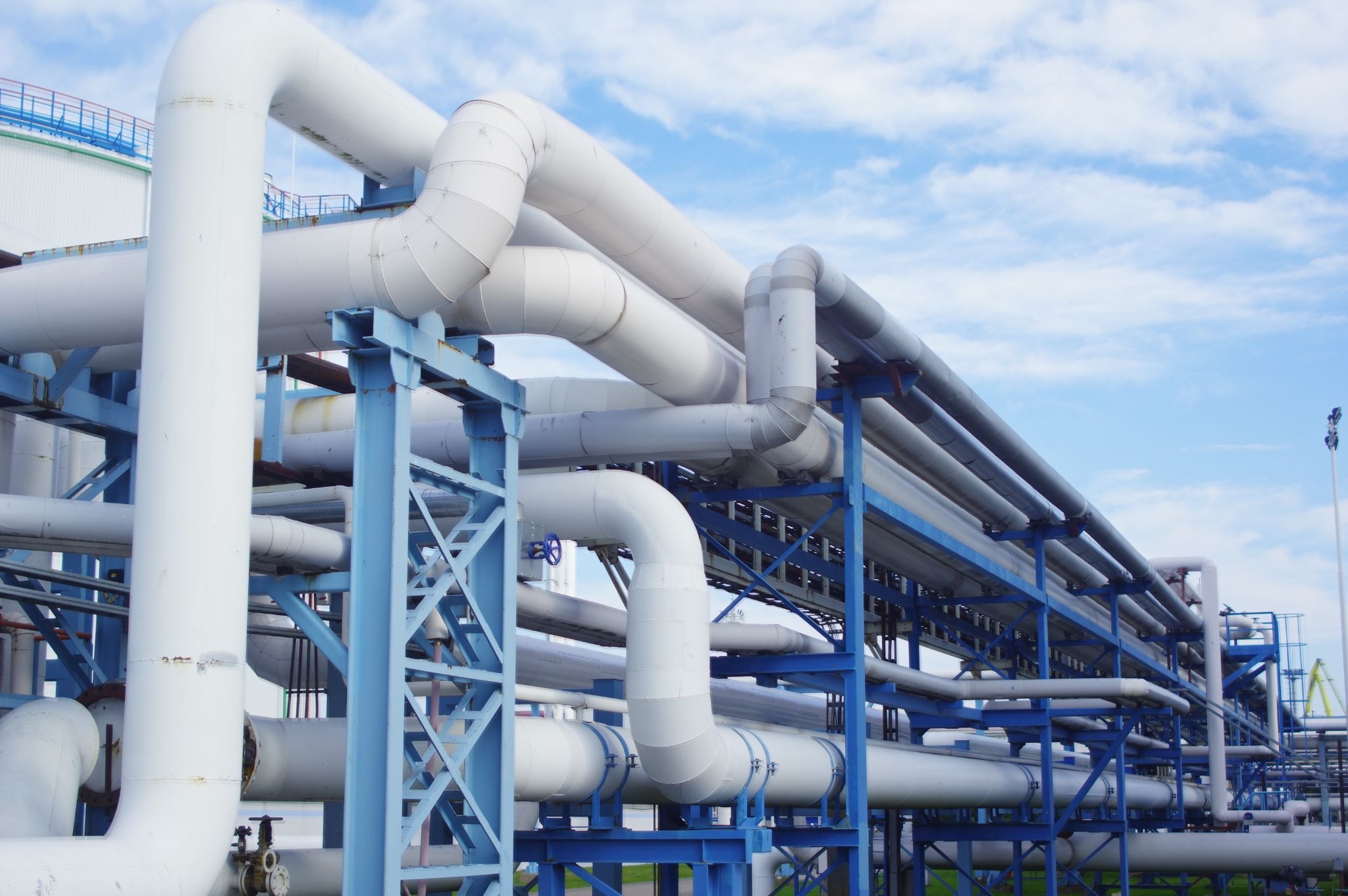
A water utility manager once observed, “You can’t manage what you can’t see.” As water networks become larger and more complex, having clear visibility into their performance is more important than ever.
A modern water network management system helps utilities monitor assets, detect issues earlier, and make better operational decisions. By bringing together network data and real-time insights, it supports more efficient and resilient water management.
What Is a Water Network Management System?
A water network management system is designed to help utilities monitor, analyse, and manage water distribution networks more effectively. It combines operational data, asset information, and network performance into a single view.
Rather than relying on reactive maintenance, utilities can use this information to identify trends, prioritise actions, and improve day-to-day operations.
Why Water Network Visibility Matters
Water utilities face increasing pressure from ageing infrastructure, population growth, and rising operational costs. Without accurate network data, identifying issues quickly can become a significant challenge.
Improved visibility helps utilities detect developing problems sooner, reduce unnecessary water loss, and make better-informed decisions. It also supports more efficient planning and resource allocation.
The Challenges of Managing Complex Water Networks
Modern water networks consist of thousands of interconnected assets spread across large geographical areas. Monitoring their condition manually can be both time-consuming and resource-intensive.
Hidden leaks, pressure fluctuations, and changing demand patterns can all affect network performance. Without continuous oversight, small issues can become larger operational challenges.
Moving Towards Data-Driven Network Management
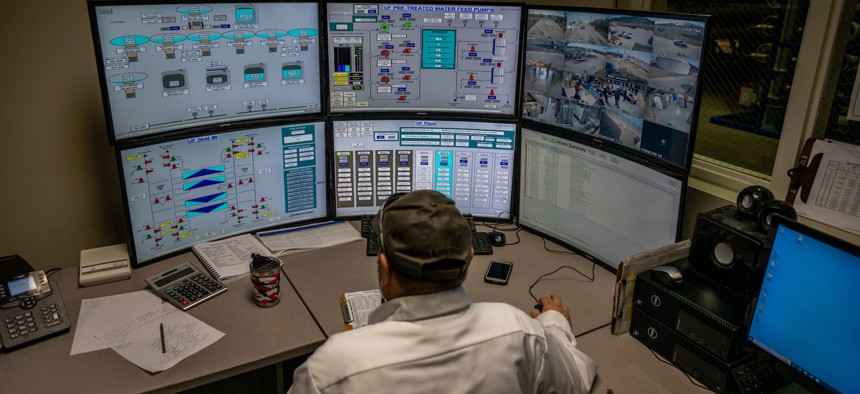
Many utilities are moving away from reactive maintenance and adopting a more proactive approach. Access to accurate, real-time information allows operators to respond before problems escalate.
By analysing network data, utilities can prioritise maintenance, improve operational planning, and reduce unnecessary disruption. This supports both short-term performance and long-term asset management.
Technologies Supporting Water Network Management
Today’s water network management system combines engineering knowledge with digital technologies to improve operational visibility.
Common technologies include:
- Real-time network monitoring
- Geographic Information Systems (GIS)
- Smart metering
- Pressure monitoring
- Hydraulic modelling
- Data analytics
- Asset performance monitoring
Together, these tools provide valuable insights that help utilities improve efficiency and optimise network performance.
The Benefits of a Modern Water Network Management System
A proactive approach to network management delivers benefits across the entire organisation. Better visibility allows utilities to make faster, more informed decisions while reducing operational risk.
Key benefits include:
- Improved operational efficiency
- Faster issue identification
- Better asset management
- Reduced water losses
- More effective maintenance planning
- Improved customer service
- Greater network resilience
These improvements help utilities deliver reliable water services while making better use of existing infrastructure.
Supporting Smarter Water Management
As the water sector continues to evolve, digital technologies are becoming increasingly important. A modern water network management system provides the information needed to support continuous improvement and long-term planning.
By combining operational data with proactive management strategies, utilities can improve performance while building more resilient and sustainable water networks.
Conclusion
As water networks become more complex, having accurate and timely operational insight is essential. A modern water network management system helps utilities improve visibility, optimise performance, and make more informed decisions for the future.
To learn more about how a water network management system supports smarter and more efficient water network operations, visit:https://www.crowderconsult.com/blog/water-network-management-system
