

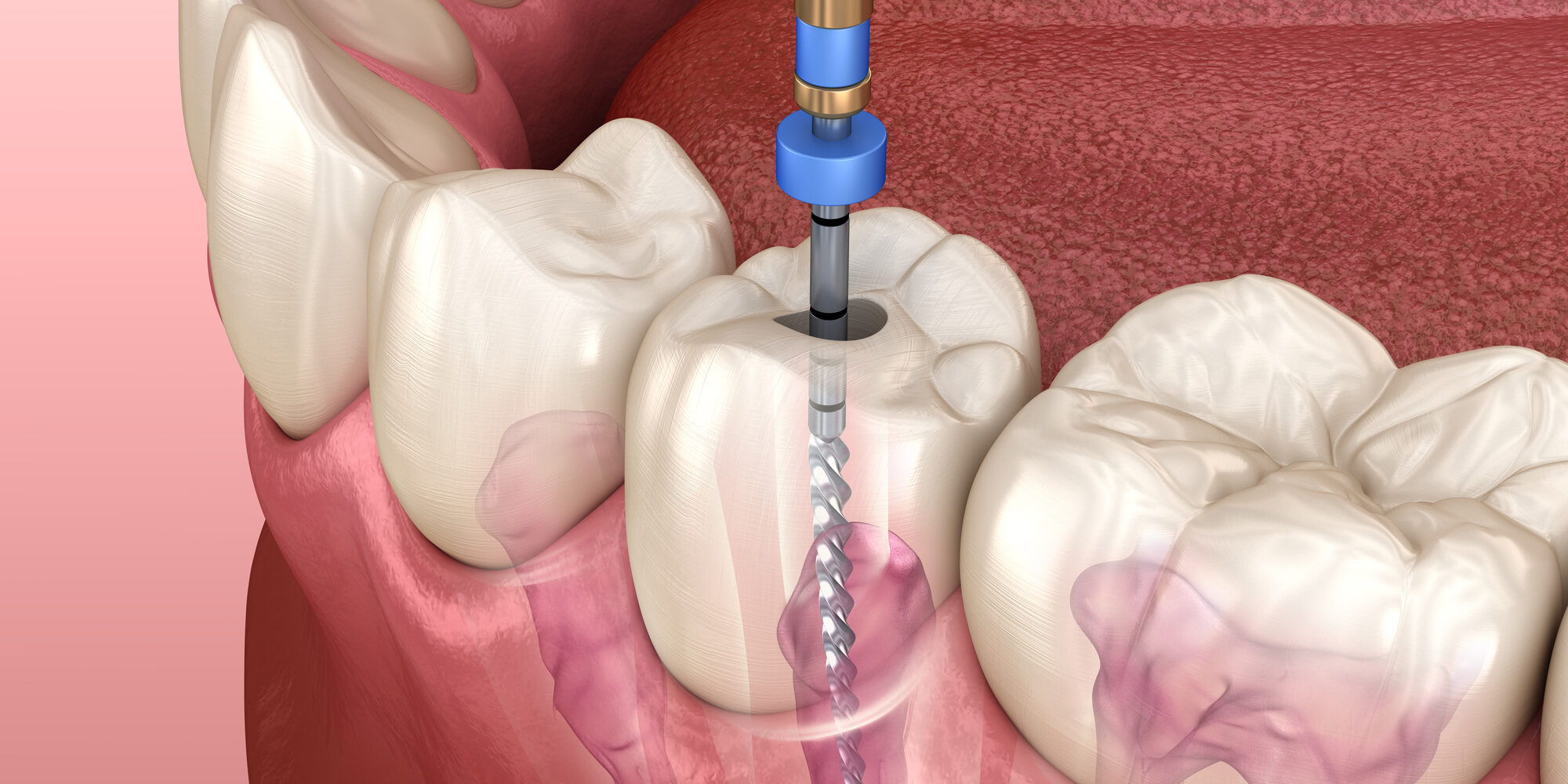
Tooth pain rarely goes away on its own. When decay or injury reaches the inner layer of a tooth, the result can be persistent discomfort, swelling, and a growing risk of infection. Root canal treatment addresses this problem directly, removing damaged tissue and allowing patients to keep their natural tooth rather than lose it.
For anyone researching root canals in Falls Church, understanding what the procedure involves can make the experience far less intimidating. Modern dental techniques have made root canal therapy more predictable and comfortable than many people expect. Knowing when treatment is necessary, what happens during the appointment, and how recovery works helps patients make informed decisions and seek care before complications develop.
What Is a Root Canal and When Is It Necessary?
A root canal is a dental procedure that removes infected or inflamed pulp—the soft tissue inside a tooth containing nerves and blood vessels. Once this tissue becomes compromised, it typically cannot heal on its own, making removal the most reliable way to protect the tooth.
Several situations commonly lead to the need for root canal therapy:
- Deep tooth decay that has reached the pulp
- Cracked or fractured teeth
- Dental injuries or trauma
- Persistent toothaches or sensitivity to temperature
- Swelling or infection around a tooth
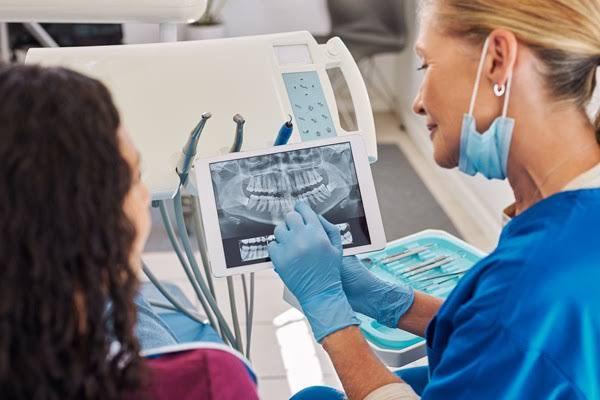
Dentists determine whether treatment is necessary by reviewing symptoms, examining the affected tooth, and often taking dental X-rays to assess the extent of damage. Catching these issues early matters. The longer an infection goes untreated, the more likely it is to spread, increasing both discomfort and the complexity of eventual treatment.
What Happens During a Root Canal Procedure?
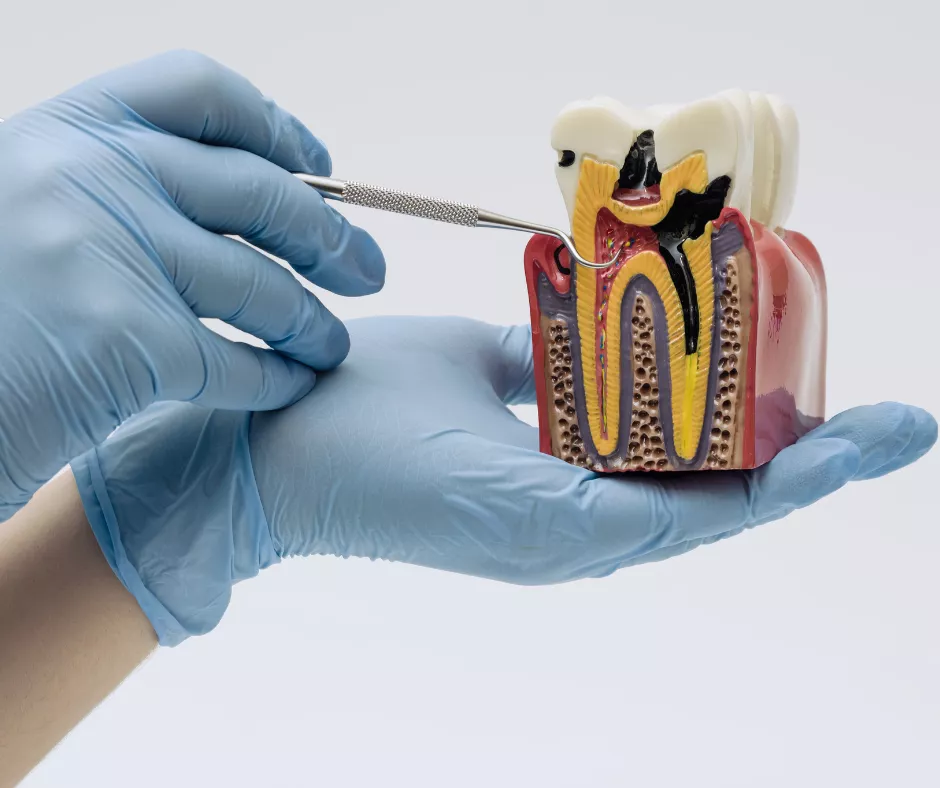
Patients considering treatment often want to know what the appointment actually involves. While details vary by case, most root canal procedures follow a consistent sequence.
Initial examination. The dentist evaluates the tooth, discusses symptoms, and reviews X-rays if needed to confirm the diagnosis.
Local anesthesia. The treatment area is numbed, which keeps the procedure comfortable throughout.
Removing infected pulp. The dentist creates a small opening in the tooth and carefully removes the infected or damaged pulp tissue.
Cleaning and disinfection. The root canals inside the tooth are cleaned, shaped, and disinfected to eliminate bacteria and prepare the space for filling.
Filling and sealing. Once cleaned, the canals are filled with a biocompatible material and sealed to prevent future infection.
Final restoration. Depending on the tooth’s condition, a filling or crown is often recommended to protect the tooth and restore its full function.
The number of appointments required depends on the severity of the infection and the specific tooth involved. Some cases resolve in a single visit, while others require follow-up care to complete the restoration.
Major Benefits of Getting a Root Canal Treatment
Root canal therapy is often recommended over extraction, and for good reason. Saving a natural tooth typically offers better long-term outcomes than removing it.
- Saves natural teeth. Treatment preserves the original tooth structure instead of requiring extraction.
- Relieves dental pain. Removing infected tissue addresses the source of discomfort, not just the symptoms.
- Restores chewing function. Once restored, the treated tooth can be used normally for everyday eating.
- Prevents infection progression. Eliminating infected tissue helps stop bacteria from spreading to surrounding teeth or tissue.
- Maintains natural appearance. A tooth-colored crown can restore the tooth’s look as well as its function.
Choosing timely treatment supports long-term oral health and can prevent more invasive procedures down the road.
Root Canal Recovery: What Patients Should Expect
Recovery from a root canal is generally straightforward, though understanding what to expect helps patients feel more prepared.
Mild tenderness or sensitivity around the treated tooth is common for a few days following the procedure. Following the dentist’s post-treatment instructions, including any guidance on medication and oral hygiene, supports a smoother healing process. Choosing softer foods during the initial recovery period—and avoiding anything hard, crunchy, or sticky—helps protect the tooth while it heals.
Patients should continue brushing and flossing gently around the treated area, and it’s important to schedule any follow-up appointment needed for a permanent filling or crown. While most recoveries proceed without issue, severe or worsening pain, swelling, or other persistent symptoms should be reported to the dentist promptly.
How to Choose the Right Dentist for Root Canals in Falls Church
Selecting the right dental provider plays a significant role in both comfort and outcomes. Patients should look for a practice that offers comprehensive examinations and clear, appropriate treatment recommendations rather than a one-size-fits-all approach.
Consider the dentist’s experience with root canal procedures, their communication style, the technology available in the office, and the comfort measures offered during treatment. It’s also worth asking about treatment options, the expected number of appointments, restoration requirements, and aftercare guidance before moving forward. A dental professional who prioritizes personalized care and long-term oral health will typically walk patients through each of these details before treatment begins.
Protect Your Smile With Timely Dental Care

Recognizing the signs that point to a root canal, understanding the procedure, and following proper recovery guidance all contribute to better long-term oral health. Persistent tooth pain or signs of infection shouldn’t be ignored. Scheduling a professional dental evaluation sooner rather than later can prevent complications and protect your smile for years to come.
About Nova Dental Studio
Nova Dental Studio is committed to helping patients maintain healthy, confident smiles through personalized dental care. With an emphasis on patient comfort, preventive dentistry, and comprehensive treatment solutions, the practice aims to make dental visits more approachable while helping individuals address their oral health needs.
