

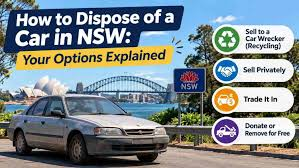
Getting rid of an old car sounds simple until you are actually doing it. There is paperwork to sort, personal items to clear out and a few legal steps that protect you after the car has gone. Skip them and you could end up with someone else’s toll notices or fines in your name. Whether you are selling, donating or scrapping, these are the steps worth ticking off before the car leaves your driveway.
1. Find Your Paperwork
Start by gathering the documents that prove the car is yours and help the buyer understand its history:
- Registration papers or the rego details from your Service NSW account
- Your driver licence or another form of photo ID
- Service logbook and receipts, if you have them
- Any finance payout letter if the car was ever under a loan
Buyers, including car removal companies, need to confirm you are the owner before they take a vehicle. Having this ready speeds everything up and avoids a second visit.
2. Check for Money Owing on the Car
If the car was bought with finance, there may still be a security interest registered against it. You can check this through a PPSR search, which also shows whether the car has been recorded as written off or stolen. A car with money owing cannot be legally sold until the debt is cleared, so sort this out early.
3. Clear Out Personal Belongings
It is surprising what turns up in an old car. Check every spot, not just the glovebox:
- Glovebox and centre console
- Under the seats and in the seat pockets
- Boot, spare wheel well and under the boot floor
- Sun visors and door pockets
Also remove anything with personal details on it, such as parking permits, old receipts with your address and garage door remotes. If the car has a built-in system that paired with your phone, delete your phone from it and clear any saved addresses in the navigation.
4. Remove Your E-Tag and Cancel Linked Accounts
This step gets missed all the time. If your toll tag stays in the car, any tolls the next owner runs up could be charged to your account. Take the tag out and update your toll account so the old plate is no longer linked to it.
Do the same for any parking or fuel apps that store the car’s registration.
5. Decide What to Do With the Plates and Rego
In NSW, what happens with the number plates and registration depends on how you are getting rid of the car. If you are selling a registered car, the registration normally transfers to the buyer. If the car is going to be scrapped or wrecked, the plates are usually returned to Service NSW and the registration is cancelled, and you may be eligible for a refund of unused rego.
Check with whoever is taking the car how they handle plates, so nothing is left in limbo.
6. Lodge a Notice of Disposal
Once the car has gone, submit a notice of disposal with Service NSW. This officially records that you are no longer responsible for the vehicle from that date. It is your protection against speeding fines, parking tickets or tolls incurred after the sale. It is quick to do online and is one of the most important steps on this list.
7. Cancel or Adjust Your Insurance
Contact your insurer after the car has been handed over, not before. Cancelling early can leave you uncovered if something goes wrong in the days before pickup. Your CTP green slip is tied to the registration, so it is dealt with when the rego is transferred or cancelled, but your comprehensive or third-party property policy needs to be cancelled separately. You may get a partial refund on the unused portion.
8. Choose the Right Way to Let It Go
How you get rid of the car depends on its condition:
- Good, roadworthy car: a private sale usually gets the best price.
- Older car with minor issues: a trade-in or a dealer that buys cars outright can be easier.
- Damaged, unregistered, or not running: a car removal or scrap buyer is often the simplest option, as they pay for the car as it is and handle the towing.
For Sydney drivers in that last group, https://www.scrapcarsremoval.com.au/ is one option that buys unwanted vehicles in any condition and collects them for free. Wherever you go, get a quote upfront and make sure it is confirmed before the tow truck arrives.
Remember that in NSW, scrap metal dealers cannot pay cash for vehicles. Since 1 March 2017, payment for scrap cars must be made by bank transfer or cheque, which also gives you a clear record of the sale.
9. Keep a Record of the Handover
Finally, keep proof of what happened. A simple record should include:
- The date and time the car was collected
- The buyer’s name or business name and contact details
- The sale price and payment confirmation
- A copy of your notice of disposal
Snap a photo of the odometer and the car itself on the day it leaves. If any dispute or fine comes up later, this paper trail settles it quickly.
Final Word
Getting rid of an old car is mostly about tying up loose ends. Clear out the car, protect your accounts, lodge the notice of disposal and keep your records. Take an hour to work through this list and you can hand over the keys knowing the car, and everything attached to it, is no longer your responsibility.
