

The time between a breast cancer diagnosis and surgery can feel like a blur. A little preparation can help you feel more in control, and make the days after your operation easier.
Caught Between Diagnosis and Surgery
A few weeks ago, life was normal. Then came the scan, the biopsy and the conversation you’ll never forget. Now there’s a date on the calendar for breast cancer surgery, and a long list of thoughts racing through your mind.
What do I need to do before the operation? Who will look after the kids? What should I pack? How will I feel afterwards? What questions have I forgotten to ask?
The weeks before surgery can feel overwhelming, but they’re also an opportunity. Preparing your body, your home and your mind can help you go into the operating theatre feeling calmer, and make recovery smoother when you come out.
Understanding Your Operation
The first step in preparing is knowing exactly what surgery you’re having. Breast cancer surgery usually involves two parts: treating the breast and checking the lymph nodes.
Surgery on the breast
- Breast-conserving surgery (lumpectomy or wide local excision) – removes the tumour along with a margin of healthy tissue, keeping the rest of the breast. It’s usually followed by radiotherapy
- Mastectomy – removes the whole breast. This may be recommended for larger tumours, cancer in several areas of the breast, or when breast-conserving surgery isn’t suitable
- Breast reconstruction – may be done at the same time as a mastectomy or later
Surgery on the lymph nodes
- Sentinel lymph node biopsy – removes the first few lymph nodes that the cancer would drain to, to check whether it has spread
- Axillary clearance – removes more lymph nodes from the armpit if cancer has spread to them
Ask your surgeon to explain which procedures you’re having, where the scars will be and how long you’re likely to stay in hospital.
Questions to Ask Your Surgical Team
Write these down and bring them to your pre-operative appointment:
- What exactly will be removed?
- Will I need a drain, and for how long?
- How long will I stay in hospital?
- When will I get my pathology results?
- Will I need other treatment after surgery, such as radiotherapy or chemotherapy?
- Is breast reconstruction an option for me, and when?
- When can I return to work, drive and exercise?
- What should I watch out for after surgery?
Preparing Your Body
Pre-operative tests
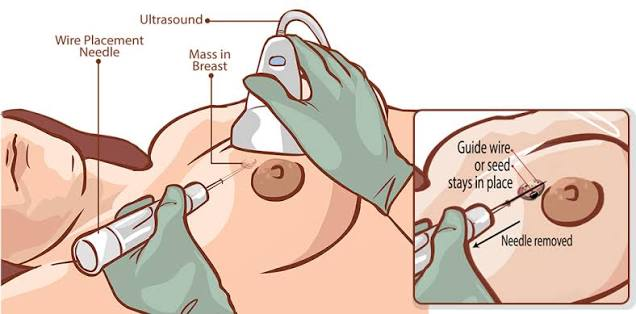
You’ll usually have some checks before surgery, such as blood tests, an ECG and sometimes a chest X-ray, to make sure you’re fit for anaesthesia. Sometimes extra imaging or a procedure to mark the tumour’s location is also needed.
Medications
Give your team a complete list of everything you take, including supplements and traditional remedies. Some, such as blood thinners and certain herbal supplements, may need to be paused before surgery. Never stop a prescribed medicine without checking with your doctor first.
Stay active
Gentle exercise, such as daily walks, can help keep you fit and positive before surgery. It may also help your recovery.
Eat well
A balanced diet with enough protein helps your body heal. You don’t need a special diet; just aim for regular, nourishing meals.
Stop smoking
If you smoke, stopping before surgery reduces the risk of wound problems and chest infections. Ask your doctor for support.
Practise arm exercises
If you’ll be having lymph node surgery, ask your team about shoulder and arm exercises. Learning them beforehand makes it easier to start them after the operation.
Preparing Your Home
You’ll probably have limited arm movement on the operated side for a while. A few changes can make life easier:
- Move everyday items, such as cups, plates and toiletries, to waist or shoulder height
- Prepare and freeze some meals in advance
- Set up a comfortable resting spot with pillows to support your arm
- Have loose, front-opening tops ready, as pulling clothes over your head may be difficult
- Arrange help with heavy chores, such as laundry, grocery shopping and lifting children
What to pack for hospital
- Loose, front-opening tops and comfortable trousers
- A soft, non-wired bra or front-fastening bra, if advised by your team
- A small pillow to cushion your arm or seatbelt on the ride home
- Toiletries, a phone charger and something to pass the time
- Your list of medications and any documents your hospital requires
Preparing for the Practicalities
Work
Talk to your employer about time off. Recovery time varies, but many people need a few weeks off after breast cancer surgery, depending on the type of operation and their job.
Family
If you have children or elderly parents, arrange care in advance. Let family and friends know how they can help, whether that’s driving you to appointments or bringing meals.
Finances and insurance
Check your insurance coverage and ask the clinic for a cost estimate. In Singapore, breast cancer surgery may be claimable under MediSave and Integrated Shield plans, subject to their terms and limits. Many clinics can help with insurance paperwork.
Preparing Your Mind
It’s completely normal to feel anxious, scared, sad or even numb before breast cancer surgery. Some ways to cope:
- Talk about it – with your partner, family, friends or a counsellor
- Ask questions – uncertainty fuels anxiety; understanding your treatment can help
- Connect with others – support groups and patient networks can be a great source of comfort
- Take care of yourself – rest, do things you enjoy and be kind to yourself
- Consider body image – if you’re having a mastectomy, it may help to explore options such as breast reconstruction or a prosthesis before surgery
On the Day of Surgery
- Follow your fasting instructions carefully
- Take only the medications your team has told you to take
- Remove jewellery, nail polish and make-up
- Arrive on time, with a family member or friend if possible
- Bring your list of questions; there’s still time to ask
A Quick Look at Recovery
Recovery varies, but many people go home within a day or two after breast cancer surgery. You may have a drain in place for a short time. Gentle arm exercises are usually started soon after surgery to prevent stiffness.
Your pathology results will help your team decide whether further treatment, such as radiotherapy, chemotherapy or hormone therapy, is needed.
You Don’t Have to Do This Alone
Preparing for breast cancer surgery is about more than the operation. It’s about looking after your whole self, body and mind. Lean on your medical team, your loved ones and your community, and take it one step at a time.
Consult a breast surgeon to discuss your breast cancer surgery options and how best to prepare.
The guidance in this article is general and may differ from the instructions your own surgical team gives you. Always follow the advice of the doctors treating you.
