

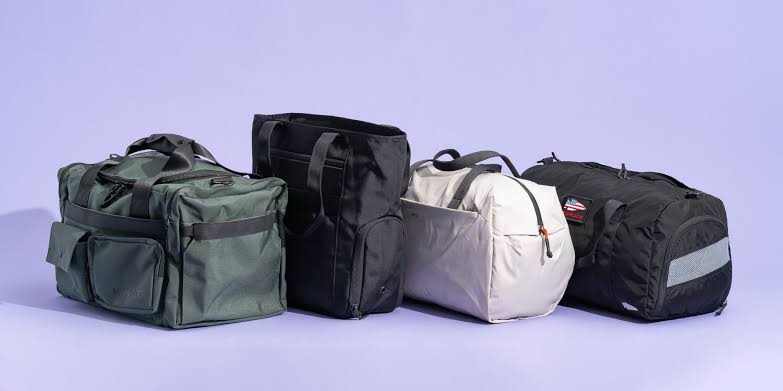
A gym bag can make the difference between a rushed workout and an organized session. Choosing a bag, however, involves more than color or appearance.
A sports bag for women should suit the activities you actually do, whether you head to the gym before work, attend a fitness class, or carry equipment for outdoor exercise. Instead of choosing the first attractive option, consider how you will use it and what you need to carry.
1. Understand What a Sports Bag Needs to Do
A sports bag carries workout essentials in one manageable place. It may hold clothes, footwear, a towel, a water bottle, toiletries, and personal items. Compact designs can work for short gym visits, while larger styles may suit days that include work, commuting, or several activities.
Someone carrying a change of clothes and a bottle may need a compact design, while a person bringing shoes, accessories, and post-workout items may need more capacity. The best option fits regular needs without becoming unnecessarily bulky.
2. Check the Storage and Compartment Layout
Good storage makes it easier to find items and keep belongings organized. A roomy main compartment is useful, but separate pockets can be just as important. Picture how you would pack after a typical workout and check whether the layout accommodates your essentials without forcing everything together.
● Main compartment for clothing and towels
● Separate space for shoes, if needed
● Secure pocket for keys and a phone
● Easy-access section for a water bottle
● Small pockets for toiletries and accessories
Choose compartments you will use regularly instead of selecting a bag simply because it has many pockets. A layout that matches your habits can help you pack faster and keep frequently used items within reach. A sports bag for women should make organization easier, not add another task to your routine.
3. Compare Five Practical Features Before You Decide
Beyond storage, a bag’s details affect how well it fits everyday life. Review each feature in relation to your routine, the items you carry, and where you take the bag. A design that works for a short gym visit may be less convenient for commuting or moving between activities.
1. Overall Capacity
Check the bag’s dimensions against your usual kit. It should fit clothes, shoes, and essentials without forceful packing. Extra space helps when needed, but an oversized bag may be awkward when you carry only a few items.
2. Material and Construction
The outer material affects the bag’s feel, weight, and suitability for frequent use. Check stitching, seams, zippers, and attachment points, especially if you carry heavier items. Solid construction can make regular packing and carrying more convenient.
3. Carrying Comfort
Handles and shoulder straps affect how the bag feels on the way to the gym. If you walk or commute with your kit, choose a carrying style that feels manageable when loaded. Adjustable straps can help you adapt the fit to your preference.
4. Pocket Accessibility
Pockets are useful when you can reach them without unpacking the main compartment. Consider where you would keep your phone, keys, wallet, and small belongings. Closures should be easy to operate while keeping items secure during normal movement.
5. Cleaning and Care
Workout clothes and towels can bring moisture and odors into a bag. Check care instructions and whether the interior can be aired out easily. A design that is simple to maintain may be more practical for frequent training.
4. Choose Materials That Match Your Routine
Consider where you carry your bag and how much care you are willing to give it. Lightweight fabric may be convenient for daily trips, while a structured design may help the bag keep its shape when packed.
Do not assume a material is waterproof because it looks smooth or durable. Check the product description for information about water resistance, closures, and care requirements. For everyday use, also consider whether the bag dries quickly after airing and whether its finish suits your usual environment.
5. Consider Comfort, Fit, and Everyday Convenience
A bag should be manageable when it contains everything you need for training. Think about the distance you travel, whether you use public transport, and how often you lift it in and out of a vehicle or locker. Loaded weight matters just as much as empty weight.
● Comfortable handles or shoulder straps
● A size that fits your usual workout kit
● Pockets that are easy to reach
● Closures that open and shut smoothly
● A shape that is practical to store
Balance convenience with capacity. A bag that is too small can leave essentials behind, while one that is too large may be cumbersome during a commute. Focus on features that solve real problems instead of extras you are unlikely to use.
6. Make Your Final Choice Based on Your Needs
Before settling on a bag, compare options using the same checklist. Review dimensions, compartment layout, carrying style, materials, and care instructions. Read specifications carefully and make sure they answer your main questions.
Set a realistic budget before browsing. Decide which features are essential and which are optional, then compare bags that meet your requirements. A thoughtful choice should support your routine, feel comfortable to carry, and provide useful organization without unnecessary bulk. Prioritizing everyday usefulness helps you choose a bag you are likely to use regularly.
Conclusion
Choosing the right training bag starts with understanding what you carry and how you move through your day. Capacity, compartments, material, comfort, and easy care all influence whether a bag will be practical beyond its appearance. If you plan to buy waterproof gym backpack options, check product details carefully and confirm the level of water protection rather than assuming every backpack is fully waterproof.
If you are looking for fitness and workout accessories to complement your active lifestyle, PRO WOLF offers a range of fitness and strength-training gear suited to different training routines. Explore its collection to find practical equipment that fits your workout needs and preferences.
