

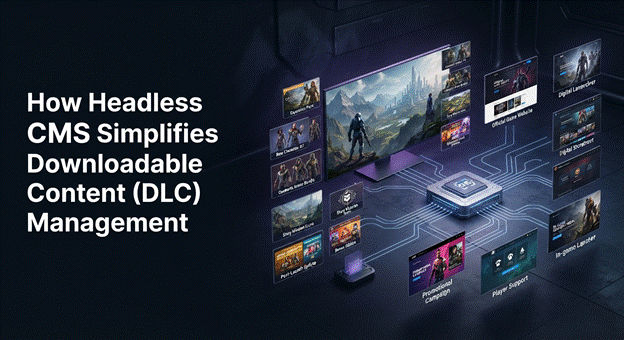
Downloadable content has become an important part of modern game publishing. DLC can include expansion packs, cosmetic bundles, new characters, maps, missions, story chapters, seasonal items, digital editions, bonus content, and post-launch feature additions. For players, DLC extends the life of a game and creates new reasons to return. For game studios and publishers, it creates an ongoing need to manage product information, visuals, store descriptions, platform details, localization, release schedules, promotional content, support resources, and player communication.
Managing DLC can become complex when content is spread across different tools, documents, storefronts, websites, launchers, and internal systems. A single DLC release may need to appear on official game pages, platform stores, in-game menus, newsletters, community posts, support portals, and regional campaigns. A headless CMS helps simplify DLC management by centralizing content and delivering it through APIs to every connected channel. This gives teams a more scalable way to keep DLC information accurate, consistent, localized, and ready for players.
Creating a Central Hub for DLC Information
A DLC release often includes many different pieces of information. Teams may need to manage the DLC title, description, release date, price messaging, platform availability, screenshots, trailers, character details, story summaries, content warnings, feature lists, support articles, and promotional copy. Find out more about how a centralized content management system can help organize these assets and ensure teams always work with the latest approved information. If all of this information lives in separate documents and folders, teams may struggle to know which version is current and approved.
A headless CMS creates a central hub where all DLC-related content can be managed in one structured system. Each DLC entry can include descriptions, visuals, related products, release timing, platform rules, localization status, and connected campaign assets. This gives publishing, marketing, localization, product, community, and support teams one shared source of truth. When DLC information changes, teams can update the central entry instead of correcting the same detail across many different channels manually.
Keeping DLC Details Consistent Across Channels
Players may discover DLC through many places, including in-game menus, official websites, platform stores, launchers, social campaigns, newsletters, and community hubs. If each channel describes the DLC differently, players may become confused about what is included, when it is available, or which version applies to their platform. Consistency is especially important when DLC includes multiple editions, bundles, or limited-time release content.
A headless CMS helps keep DLC information consistent by delivering content from one approved source. A full description can appear on the official website, while a shorter version can appear in a launcher or in-game store panel. The format may change, but the core information remains aligned. This reduces the risk of outdated descriptions or mismatched feature lists appearing across channels. Consistent DLC communication builds trust and helps players understand exactly what they are considering before they purchase or download.
Managing Platform-Specific DLC Requirements
DLC often needs to be distributed across several platforms, and each platform may have different requirements. Store descriptions, image sizes, video formats, release timing, edition details, compatibility notes, language support, and purchase links may vary between PC, console, mobile, and cloud environments. Managing all of these requirements manually can create delays and increase the chance of mistakes.
A headless CMS allows teams to structure platform-specific DLC information clearly. A DLC entry can include global content as well as platform-specific fields for store copy, asset versions, feature notes, availability rules, and related links. This helps teams adapt content for each platform without losing connection to the main DLC message. Platform teams can review the fields that matter to them, while global teams maintain control over the approved source content. This simplifies platform coordination and makes DLC launches easier to manage.
Supporting Faster DLC Launch Campaigns
DLC launches often require coordinated marketing campaigns. A studio may need teaser content, reveal pages, trailers, email announcements, landing pages, creator assets, community posts, launch reminders, and post-release updates. If campaign content is built manually for every channel, launch preparation can become slow and repetitive. Last-minute changes to visuals, dates, or descriptions can create extra pressure.
A headless CMS supports faster DLC campaigns by allowing teams to build campaigns from reusable content modules. Hero sections, trailer blocks, screenshot galleries, feature highlights, platform links, FAQs, and calls-to-action can all be managed centrally. When the DLC is ready, content can be delivered to websites, launchers, apps, and portals through APIs. This makes campaign execution faster and more consistent. Teams can focus on telling the DLC story clearly instead of rebuilding the same information across every touchpoint.
Organizing DLC Visual Assets More Efficiently
DLC promotion depends heavily on visual assets. Screenshots, trailers, key art, character renders, item previews, map images, thumbnails, and platform banners all help players understand what the DLC offers. If these assets are stored separately from the DLC content, teams may use outdated visuals, incorrect image sizes, or assets that do not match the final release.
A headless CMS can connect visual assets directly to DLC entries. Each image or video can include usage notes, approval status, captions, alt text, platform versions, and related campaign placements. A trailer can support the website, launcher, email campaign, and press hub from the same approved source. When visuals are updated, teams can replace or revise them centrally. This keeps DLC campaigns visually consistent and reduces time spent searching through folders for the right asset.
Improving Localization for Global DLC Releases
DLC often launches for global audiences, which means descriptions, store copy, feature lists, FAQs, subtitles, calls-to-action, and support content may need localization. Since DLC release schedules can be time-sensitive, localization workflows need to be clear and efficient. If translations are managed through disconnected files, teams may struggle to track which versions are complete, approved, or outdated after source content changes.
A headless CMS supports localization by connecting source DLC content with translated and regional versions. Localization teams can work on structured fields such as title, summary, feature text, platform notes, FAQs, and promotional copy. If the source content changes, teams can identify which language versions need review. This helps global players receive accurate DLC information in their own language. Better localization also allows regional marketing teams to adapt content while staying aligned with the official DLC message.
Connecting DLC With In-Game Stores and Menus
Players often discover DLC inside the game itself. An in-game store, expansion menu, news panel, or content hub may show available DLC, related bundles, featured items, or new story chapters. If in-game DLC content is disconnected from website or store content, players may see inconsistent descriptions or outdated availability information.
A headless CMS can deliver structured DLC content directly into in-game experiences through APIs. Short descriptions, images, release notes, purchase prompts, compatibility messages, and related content links can all be managed centrally and displayed inside the game. This keeps in-game communication aligned with external channels. Players can learn about new DLC without leaving the game, while teams maintain one content source across the website, launcher, store, and game client.
Managing DLC Bundles and Editions
DLC is often sold or presented in different formats, such as standalone expansions, deluxe editions, season passes, character packs, cosmetic bundles, or upgrade paths. These variations can become confusing if they are not explained clearly. Players need to understand what each bundle includes, what content overlaps, and which option best matches their needs.
A headless CMS helps teams manage bundles and editions through structured relationships. A DLC entry can be connected to related packs, base game editions, season passes, platform versions, and included items. This makes it easier to show accurate bundle details on product pages, store panels, comparison sections, and support articles. If a bundle changes, teams can update the structured relationship instead of rewriting several pages manually. Clear bundle communication reduces player confusion and supports better purchasing decisions.
Supporting DLC Release Schedules and Timed Visibility
DLC releases often include strict timing. A reveal may happen before release, pre-orders may open on one date, the content may launch on another, and promotional messages may expire later. Some DLC may also roll out by platform, region, or edition. Managing this manually across multiple channels increases the risk of content appearing too early or staying live too long.
A headless CMS can support scheduled publishing and visibility rules for DLC content. Teams can prepare reveal pages, banners, store messages, launch announcements, and post-release updates in advance. Each content module can have start dates, expiration dates, platform visibility, and regional rules. This helps teams coordinate release timing more accurately.
Players see DLC information when it is relevant, and internal teams reduce the stress of manual publishing during high-pressure launch windows.
Connecting DLC With Support and FAQ Content
DLC can create many player questions. Players may want to know how to access the content, whether it requires the base game, which platforms are supported, whether progress carries over, how bundles work, or where to find new missions or items. If support content is disconnected from DLC pages, players may struggle to find answers.
A headless CMS helps connect DLC content with support articles and FAQs. A DLC entry can link to installation guidance, platform notes, access instructions, purchase questions, compatibility information, and troubleshooting resources. These links can appear on product pages, in-game menus, launchers, and support portals. When DLC details change, related support content can be reviewed and updated. This creates a smoother player experience because answers are available close to the point where questions appear.
Improving Collaboration Between Publishing Teams
DLC management involves many teams. Product teams define what is included, marketing teams create campaigns, creative teams prepare visuals, localization teams translate copy, community teams prepare announcements, platform teams manage store requirements, and support teams answer player questions. Without a shared system, coordination can become complicated and slow.
A headless CMS improves collaboration by giving teams a shared workspace for DLC content. Each entry can include draft status, approval workflows, attached assets, localization progress, platform notes, and publishing schedules. Teams can review and update the same content instead of passing separate documents back and forth. This improves visibility and reduces last-minute confusion. Better collaboration helps DLC launches feel more organized and allows teams to deliver clearer communication to players.
Reducing Developer Dependency for DLC Content Updates
DLC content often needs updates before and after launch. Teams may need to revise descriptions, replace screenshots, update platform links, adjust FAQs, add localized content, or change promotional messages. If every update requires developer support, content changes become slower and harder to manage. Developers may already be focused on technical release tasks, making routine content updates a bottleneck.
A headless CMS reduces developer dependency by giving approved content teams more control over DLC information. Developers build the front-end components and API integrations, while content teams manage the structured entries. This allows updates to happen faster without changing the game or website code for every content adjustment. Developers remain important for the technical foundation, but day-to-day DLC content management becomes more efficient. This helps teams respond quickly during launch and post-launch periods.
Conclusion
Headless CMS simplifies downloadable content management by giving game studios and publishers a structured, centralized, and scalable way to manage DLC information across channels. DLC releases involve many moving parts, including product descriptions, visuals, platform requirements, localization, bundles, release schedules, support content, campaign pages, and in-game communication. Without a central system, teams can face duplicated work, inconsistent messaging, outdated assets, and slow updates.
With a headless CMS, DLC content can be managed once and delivered through APIs to websites, stores, launchers, apps, player portals, and in-game experiences. Teams can update content faster, support localization, manage platform-specific requirements, connect support resources, improve discoverability, and track performance more effectively. Players benefit from clearer information and more reliable experiences, while internal teams benefit from smoother
workflows and stronger coordination. As DLC continues to play a major role in post-launch game strategy, headless CMS architecture gives studios the foundation needed to manage it with speed, accuracy, and confidence.
