

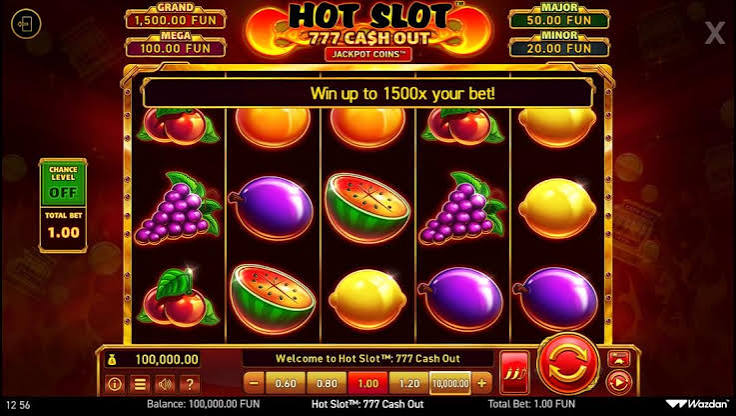
A mobile slot catalogue does more than display games. It shapes how readers discover titles, interpret bonus features and decide which claims deserve attention. Numerical names, bold multiplier badges and animated thumbnails are easy to recognize on a small screen. Yet recognition says little about a game’s mathematical design. Indonesian gaming searches regularly combine short titles with maximum-win promises, making it useful to examine how catalogues organize information and where their descriptions become promotional rather than educational. A thoughtful comparison starts with documented game rules instead of treating the most dramatic number as the most important fact.
Why Catalogue Design Shapes First Impressions
Most phone screens show only a few game cards at a time. Developers therefore use prominent images, short names and compact badges to help visitors browse quickly. That design is understandable, but it compresses important details such as paytables, bonus conditions and data sources. A useful catalogue allows a reader to open a clear description before encountering a registration request or unrelated promotion. When the full rules are hidden, a visually attractive thumbnail becomes a poor substitute for information.
Filters can improve discovery when their categories are specific. A filter for classic reels or cascading symbols identifies a recognizable format. A filter promising unusually favorable payouts, by contrast, needs an explanation of how the claim was evaluated. Without disclosed criteria, a badge may represent advertising rather than independent research.
The Appeal of Numerical Game Names
Short names containing repeated numbers are easy to remember and fit comfortably in small interface cards. A reader searching for slot777 may want information about a specific title, a reference mentioned on social media or a comparison of similarly named products. Those intentions differ. A name alone does not establish the developer, the rules or the ownership of a linked website, so a useful article should distinguish confirmed details from assumptions.
Similar names can appear across unrelated businesses. That makes it important to identify the exact game version before claiming two products have matching features. The safest editorial approach is to compare verified paytables, interfaces and documentation rather than invent a relationship based on branding.
Why Similar Names May Hide Different Mechanics
Two games can sound alike while relying on different ways of evaluating combinations. One may use fixed paylines, another may award cluster-based results and a third may use cascading symbols. The differences affect how a reader should interpret each paytable. A catalogue that sorts titles only by name can conceal these important distinctions.
Game Cards Should Explain Bonus Features
Free spins, multipliers and special symbols are common attractions in online gaming catalogues. Their presence alone reveals little about the value of a result. A multiplier might apply only during a bonus round or to particular symbols, while a free-spin feature may use different reels from ordinary play. A well-written description explains what activates each feature and which rules govern it.
On a smartphone, these explanations should remain accessible without requiring a download or account creation. An information icon can help, but only when its purpose is obvious and the text remains readable on a narrow display. Accessibility and transparency are genuine quality signals even though they do not guarantee financial outcomes.
How Maximum-Win Claims Work
Maximum win usually describes the highest result permitted under a specified game’s rules, often expressed as a multiple of the stake. It is a ceiling, not a typical outcome. An advertised maximum says nothing by itself about how often the required conditions occur. A comparison that ranks games solely by their largest possible award omits essential information about volatility, RTP and bonus structure.
A game with a very high ceiling may distribute outcomes unevenly. Another might feature smaller maximum values and a different pattern of results. Neither description supplies a dependable strategy for an individual session. Readers should treat spectacular marketing figures as claims requiring context, not as projections of personal income.
Comparing Slot Maxwin Articles With Published Rules
Online roundups focused on slot maxwin frequently emphasize top multipliers, but a useful comparison needs more than the headline figure. It should identify the game, explain whether the maximum applies to a bonus feature and show where its claim originated. A reader should be able to distinguish documented rules from anecdotes and affiliate recommendations. Without that distinction, a catalogue can turn an exceptional mathematical possibility into an unrealistic expectation.
Discussions about slot maxwin also benefit from examples of what the label does not mean. A dramatic screenshot cannot establish the frequency of an outcome, and a short series of rounds cannot verify a long-run percentage. An editorial comparison is stronger when it explains these limits directly.
RTP and Volatility Serve Different Purposes
Return to Player, or RTP, describes a theoretical long-run percentage associated with the game’s model under stated conditions. Volatility describes how unevenly outcomes may be distributed. Two games can have similar RTP figures but very different experiences over short sessions. The maximum possible result is another separate measure. Combining all three into one vague score confuses readers rather than helping them compare games.
A credible publisher names the relevant game version and source when quoting a percentage. If a number comes from a promotional post without documentation, that limitation should be visible. No mathematical summary can predict what a particular person will receive in the next round.
Older Smartphones and Game Library Performance
A catalogue containing hundreds of animated thumbnails can load slowly on older devices. Image sizes, background scripts and caching behavior affect performance. Helpful design choices include straightforward navigation, readable text and progressive loading of visual assets. Those features can be tested independently of any game’s payout mathematics. Faster pages improve usability without changing the underlying probabilities of chance-based outcomes.
Recognizing Promotional Versus Editorial Rankings
Not every list is independent research. Some catalogues earn revenue from referrals or highlight products through paid placement. Those relationships can influence which titles appear first. A strong article describes the selection criteria and discloses sponsorship when relevant. Users should also inspect where buttons lead; a familiar label cannot authenticate a destination, and an unexpected redirect deserves caution.
For Indonesian audiences, this distinction exists alongside local restrictions. Online gambling is prohibited in Indonesia. A foreign domain appearing in search does not make participation lawful, and a game catalogue should not suggest otherwise.
Frequently Asked Questions
Does a numerical game name identify an official operator?
No. Operator identity and authorization must be confirmed independently of a name.
Is the largest advertised multiplier always the best choice?
No. A maximum figure does not reveal how often an outcome occurs or the likely experience of an individual session.
Can RTP predict a particular round?
No. RTP is a theoretical long-run measure, not a personal forecast.
Why do catalogue filters matter?
Clearly defined filters help readers distinguish actual game features from unsupported marketing labels.
Conclusion: Read the Rules Behind the Name
Mobile slot catalogues can make complex game libraries easier to navigate, but numbers and bonus badges should not replace documented descriptions. Useful reviews compare reel mechanics, feature conditions, mathematical definitions and the quality of the mobile interface. For Indonesian readers, legal and financial context is also essential. The strongest gaming article explains what can be verified instead of promising that a memorable title leads to extraordinary results.
