

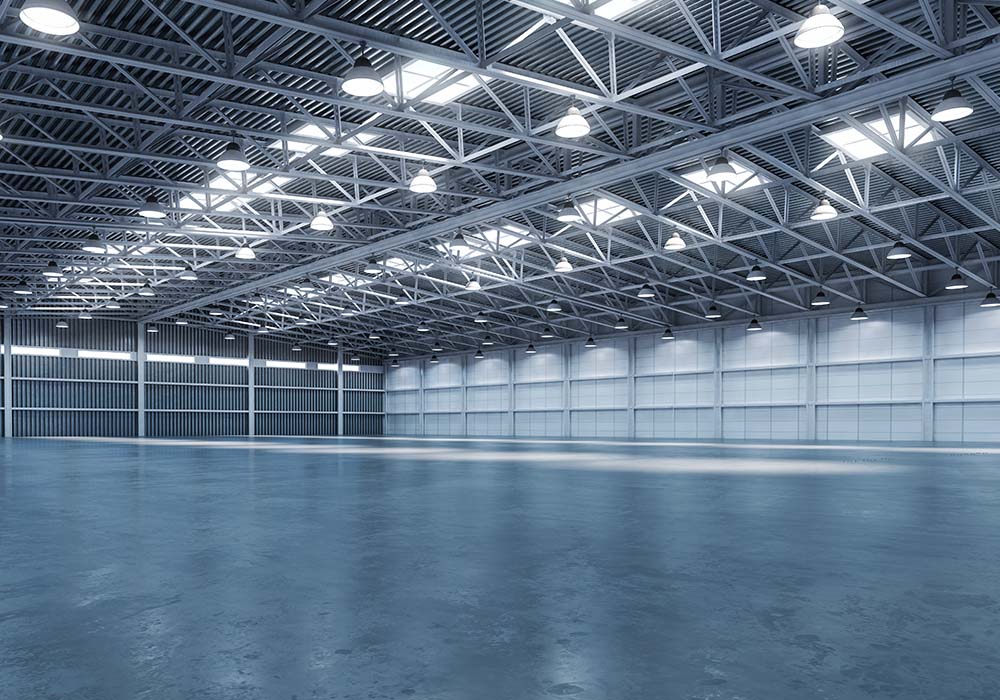
Warehouses are vital in the supply chain management of diverse industries, playing a pivotal role in their operations. These structures serve as the backbone of distribution and storage operations, making it imperative for organizations to understand the factors influencing their construction costs. This article delves deep into the key components contributing to the cost of warehouse buildings.
Structural Design and Materials
The selection of construction materials and the architectural design are pivotal elements that substantially influence the overall cost of a warehouse. Due to its strength, durability, and versatility, steel is a popular warehouse construction choice. Steel frames provide the necessary stability and can be customized to accommodate various building sizes and layouts. The cost of steel can fluctuate based on market conditions, making it essential for businesses to consider timing their projects to take advantage of favourable pricing. Moreover, the complexity of the warehouse’s design, including its size, height, and special features like mezzanines or office spaces, will influence material requirements and, consequently, costs.
Site Preparation and Foundation
The warehouse construction costs are significantly influenced by the site’s location and its condition. Preparing the site, including excavation, grading, and addressing soil issues, is an essential initial step. The foundation type, such as a slab-on-grade or deep foundation, also impacts costs. The choice depends on soil conditions, load-bearing requirements, and local building codes.
Permitting and Regulatory Compliance
Securing the required permits and diligently adhering to local building codes and regulations are critical yet frequently underestimated aspects of warehouse construction. These obligations are necessary to avoid expensive project delays or, in severe cases, complete project halts. The cost of permitting varies widely based on location and the project’s complexity. Businesses should budget for these expenses and allocate resources for timely approvals.
Roofing and Insulation
The roofing system is another vital consideration in warehouse construction. A well-designed and insulated roof helps regulate indoor temperature and lighting, reducing long-term operational costs. Various roofing materials, such as metal panels, TPO membranes, or asphalt shingles, are available, each with cost implications. Proper insulation is essential for climate-controlled warehouses or those storing temperature-sensitive goods. The type and thickness of insulation required depend on regional climate conditions and the intended use of the warehouse. Quality insulation can lead to substantial energy savings in the long run.
Doors, Windows, and Ventilation
Warehouse access points, like loading dock doors and pedestrian entryways, must be carefully chosen to optimize efficiency while minimizing costs. High-quality insulated doors are crucial for climate control and security. Strategically placed windows and skylights are efficient alternatives to artificial lighting during daylight hours, pivotal in conserving energy resources. Ventilation systems, including exhaust fans or HVAC systems, may be necessary depending on the warehouse’s function and location. These systems impact not only construction costs but also ongoing operational expenses.
Electrical and Lighting
Electrical requirements and lighting design are essential components of warehouse construction. Properly planned electrical systems ensure the safe operation of machinery and equipment. Efficient lighting systems, such as LED fixtures, reduce energy consumption and improve visibility and safety within the warehouse. Businesses should consider automation and energy management systems to optimize lighting usage, reducing long-term operational expenses.
Security and Fire Protection
Warehouse security and fire protection measures are paramount to safeguarding valuable assets and employee safety. The construction budget should include costs associated with security systems, surveillance cameras, access control, and fire suppression systems. Compliance with local fire safety codes is non-negotiable and may require additional investments in fire-resistant materials and sprinkler systems.
Construction Labor and Project Management
The cost of labour and project management services is a significant portion of warehouse expenses. Hiring experienced contractors and project managers is essential to make sure the project stays on schedule and within budget. Labour costs can vary based on location and the availability of skilled workers, so businesses should research and plan accordingly.
Contingency and Unexpected Costs
Lastly, prudent budgeting should include a contingency fund to address unforeseen circumstances, such as weather-related delays, supply chain disruptions, or unexpected changes in project scope. Having a financial buffer is crucial to prevent budget overruns and project disruptions.
Conclusion
Understanding the various factors influencing the cost of warehouse buildings is crucial for businesses looking to optimize their supply chain operations. Each element is pivotal in determining the overall cost, from structural design and materials to site preparation, permitting, and ongoing operational considerations. Careful planning, adherence to regulations, and strategic decision-making can help businesses minimize costs while maximizing the functionality and efficiency of their buildings.


