

Plastic molding plays a vital role in the medical industry, providing a versatile and efficient means of manufacturing various components and devices used in healthcare settings. From intricate surgical instruments to durable medical equipment, different molding processes cater to the diverse needs of medical professionals and patients. Let’s delve into the world of medical plastic molding processes and explore the various types available.
Injection Molding
What is Injection Molding?
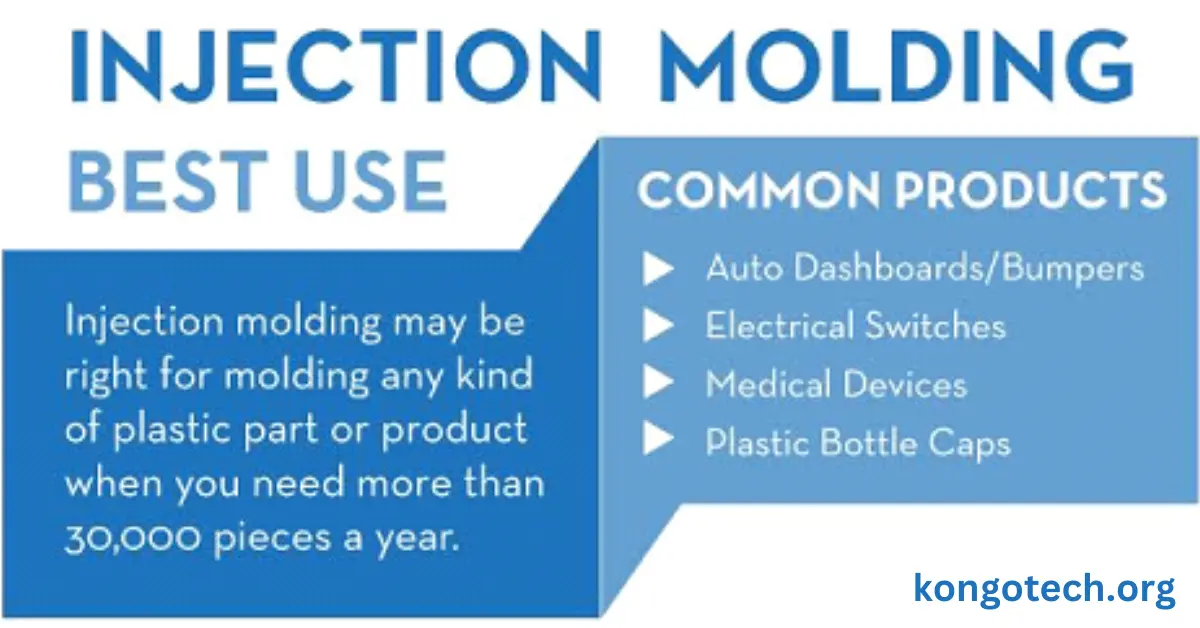
Medical Plastic Injection Molding is a widely used manufacturing process that involves injecting molten material into a mold cavity. Once the material solidifies, it takes the shape of the mold, resulting in the production of precise and complex components.
Benefits and Applications in the Medical Field
Injection molding offers several advantages, including high production efficiency, consistency in part quality, and the ability to produce intricate designs with tight tolerances. In the medical field, this process is extensively utilized for manufacturing syringes, vials, catheters, and other disposable medical devices.
Blow Molding
Overview of Blow Molding Technique
Blow molding is a manufacturing process that involves inflating a heated plastic tube (parison) inside a mold cavity to form hollow shapes. This technique is commonly used for producing containers, bottles, and other hollow medical products.
Applications in Medical Device Manufacturing
Blow molding is favored for its cost-effectiveness and ability to produce lightweight, durable, and sterile medical products. Medical items such as IV bags, infusion bottles, and respiratory equipment components are often manufactured using blow molding technology.
Compression Molding
Description of Compression Molding Process
Compression molding is a molding process in which a heated polymer is placed into an open, heated mold cavity and then compressed to form the desired shape. This method is suitable for producing large, intricate parts with high strength and dimensional accuracy.
Advantages and Applications in Medical Sector
Compression molding offers advantages such as reduced material waste, excellent surface finish, and the ability to mold reinforced plastics. In the medical sector, compression molding is utilized for manufacturing orthopedic implants, dental products, and surgical instrument handles.
Transfer Molding
Explanation of Transfer Molding Method
Transfer molding is a hybrid process that combines elements of compression molding and injection molding. It involves forcing a preheated polymer through a sprue into a closed mold cavity, where it is compressed to take the shape of the mold.
Its Significance in Medical Plastic Manufacturing
Transfer molding is preferred for its ability to produce intricate shapes with precise details and minimal flash. In the medical industry, this process is commonly used for manufacturing medical connectors, seals, and encapsulated electronics.
Rotational Molding
Introduction to Rotational Molding Process
Rotational molding, also known as rotomolding, is a manufacturing process that involves heating and rotating a hollow mold filled with powdered plastic. The rotation distributes the material evenly, resulting in a uniform wall thickness in the final product.
Relevance in Producing Medical Components
Rotational molding is suitable for producing large, hollow medical components such as tanks, containers, and prosthetic devices. Its advantages include design flexibility, low tooling costs, and the ability to produce complex shapes without seams or joints.
Thermoforming
Overview of Thermoforming Technique
Thermoforming is a manufacturing process that involves heating a thermoplastic sheet until it becomes pliable, then forming it into a specific shape using a mold and vacuum or pressure.
Applications in Medical Packaging and Products
Thermoforming is widely used in the medical industry for manufacturing packaging trays, blister packs, and disposable medical devices. Its advantages include cost-effectiveness, versatility, and the ability to produce custom-designed products with varying thicknesses.
Conclusion
In conclusion, the medical industry relies on a variety of Medical plastic Injection Molding processes to produce a wide range of components and devices essential for healthcare delivery. Each molding technique offers unique advantages and applications, allowing manufacturers to meet the diverse needs of medical professionals and patients alike.
FAQs (Frequently Asked Questions)
- Which medical plastic molding process is most suitable for producing intricate components? Injection molding is often preferred for its ability to produce complex designs with tight tolerances.
- What are the advantages of blow molding in medical device manufacturing? Blow molding offers benefits such as cost-effectiveness, lightweight products, and the ability to produce sterile containers.
- How does compression molding differ from injection molding? Compression molding involves placing heated polymer into an open mold cavity and compressing it, whereas injection molding injects molten material into a closed mold cavity.
- What types of medical products can be manufactured using rotational molding? Rotational molding is suitable for producing large, hollow components such as tanks, containers, and prosthetic devices.
Why is thermoforming commonly used in medical packaging? Thermoforming is preferred for medical packaging due to its cost-effectiveness, versatility, and ability to produce custom-designed trays and blister packs.
