

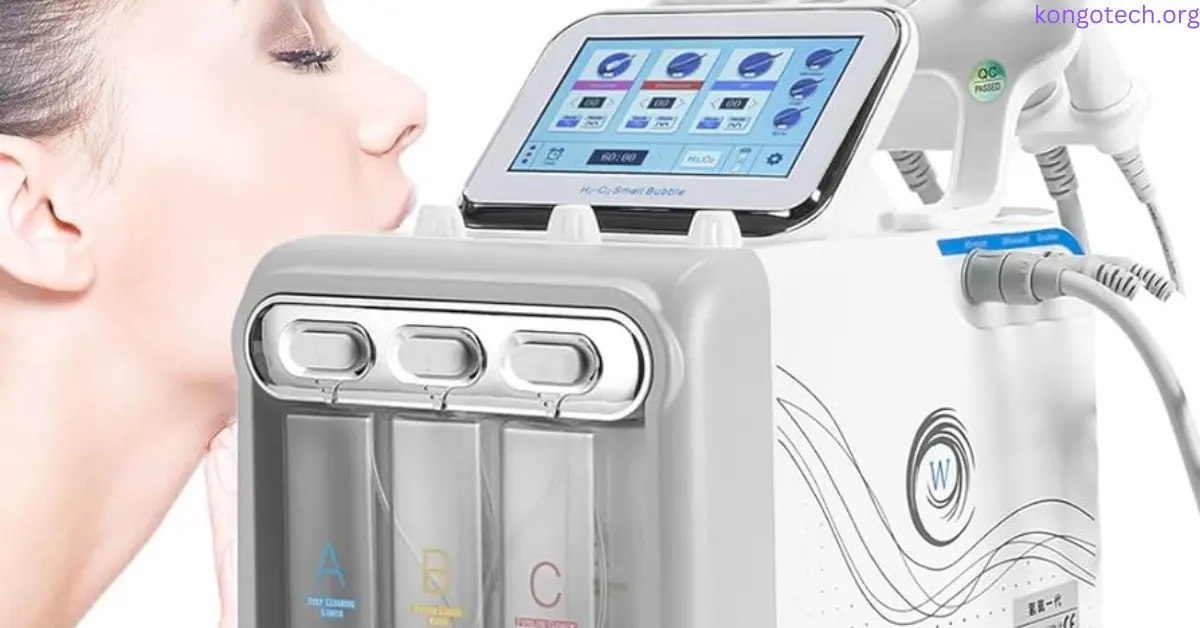
In today’s era, beauty machines have become indispensable tools in the skincare and cosmetics industry. From facial cleansing devices to hair removal lasers, these machines play a crucial role in enhancing beauty routines and treatments. But have you ever wondered how these innovative gadgets come into existence? Let’s delve into the intricate process of beauty machine manufacturing.
Understanding Beauty Machine Manufacturing
Beauty machines encompass a wide array of devices designed under reputable Beauty Machine Manufacturer to improve various aspects of skincare and aesthetics. These can include facial steamers, microdermabrasion devices, LED light therapy masks, and much more. The manufacturing process for these machines involves meticulous planning, precision engineering, and adherence to quality standards.
During the design phase, engineers and designers collaborate to create concepts that meet market demands and consumer needs. Extensive research and development are conducted to understand user preferences and technological advancements. From conceptualization to prototyping, each stage is crucial in refining the final product design.
Design Phase
The design phase is where creativity meets functionality. Engineers work on developing schematics and blueprints that outline the structural and operational aspects of the beauty machine. Advanced CAD software enables precise modeling, allowing for adjustments and improvements before moving to the next stage.
Materials and Components
Once the design is finalized, the focus shifts to selecting high-quality materials and components. From durable plastics to medical-grade metals, every part is carefully chosen to ensure durability and performance. Rigorous quality control measures are implemented to verify the integrity of each component before assembly.
Manufacturing Process
The actual manufacturing process involves assembling the various components according to the design specifications. This often takes place on assembly lines where specialized workers meticulously put together the intricate parts of the beauty machine. Throughout the assembly process, rigorous testing and quality assurance protocols are followed to detect any defects or malfunctions.
Packaging and Labeling
After assembly, the finished products are packaged and labeled for distribution. Packaging plays a crucial role in protecting the beauty machines during transit and storage. Additionally, accurate labeling ensures compliance with regulatory requirements and provides essential information to consumers.
Distribution and Marketing
Once packaged, the beauty machines are ready for distribution to retailers and consumers. Marketing strategies play a vital role in promoting these products, whether through traditional advertising channels or digital platforms. Educating consumers about the benefits and features of the beauty machines helps drive sales and build brand loyalty.
Maintenance and Support
Customer satisfaction doesn’t end with the purchase. Manufacturers provide ongoing support through customer service channels and warranty policies. This ensures that consumers receive assistance in case of any issues or concerns with their beauty machines.
Environmental Considerations
In an era of increasing environmental awareness, Beauty Machine Manufacturer are implementing sustainable practices. This includes using eco-friendly materials, reducing energy consumption, and implementing recycling programs to minimize waste.
Future Trends
As technology continues to evolve, so do beauty machines. Innovations such as artificial intelligence and IoT connectivity are revolutionizing the skincare industry, leading to smarter and more efficient devices.
Challenges and Solutions
Despite the advancements, manufacturers face challenges such as market competition and regulatory hurdles. By staying abreast of industry trends and adopting flexible strategies, companies can overcome these obstacles and thrive in the market.
Regulatory Compliance
Compliance with regulatory standards is paramount in the beauty machine industry. Manufacturers must adhere to FDA regulations and international quality standards to ensure the safety and efficacy of their products.
Consumer Education
Educating consumers about the proper use and maintenance of beauty machines is essential for safety and effectiveness. Manufacturers provide instructional materials and safety precautions to help users make informed decisions.
Benefits of Quality Manufacturing
Investing in quality manufacturing processes not only ensures the longevity of products but also enhances customer satisfaction. Well-designed and meticulously crafted beauty machines offer superior performance and reliability.
Conclusion
The beauty machine manufacturing process is a testament to innovation and precision engineering. From design to distribution, each step plays a crucial role in delivering high-quality products to consumers. By prioritizing quality and adhering to industry standards, manufacturers can continue to meet the evolving needs of the skincare market.
