

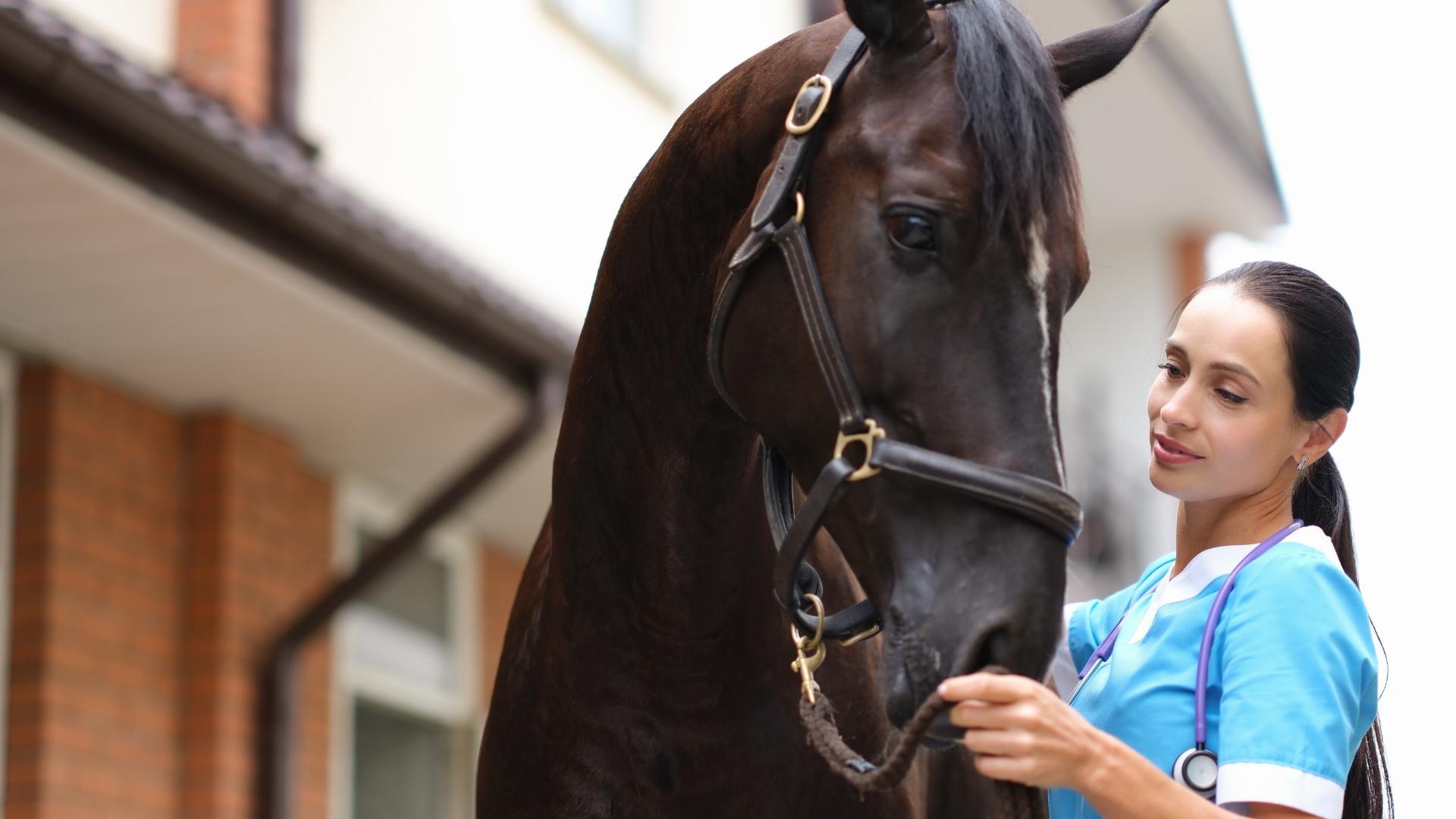
For those who have a deep passion for horses and a desire to deepen their knowledge and skills in equine care and therapy, online courses have emerged as a game-changer. No longer restricted by geographic limitations, horse enthusiasts from around the world can now access comprehensive educational programs tailored to their interests and goals. Whether you aspire to become a professional horse trainer, an equine massage therapist, or simply want to enhance your understanding of equine first aid and nutrition, the virtual realm offers a wealth of opportunities to master the art of equine therapy from the comfort of your own home or stable.
Unlocking the Secrets of Effective Horse Training through Online Courses
Horse training is both an art and a science, requiring a deep understanding of equine behavior, communication, and psychology. Online horse training classes provide a comprehensive and immersive learning experience, equipping students with the knowledge and techniques to establish a strong bond with their equine companions and achieve desired training outcomes.
These courses cover a wide range of topics, including:
– Groundwork and Handling: Mastering the fundamentals of safe and effective horse handling, including leading, tying, and basic groundwork exercises.
– Behavior and Communication: Exploring the intricate world of equine behavior and communication, enabling trainers to understand and interpret their horse’s signals and respond appropriately.
– Training Methodologies: Delving into various training approaches, such as natural horsemanship, classical dressage, and positive reinforcement techniques, allowing students to find the style that best resonates with their philosophy and goals.
– Specialized Training: Focusing on specific disciplines like dressage, jumping, reining, or trail riding, catering to the unique needs and interests of each student.
Through interactive video lessons, virtual classrooms, and personalized feedback from experienced instructors, these online horse training classes provide a comprehensive and engaging learning experience, empowering students to develop their skills and build lasting relationships with their equine partners.
Unleashing the Power of Equine Massage through Comprehensive Online Courses
Equine massage is a rapidly growing field that offers horse enthusiasts the opportunity to promote the well-being and performance of their equine companions. Online equine massage courses provide a comprehensive and accessible education in this specialized therapy, enabling students to acquire the necessary knowledge and practical skills to effectively address muscle tension, improve circulation, and enhance overall equine health.
These courses typically cover the following areas:
– Equine Anatomy and Physiology: Developing a deep understanding of the horse’s muscular system, skeletal structure, and physiological processes, laying the foundation for effective massage techniques.
– Massage Theory and Techniques: Exploring various massage modalities, such as Swedish massage, trigger point therapy, and sports massage, and learning the proper application of each technique for optimal results.
– Injury Prevention and Management: Gaining insights into common equine injuries and how massage therapy can contribute to prevention, rehabilitation, and overall injury management.
– Business and Ethics: For those interested in pursuing a career in equine massage, these courses often include guidance on establishing a professional practice, client management, and ethical considerations.
Through a combination of video demonstrations, virtual workshops, and interactive assignments, students in online equine massage courses can develop the practical skills and theoretical knowledge necessary to provide safe and effective massage therapy for horses, ensuring their equine companions receive the highest level of care and support.
Preparing for Emergencies: The Importance of an Equine First Aid Course
Owning and caring for horses comes with inherent risks, and being prepared for emergencies is crucial. An equine first aid course equips horse enthusiasts with the knowledge and skills to respond effectively in potentially life-threatening situations, ensuring the safety and well-being of their equine companions.
These courses typically cover the following essential topics:
1. Wound Management: Learning proper techniques for cleaning, disinfecting, and bandaging wounds to prevent infection and promote healing.
2. Fracture and Limb Injuries: Understanding the signs and appropriate procedures for managing fractures, sprains, and other limb injuries until professional veterinary care can be obtained.
3. Colic and Digestive Emergencies: Recognizing the symptoms of colic and other digestive issues, and learning appropriate first aid measures to stabilize the horse and minimize further complications.
4. Respiratory Distress: Identifying signs of respiratory distress and learning techniques to alleviate symptoms until veterinary assistance arrives.
5. Emergency Preparedness: Developing an emergency plan, assembling a well-stocked first aid kit, and learning how to safely move and transport an injured horse.
Through a combination of theoretical instruction and practical simulations, equine first aid courses provide horse owners and caretakers with the knowledge and confidence to respond swiftly and effectively in emergency situations, potentially saving the lives of their equine companions.
Nourishing Equine Health: Exploring Equine Nutrition through Online Courses
Proper nutrition is essential for the overall health, performance, and longevity of horses. Equine nutrition courses offer a comprehensive understanding of the nutritional requirements of these magnificent animals, empowering horse owners and caretakers to make informed decisions about their equine companions’ diets.
These courses typically cover the following key areas:
1. Equine Digestive System: Understanding the unique physiology and function of the horse’s digestive system, including the role of the hindgut and the importance of forage in their diet.
2. Nutritional Requirements: Exploring the specific nutritional needs of horses based on their age, breed, activity level, and physiological state (e.g., growth, pregnancy, lactation).
3. Feed and Supplement Analysis: Learning how to read and interpret feed labels, evaluate the quality of hay and forage, and assess the need for supplementation.
4. Feeding Management: Developing feeding schedules, monitoring body condition, and adjusting diets based on individual needs and environmental factors.
5. Special Dietary Considerations: Addressing specific dietary requirements for horses with metabolic disorders, such as insulin resistance, laminitis, or Cushing’s disease.
Through a combination of lectures, interactive discussions, and practical assignments, equine nutrition courses provide horse owners and caregivers with the knowledge and tools necessary to develop balanced and appropriate diets for their equine companions, promoting optimal health, performance, and overall well-being.
Conclusion
The world of equine therapy is vast and ever-evolving, offering horse enthusiasts a myriad of opportunities to deepen their knowledge and hone their skills. With the advent of online courses, mastering the art of equine therapy has become more accessible than ever before. Whether you aspire to become a horse trainer, an equine massage therapist, or simply want to enhance your understanding of equine first aid and nutrition, the virtual realm provides a wealth of comprehensive and engaging educational programs tailored to your specific interests and goals. By embracing the power of online learning, you can unlock the secrets of effective horse care and therapy, ultimately strengthening your bond with these majestic animals and ensuring their well-being for years to come.
