

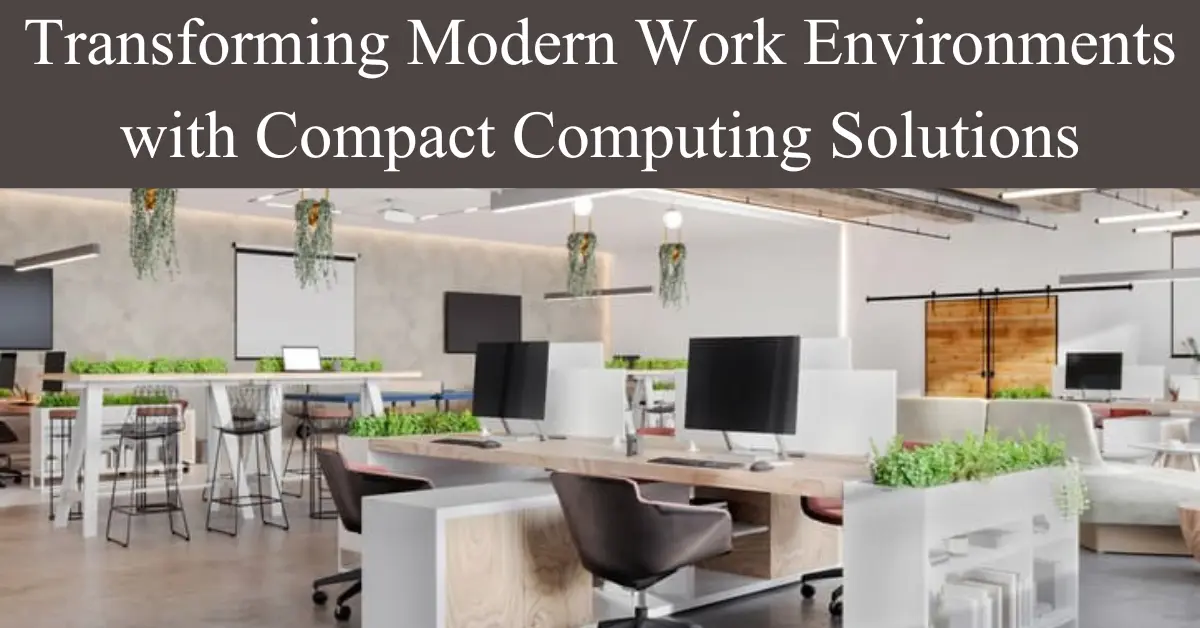
Small-scale computing devices are becoming increasingly important nowadays in optimising operational efficiency across various industries. The integration of industrial PC technology marks a significant evolution, especially in sectors that require robust and space-efficient computing solutions. These devices offer the perfect amalgamation of performance, durability, and size, making them ideal for challenging environments where traditional desktops cannot operate.
The Rise of Miniaturised Computers
Miniaturised fanless industrial PC is engineered to withstand the rigours of harsh industrial environments while providing the computing power needed for critical operations. These compact units are not only space-saving but also designed with rugged features to resist dust, vibration, and extreme temperatures. This resilience makes them suitable for deployment in sectors such as manufacturing, logistics, and automation.
Key Features and Advancements
One of the standout features of these computers is their energy efficiency. Unlike larger systems, these compact units consume significantly less power. This not only reduces operational costs but also minimises the carbon footprint of industrial operations. Additionally, they are equipped with advanced systems that ensure reliable performance without the need for bulky and noisy fans.
Flexibility is another core attribute of these systems. They typically come with multiple I/O ports and expansion slots, allowing for easy integration with existing industrial systems and the flexibility to add additional capabilities. This adaptability is crucial for industries that are rapidly evolving and require scalable solutions to meet changing technological needs.
Impact on Industry Operations
The deployment of miniaturised computing devices in industrial settings has revolutionised the way operations are managed. With the capability to process and analyse data at the source, these computers enable real-time monitoring and control. This immediate data feedback can significantly enhance decision-making processes. This can lead to increased productivity while reducing downtime.
In logistics, for example, a mini industrial PC can manage and track inventory with high accuracy and efficiency. In manufacturing, they facilitate precise control of machinery and equipment, improving product quality and production rates. The integration of these systems into industrial operations thus not only optimises performance but also enhances operational safety.
Security and Scalability
Despite their small size, a mini industrial PC does not compromise on security features. Many are equipped with advanced encryption measures, secure boot systems, and built-in cybersecurity software. Furthermore, their scalability allows businesses to upgrade and expand their capabilities as needed without overhauling their entire system.
Future Outlook
The future of miniaturised computing looks promising as advancements in technology work towards pushing the boundaries of what these small devices can do. With trends leaning towards the Internet of Things (IoT) and Artificial Intelligence (AI), these computers are expected to become even more integral to industrial automation. They will likely play an important role in the implementation of smart factories and connected machinery. They aim to work towards driving innovation and efficiency in industrial operations.
Moreover, the components of these systems, such as processors and storage, are expected to become more powerful and efficient. This will enable even more complex applications in smaller packages. This trend will not only enhance the capabilities but also extend their applicability across a wider range of industries and functions.
The integration of miniaturised industrial computers into workspaces is more than a trend; it is a strategic evolution that enhances operational efficiency, reliability, and scalability. The mini industrial PC is compact, rugged, and powerful. These devices are setting new standards in computing, paving the way for more innovative and efficient industrial operations. As industries work towards embracing digital transformation, the role of these compact computing solutions is set to become more critical. This shows their value in modernising and revolutionising workspaces.
