

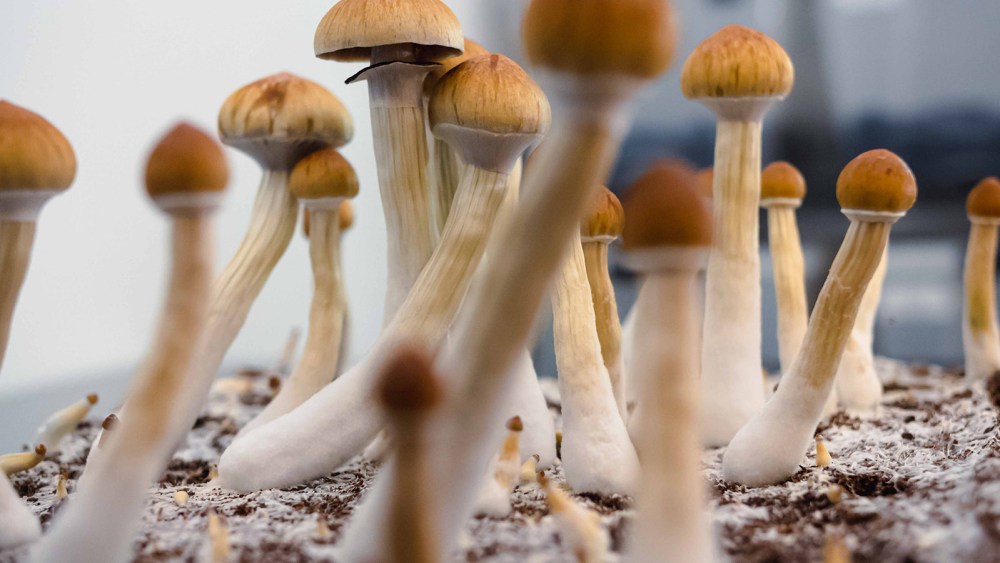
In recent years, we’ve witnessed a significant shift in attitudes towards psychedelics, spearheaded by burgeoning research into their potential therapeutic benefits and a growing social movement advocating for their use. Central to this psychedelic renaissance are psilocybin mushrooms, often simply referred to as “shrooms.” This resurgence of interest has led to several urban centers becoming hotspots for psychedelic culture, with Washington D.C., affectionately known as Shrooms DC, emerging as a pivotal location in the movement. This article dives deep into the heart of the psychedelic movement, exploring its origins, the legal landscape surrounding psilocybin mushrooms, their potential benefits, and the challenges that lie ahead.
The Psychedelic Renaissance
The psychedelic movement isn’t new; it traces its roots back to the 1950s and ’60s, when researchers first began to explore the therapeutic possibilities of substances like LSD and psilocybin. However, political and social backlash in the latter half of the 20th century led to stringent laws that all but halted such research. Fast forward to the 21st century, and we’re now in the midst of what many call the “psychedelic renaissance.”
Central to this revival is psilocybin, the active hallucinogenic compound found in certain species of mushrooms. The last decade has seen a revitalization of scientific interest in psilocybin, driven by groundbreaking studies from institutions like Johns Hopkins University and Imperial College London. These studies suggest that psilocybin could offer substantial benefits in treating depression, anxiety, PTSD, and addiction, challenging long-standing stigmas surrounding psychedelic drugs.
Shrooms DC: A Focal Point of Change
Washington D.C. has become an unexpected epicenter for the psychedelic movement, thanks in part to the passage of Initiative 81 in November 2020. Officially known as the Entheogenic Plant and Fungus Policy Act of 2020, this legislation has decriminalized the use of psilocybin mushrooms and other entheogenic plants, making the prosecution of related offenses the lowest priority for law enforcement.
While not legalizing sale or distribution, this shift has opened new doors for advocacy, education, and research within the district. It’s important to understand the legal nuances, as “decriminalized” does not mean “legal.” However, this move represents a significant step toward wider acceptance and potential future legalization.
The Therapeutic Potential of Psilocybin
The revitalized interest in psilocybin is not without merit. A growing body of clinical research highlights its potential therapeutic benefits, particularly for mental health. Studies suggest that psilocybin therapy can lead to significant reductions in depression and anxiety, particularly in patients for whom traditional treatments have failed.
One of the most compelling aspects of psilocybin therapy is its ability to produce profound and enduring changes after just one or two doses, under controlled, therapist-led sessions. Patients report experiences of connectivity, unity, and a profound reevaluation of their life’s priorities and traumas, often leading to significant and lasting improvements in their well-being.
One of the most captivating facets of psilocybin therapy lies in its remarkable capacity to induce profound and enduring transformations after just one or two doses, administered within controlled, therapist-led sessions. Patients undergoing this therapy frequently describe experiences characterized by feelings of connectivity, unity, and a profound reassessment of their life’s priorities and traumas. These encounters often pave the way for substantial and long-lasting enhancements in their overall well-being.
The therapeutic journey facilitated by psilocybin therapy is often described as a profound exploration of the inner self, where individuals gain insight into their thoughts, emotions, and experiences. By delving into the depths of their psyche in a supportive and controlled environment, patients can confront and process unresolved issues, traumas, and negative thought patterns. This process can lead to significant breakthroughs, newfound clarity, and a sense of liberation from emotional burdens that have weighed heavily on them.
Moreover, the effects of psilocybin therapy extend far beyond the duration of the actual session. Many patients report sustained benefits that endure weeks, months, or even years after their treatment. These enduring changes often manifest as improved mood, reduced anxiety and depression, enhanced emotional resilience, and a newfound sense of purpose and meaning in life. As such, psilocybin therapy holds immense promise as a transformative tool for promoting mental health and well-being.
Challenges Ahead
Despite the promise psilocybin holds, there are hurdles on the path to widespread acceptance and medical use. The most significant of these is, of course, the legal landscape. While cities like D.C. have made progressive moves, psilocybin remains illegal under federal law and in most states.
Furthermore, the medical and scientific communities call for more research to fully understand psilocybin’s therapeutic potential, mechanisms of action, and long-term effects. This research is vital in shaping policies that could lead to psilocybin’s declassification as a Schedule I substance and its acceptance as a legitimate treatment option.
The Road to Acceptance
The decriminalization efforts in places like Shrooms DC are just the beginning of what many advocates hope will be a nationwide, and potentially global, reevaluation of psychedelics. The goal is not just to decriminalize their use but to integrate these substances into society in a way that maximizes their potential benefits while minimizing harm. This includes creating frameworks for safe, regulated access for therapeutic purposes, investing in robust educational programs, and supporting ongoing research.
Movement towards this future involves not only changing laws but shifting cultural attitudes and understanding. The psychedelic movement is as much about personal and societal transformation as it is about the substances themselves. It challenges us to reconsider our relationship with consciousness, healing, and the collective human experience.
Conclusion
The fungi frontier is vast, with much still to explore regarding the role of psilocybin mushrooms and other psychedelics in society. Washington D.C.’s Initiative 81 represents a significant step forward in this exploration, signaling a broader shift in attitudes towards these powerful substances.
As we stand on the cusp of this new era, the potential of psilocybin and the broader psychedelic movement offers a promising horizon for therapeutic breakthroughs and a deeper understanding of the human psyche. However, realizing this potential fully requires thoughtful dialogue, rigorous research, and open minds. The path forward is not simply about psychedelics but about challenging and expanding our perspectives on mental health, consciousness, and the essence of our shared human experience.
