

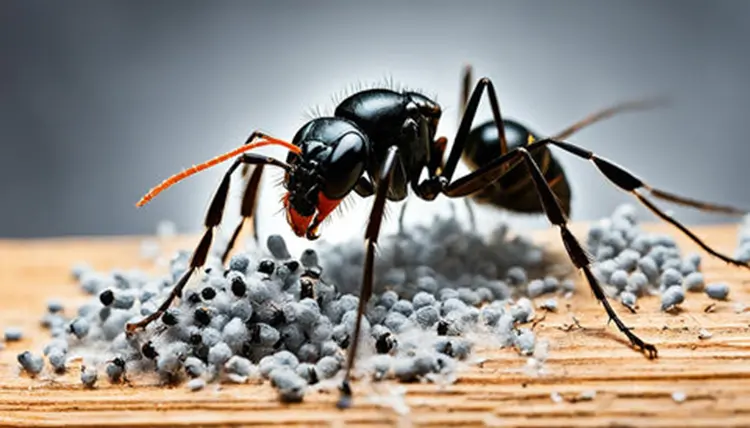
Carpenter ants are a common residential pest that can cause substantial structural damage if not controlled. These ants, known for their wood-boring activities, build large nests within wooden buildings, compromising the structural integrity of your home. To safeguard your home and keep it pest-free, you must first understand and adopt the best carpenter ant killer.
Identify and Eliminate Moisture Sources
Carpenter ants are attracted to moist environments, which provide ideal conditions for nesting and foraging. The first step in controlling a carpenter ant infestation is to identify and eliminate moisture sources around your home. Inspect areas such as kitchens, bathrooms, basements, and attics for leaks or excess humidity. Repair any plumbing issues, seal leaking windows and doors, and ensure proper ventilation in damp areas. By reducing moisture levels, you make your home less attractive to carpenter ants and other pests.
Locate and Destroy the Nest
Finding and destroying the carpenter ant nest is crucial for effectively eliminating the infestation. Carpenter ants often establish nests in hidden, hard-to-reach places such as wall voids, attic beams, and wooden furniture. To locate the nest, follow the trail of ants back to their entry point. Look for signs such as sawdust-like wood shavings (frass) and rustling sounds within walls. Once the nest is identified, treat it directly with a targeted insecticide or hire a professional exterminator to ensure thorough eradication.
Use Baiting Systems
Baiting systems are an effective method for controlling carpenter ants, especially when the nest location is unknown or inaccessible. Ant baits contain a slow-acting insecticide combined with an attractive food source. When ants consume the bait, they carry it back to the nest, where it is shared with the colony, including the queen. This method gradually eliminates the entire colony. Place bait stations near ant trails and entry points, ensuring they are out of reach of children and pets. Monitor and replenish the bait stations regularly until ant activity ceases.
Seal Entry Points and Structural Gaps
Preventing carpenter ants from entering your home is a critical component of long-term control. Inspect your home’s exterior for potential entry points, such as cracks in the foundation, gaps around windows and doors, and openings around utility lines. Seal these entry points with caulk, weather stripping, or expandable foam. Additionally, trim tree branches and shrubs that touch your home, as these can provide pathways for ants to enter. By creating a solid barrier, you reduce the likelihood of future infestations.
