

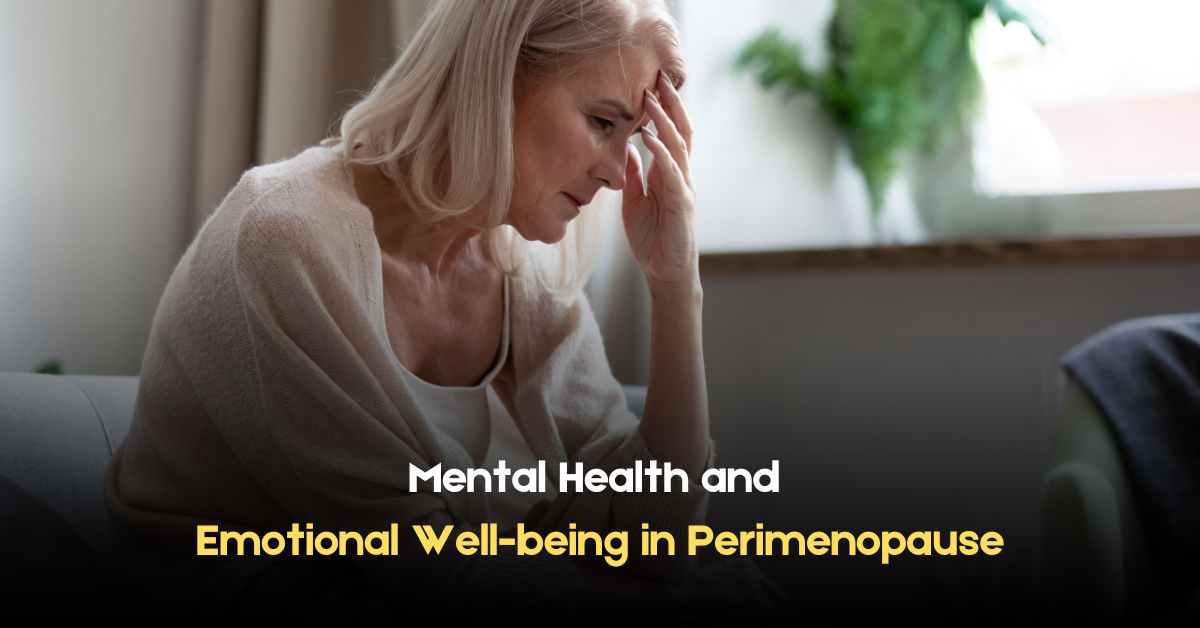
Perimenopause is a natural phase in a woman’s life that marks the transition into menopause. It typically begins in a woman’s 40s but can start earlier. During this time, women experience hormonal changes that can affect both their bodies and minds. Understanding perimenopause is crucial for managing its impact on mental health and emotional well-being.
In this article, we’ll explore:
- The hormonal changes that occur during this stage and their effects on the body and mind.
- Strategies for managing mental health and emotional well-being during this transitional phase.
- The importance of understanding this phase to better cope with its impact on daily life.
What Happens During Perimenopause?
During this period, the ovaries gradually produce less estrogen, leading to fluctuations in hormone levels. These changes can cause various physical and emotional perimenopause symptoms, such as:
- Irregular periods
- Hot flashes
- Sleep disturbances
- Mood swings
These symptoms can be challenging, but knowing what to expect helps women prepare and manage them effectively.
Why Mental Health Matters
Mental health is an essential component of overall well-being. During this time, the hormonal shifts can contribute to mood disorders like anxiety and depression. Addressing mental health during this time is vital for maintaining a good quality of life.
Common Emotional Symptoms
Women may experience several emotional symptoms, including:
- Anxiety
- Depression
- Irritability
- Mood swings
These symptoms can affect daily life and relationships, making it important to seek effective strategies for coping with them.
Managing Anxiety
Anxiety in perimenopause is a common symptom, often triggered by hormonal changes and life stressors. Here are practical ways to manage anxiety during this transition.
Practice Mindfulness and Meditation
Mindfulness and meditation can help reduce anxiety by promoting relaxation and encouraging a focus on the present moment. Simple techniques include:
- Deep breathing exercises
- Guided meditation apps
- Mindful walking
These practices can be easily integrated into your daily routine.
Maintain a Healthy Lifestyle
A healthy lifestyle can significantly impact anxiety levels. Focus on:
- Regular physical activity
- Balanced diet rich in fruits, vegetables, and whole grains
- Adequate sleep
These habits can help stabilize mood and reduce anxiety.
Seek Professional Help
If anxiety becomes overwhelming, seeking help from a mental health professional can be beneficial. Therapies such as cognitive-behavioral therapy (CBT) are effective in managing anxiety. Medication may also be an option discussed with a healthcare provider.
Coping with Mood Swings
Mood swings are another common symptom. They can be unpredictable and distressing, but several strategies can help manage them.
Track Your Mood
Keeping a mood diary helps identify patterns and triggers for mood swings. Note down:
- Daily moods
- Energy levels
- Stressors
This information can be useful for discussing with a healthcare provider and finding effective coping strategies.
Stay Connected
Maintaining social connections can provide emotional support and reduce feelings of isolation. Engage in activities such as:
- Joining a support group
- Spending time with friends and family
- Participating in community events
Practice Self-care
Self-care routines can help manage mood swings. Consider:
- Taking time for hobbies and interests
- Practicing relaxation techniques like yoga
- Ensuring regular “me time” to unwind
Prioritizing self-care can improve emotional resilience.
Addressing Depression
Depression can be a severe issue, affecting overall well-being. Recognizing and addressing it early is essential.
Recognize the Signs of Depression
Depression symptoms can vary but often include:
- Persistent sadness
- Loss of interest in activities
- Changes in appetite or sleep
Recognizing these signs is the first step toward seeking help.
Explore Treatment Options
Several treatment options are available for managing depression, including:
- Talk therapy (psychotherapy)
- Antidepressant medications
- Support groups
Consulting a healthcare provider can help determine the best approach.
Build a Support System
Having a robust support system can make a significant difference. Reach out to:
- Friends and family
- Mental health professionals
- Online support communities
Connecting with others who understand your experience can provide comfort and encouragement.
Hormone Replacement Therapy (HRT) and Mental Health
Hormone Replacement Therapy (HRT) can be an effective treatment for managing perimenopausal symptoms, including those affecting mental health.
Benefits of HRT
HRT helps balance hormone levels, which can alleviate symptoms such as:
- Hot flashes
- Mood swings
- Anxiety
Discussing HRT with a healthcare provider can help determine if it’s suitable for you.
Risks and Considerations
While HRT has benefits, it also comes with potential risks, including:
- Increased risk of blood clots
- Breast cancer
- Heart disease
Weighing the benefits and risks with a healthcare provider is crucial.
Alternatives to HRT
If HRT isn’t an option, consider alternatives such as:
- Herbal supplements
- Lifestyle changes
- Non-hormonal medications
Exploring different treatments can help find what works best for you.
Natural Remedies for Emotional Well-beingHerbal Supplements
Certain herbs are known for their mood-enhancing properties, including:
- St. John’s Wort
- Black Cohosh
- Ginseng
Always consult with a healthcare provider before starting any supplements.
Aromatherapy
Aromatherapy uses essential oils to promote relaxation and emotional balance. Popular oils include:
- Lavender
- Chamomile
- Clary Sage
Using a diffuser or adding oils to a bath can create a calming atmosphere.
Exercise and Outdoor Activities
Physical activity and spending time outdoors can boost mood and reduce stress. Activities to try include:
- Walking or hiking
- Yoga or Pilates
- Gardening
Regular exercise releases endorphins, improving overall well-being.
The Role of Nutrition in Mental HealthEat a Balanced Diet
Focus on a diet rich in:
- Fruits and vegetables
- Whole grains
- Lean proteins
These foods provide essential nutrients that support brain function.
Omega-3 Fatty Acids
Omega-3 fatty acids are known for their mood-stabilizing effects. Include sources such as:
- Fatty fish (salmon, mackerel)
- Flaxseeds
- Walnuts
Supplements are also available if needed.
Limit Processed Foods and Sugars
High intake of processed foods and sugars can negatively affect mood. Aim to:
- Reduce consumption of sugary snacks and drinks
- Choose whole, unprocessed foods
Making healthier choices can enhance emotional stability.
Importance of Sleep for Emotional Well-beingEstablish a Bedtime Routine
Creating a consistent bedtime routine helps signal your body that it’s time to wind down. Try:
- Going to bed and waking up at the same time every day
- Avoiding screens before bed
- Reading a book or listening to calming music
These habits can improve sleep quality over time.
Create a Sleep-friendly Environment
Ensure your bedroom is conducive to sleep by:
- Keeping it cool and dark
- Using comfortable bedding
- Minimizing noise
A good sleep environment promotes restful sleep.
Consider Natural Sleep Aids
Natural sleep aids can help improve sleep without the side effects of medication. Options include:
- Melatonin supplements
- Herbal teas (chamomile, valerian root)
- Essential oils (lavender)
Consulting a healthcare provider before using sleep aids is recommended.
Building Resilience Practice Positive Thinking
Positive thinking can shift your mindset and improve emotional well-being. Techniques include:
- Affirmations
- Gratitude journaling
- Visualization
These practices can boost mood and resilience.
Develop Coping Strategies
Having effective coping strategies can make a significant difference. Strategies include:
- Problem-solving skills
- Stress management techniques
- Seeking social support
Learning and practicing these strategies can enhance emotional resilience.
Stay Active and Engaged
Staying active and engaged in life can improve mental health. Activities to consider:
- Pursuing hobbies and interests
- Volunteering
- Learning new skills
Engagement in enjoyable activities keeps the mind active and positive.
Conclusion
Perimenopause is a significant phase in a woman’s life, marked by hormonal changes that can impact mental and emotional well-being. By understanding these changes and implementing practical strategies, women can manage symptoms like anxiety, mood swings, and depression effectively.
Remember, you’re not alone in this journey. Building a support system, seeking professional help when needed, and nurturing your mental health through self-care and healthy habits can make a world of difference.
