

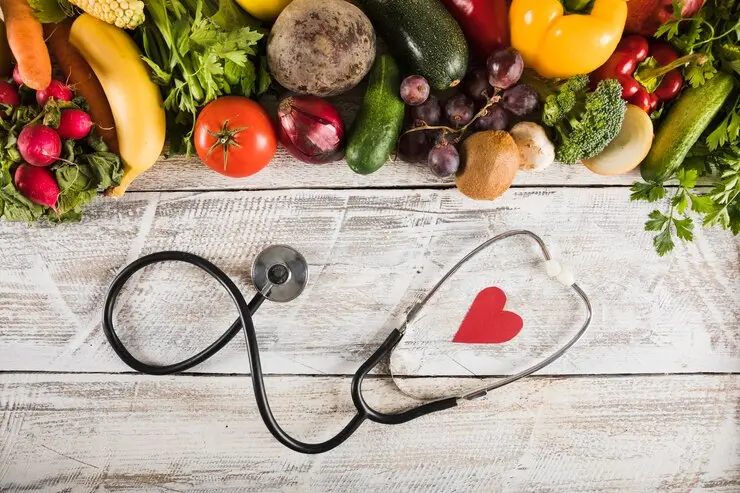
Maintaining healthy cholesterol levels is crucial for cardiovascular health, and dietary fiber plays a significant role in achieving this goal. Fiber-rich diets have been shown to lower cholesterol levels, particularly LDL cholesterol, which is considered a major risk factor for heart disease. In this article, we explore the importance of dietary fiber, its impact on cholesterol levels, and practical tips on incorporating fiber-rich foods into your daily meals
Understanding Cholesterol and Its Impact
Cholesterol is a waxy substance found in your blood and cells. While your body needs cholesterol to build healthy cells, high levels of LDL cholesterol (often referred to as “bad” cholesterol) can lead to plaque buildup in arteries, increasing the risk of heart disease and stroke. HDL cholesterol, on the other hand, is known as “good” cholesterol because it helps remove LDL cholesterol from the arteries.
Maintaining a healthy balance of cholesterol involves not only managing your intake of dietary cholesterol but also focusing on factors that can help lower LDL cholesterol levels, such as dietary fiber.
How Dietary Fiber Affects Cholesterol Levels
Dietary fiber, found exclusively in plant-based foods, is classified into two types: soluble and insoluble fiber. While both types are beneficial for health, soluble fiber is particularly effective in lowering LDL cholesterol levels.
- Soluble Fiber: This type of fiber dissolves in water to form a gel-like substance in the digestive tract. It binds with cholesterol and prevents its absorption into the bloodstream, effectively lowering LDL cholesterol levels.
Studies have consistently shown that increasing soluble fiber intake can lead to significant reductions in LDL cholesterol. The recommended daily intake of fiber for adults is 25-30 grams, but many fall short of this goal. By consciously choosing fiber-rich foods, you can improve your cholesterol profile and overall cardiovascular health.
Best Sources of Dietary Fiber
- Whole Grains: Whole grains like oats, barley, quinoa, and brown rice are excellent sources of soluble fiber. They can easily be incorporated into your diet through breakfast cereals, whole grain bread, and side dishes.
- Legumes: Beans, lentils, chickpeas, and peas are rich in both soluble and insoluble fiber, making them excellent dietary choices for cholesterol control. They are versatile ingredients that can be added to soups, stews, salads, and main dishes.
- Fruits: Apples, pears, berries, oranges, and citrus fruits are high in soluble fiber, especially found in their skins. Aim to eat whole fruits rather than fruit juices to maximize fiber intake.
- Vegetables: Broccoli, Brussels sprouts, carrots, and sweet potatoes are excellent sources of fiber. Incorporate a variety of colorful vegetables into your meals to boost fiber content.
- Nuts and Seeds: Almonds, walnuts, chia seeds, and flaxseeds are nutrient-dense foods that provide both fiber and healthy fats. Sprinkle them on yogurt, salads, or enjoy them as a snack.
Practical Tips for Increasing Fiber Intake
- Start Your Day with Fiber: Choose high-fiber cereals or oatmeal for breakfast. Add fruits, nuts, or seeds for an extra boost.
- Snack on Fruits and Vegetables: Keep raw vegetables and fruits handy for quick and nutritious snacks throughout the day.
- Choose Whole Grains: Opt for whole grain bread, pasta, and rice instead of their refined counterparts.
- Include Legumes Regularly: Experiment with different types of beans and lentils in soups, salads, and casseroles.
- Read Food Labels: Look for foods labeled as “high fiber” or “good source of fiber” when grocery shopping.
Additional Benefits of Fiber-Rich Diets
Beyond cholesterol management, fiber offers numerous other health benefits:
- Weight Management: High-fiber foods tend to be more filling, which can help control appetite and support weight loss or maintenance.
- Gut Health: Fiber promotes regular bowel movements and contributes to a healthy digestive system.
- Blood Sugar Control: Soluble fiber slows down the absorption of sugar, helping to stabilize blood glucose levels.
Conclusion
Incorporating fiber-rich foods into your diet is a simple yet powerful way to support heart health and maintain healthy cholesterol levels. By focusing on whole grains, legumes, fruits, vegetables, nuts, and seeds, you can significantly reduce LDL cholesterol and improve your overall well-being. Start making small changes today to reap the long-term benefits of a fiber-rich diet. Your heart will thank you for it!
