

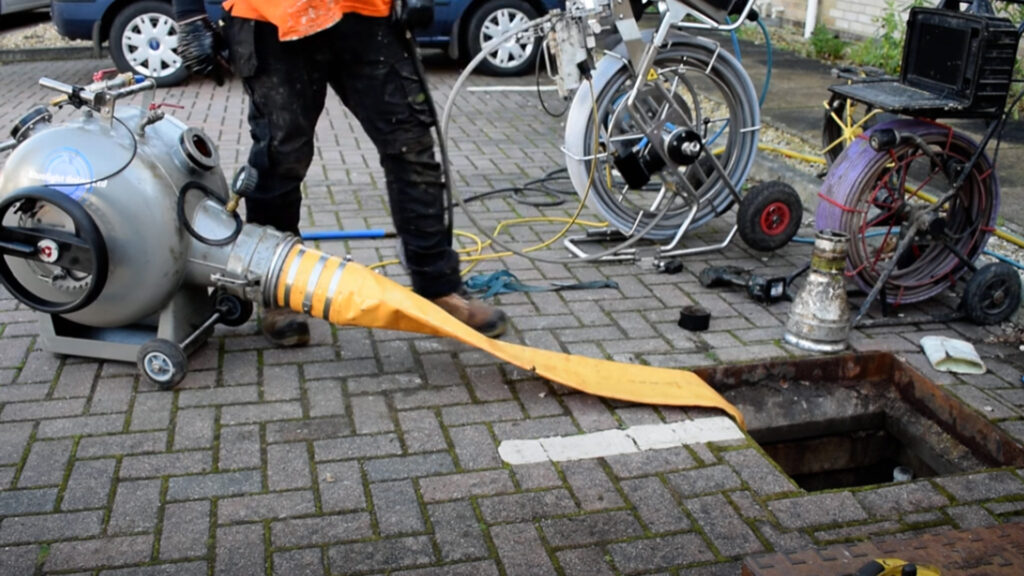
The drainage industry, traditionally associated with manual labor and reactive maintenance, is undergoing a quiet but significant technological revolution. With the rise of smart infrastructure, data-driven solutions, and advanced diagnostics, drainage service providers are now better equipped than ever to prevent issues, minimize disruption, and deliver more efficient outcomes to customers.
Smart Sensors and Real-Time Monitoring
One of the most transformative developments in drainage technology is the adoption of smart sensors. These devices, installed in sewer systems and drainage networks, can monitor water flow, pressure, and blockages in real time. This enables proactive maintenance rather than relying solely on reactive callouts. By identifying potential issues before they escalate, companies can reduce costly emergency repairs and improve service continuity for both residential and commercial clients.
Sensors can also provide critical data during adverse weather events. With climate change leading to more frequent heavy rainfall, the ability to monitor water levels helps drainage companies respond swiftly to prevent flooding and property damage.
CCTV and Robotic Inspection
Traditional drain inspections often involved intrusive digging and guesswork. Now, thanks to high-definition CCTV cameras and robotic crawler systems, engineers can carry out thorough inspections without disturbing the ground. These tools provide live video footage of a drainage system’s interior, helping professionals detect cracks, obstructions, or collapsed pipes with pinpoint accuracy.
The data captured from CCTV inspections not only speeds up diagnosis but also assists in planning long-term infrastructure upgrades. With 3D mapping and digital modelling, service providers can visualize entire drainage systems and simulate scenarios to guide maintenance strategies.
For property owners dealing with drainage issues, modern blocked drain services are more advanced and accessible than ever. Companies use cutting-edge technology to quickly identify and resolve problems with minimal disruption, ensuring fast and effective solutions for homes and businesses alike.
Trenchless Repair Technologies
Technological advancements are also changing how drainage repairs are conducted. Trenchless methods, such as pipe relining, bursting, or patching, allow repairs to be made without extensive excavation. This is a game-changer for urban environments where digging up roads or pathways can be expensive and disruptive.
By minimizing surface disruption and reducing repair times, trenchless technology offers better value for customers and less impact on the environment. It is an ideal solution for municipalities and businesses that require quick and reliable repairs.
Data-Driven Service Management
Beyond physical tools, software is playing a key role in streamlining drainage services. Cloud-based platforms allow teams to manage work orders, track technician locations, and update customers in real time. Predictive analytics, powered by AI and machine learning, are being used to anticipate high-risk areas based on historical data, usage patterns, and environmental conditions.
This shift toward data-driven decision-making is improving customer satisfaction and resource allocation. Instead of blanket maintenance schedules, companies can focus their efforts where they are needed most.
Rounding Everything Up
The integration of technology into drainage services is not just improving operational efficiency. It is reshaping the entire customer experience. From proactive monitoring to smart diagnostics and seamless communication, the industry is rapidly evolving. As technology continues to advance, we can expect drainage solutions to become even more intelligent, cost-effective, and environmentally sustainable.
