

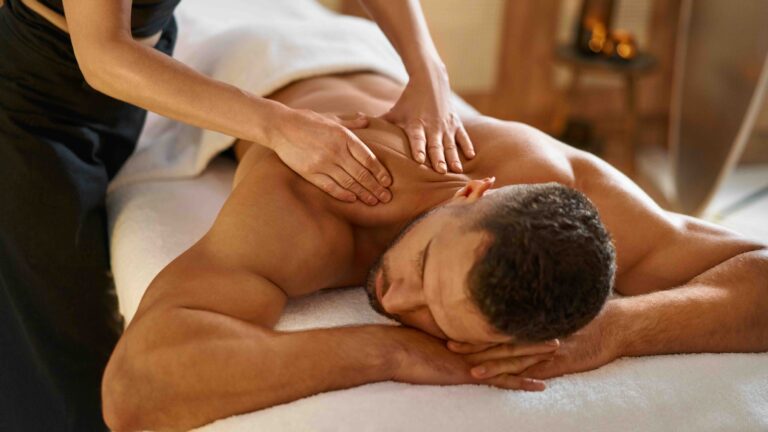
Swedish massage is a classic form of therapeutic massage that uses gentle techniques to promote relaxation, reduce muscle tension, and improve overall well-being. It is one of the most commonly practiced Swedish (스웨디시) massage types worldwide, known for its smooth, flowing strokes that enhance circulation and relieve stress.
Who Can Benefit from Swedish Massage?
Swedish massage is suitable for people of all ages and fitness levels. It is particularly beneficial for those experiencing muscle stiffness, stress, tension headaches, or limited mobility. Pregnant individuals, older adults, and people recovering from minor injuries can also enjoy the calming and restorative effects of this massage style.
What Are the Main Techniques Used in Swedish Massage?
Swedish massage incorporates five primary techniques:
- Effleurage: Long, gliding strokes that warm the muscles and promote relaxation.
- Petrissage: Kneading and rolling of muscles to release tension and improve flexibility.
- Tapotement: Rhythmic tapping or percussive movements to stimulate circulation and energize muscles.
- Friction: Deep, circular movements targeting tight areas to break down knots and adhesions.
- Vibration: Gentle shaking or trembling motions to soothe and relax the muscles.
How Does Swedish Massage Reduce Tension?
Swedish massage reduces tension by increasing blood flow, stretching soft tissues, and relaxing tight muscles. The gentle movements help release built-up stress and muscle stiffness, allowing the body to return to a state of ease. Regular sessions can prevent chronic tension and improve posture.
Can Swedish Massage Help With Stress Relief?
Yes, Swedish massage is highly effective for stress relief. The slow, rhythmic techniques stimulate the parasympathetic nervous system, promoting relaxation and reducing cortisol levels. Many people report a sense of calm, improved mood, and mental clarity after a session.
How Long Does a Typical Swedish Massage Last?
Swedish massage sessions typically last between 30 to 90 minutes, depending on personal preference and areas of focus. Longer sessions provide more comprehensive coverage and allow the therapist to address multiple muscle groups thoroughly.
What Should I Expect During a Swedish Massage Session?
During a session, you will lie on a massage table, usually covered with a sheet or towel. The therapist uses massage oil or lotion to reduce friction and applies the various techniques to your muscles. You may experience a warm, relaxed sensation, and some areas may feel slightly tender if tension is being released.
Is Swedish Massage Painful?
Swedish massage is generally gentle and relaxing rather than painful. While mild discomfort may occur when working on particularly tight muscles or knots, the therapist adjusts pressure according to your comfort level. Communication with the therapist ensures the massage remains soothing and effective.
How Often Should I Get a Swedish Massage?
The frequency of Swedish massage depends on individual needs and goals. For general relaxation and stress relief, once every two to four weeks is sufficient. People experiencing chronic tension or recovering from physical strain may benefit from weekly sessions. Consistency helps maintain results over time.
Can Swedish Massage Improve Circulation?
Yes, Swedish massage stimulates blood flow, which improves circulation throughout the body. Enhanced circulation delivers oxygen and nutrients to tissues, supports healing, and helps remove waste products from muscles. This contributes to better overall health and a feeling of increased energy.
Is Swedish Massage Suitable for Athletes?
Swedish massage can be beneficial for athletes, particularly for recovery, flexibility, and injury prevention. The techniques help loosen tight muscles, reduce soreness, and improve range of motion. While sports massage may target performance-specific needs, Swedish massage provides gentle, restorative care to support overall well-being.
Can Swedish Massage Help With Headaches or Migraines?
Swedish massage can help reduce tension headaches by relaxing the muscles of the neck, shoulders, and upper back. Improved circulation and decreased muscle tightness may also relieve migraine symptoms for some individuals. Regular massage can complement other headache management strategies.
Are There Any Health Benefits Beyond Relaxation?
In addition to relaxation, Swedish massage offers multiple health benefits, including:
- Enhanced lymphatic drainage and immune function.
- Improved joint flexibility and range of motion.
- Reduction of muscle soreness and stiffness.
- Better sleep quality due to lowered stress levels.
Is Swedish Massage Safe for Everyone?
Swedish massage is generally safe for most people. However, individuals with certain medical conditions, such as deep vein thrombosis, severe osteoporosis, open wounds, or specific heart conditions, should consult a healthcare professional before receiving a massage. Pregnant individuals should seek a prenatal massage specialist.
How Does Swedish Massage Promote Relaxation?
Relaxation is promoted through slow, rhythmic strokes that soothe the nervous system. The gentle pressure signals the body to release tension and triggers the production of endorphins, which are natural mood enhancers. This combination of physical and mental relaxation contributes to an overall sense of well-being.
Can Swedish Massage Help With Anxiety or Depression?
While not a substitute for medical treatment, Swedish massage can complement mental health care by reducing physical tension, lowering stress hormones, and promoting relaxation. Many individuals report improved mood, decreased anxiety, and a greater sense of emotional balance following regular sessions.
What Should I Wear During a Swedish Massage?
Most people wear minimal clothing, such as undergarments, and are covered with a sheet or towel for modesty. The therapist only uncovers the areas being worked on while keeping the rest of the body draped. Comfortable clothing and open communication with the therapist ensure a relaxed experience.
Do I Need to Tip My Massage Therapist?
Tipping etiquette varies by location and personal preference. In many places, a tip of 15% to 20% of the session cost is customary. Some spas include gratuity in their fees, so it is advisable to check before your appointment. Tipping is a way to show appreciation for quality service.
How Should I Prepare for a Swedish Massage?
To prepare, drink plenty of water, avoid heavy meals, and wear comfortable clothing. Arrive a few minutes early to relax and communicate any health concerns or areas of tension with your therapist. Being relaxed and informed ensures a more enjoyable and effective session.
Can Swedish Massage Improve Sleep Quality?
Yes, the relaxation and stress reduction achieved through Swedish massage can improve sleep patterns. By reducing muscle tension and calming the nervous system, massage promotes deeper, more restful sleep, helping individuals wake up feeling refreshed and rejuvenated.
Is Swedish Massage Effective for Muscle Recovery?
Swedish massage aids muscle recovery by increasing blood flow, reducing soreness, and loosening tight muscles. This gentle approach helps the body repair minor strains, alleviates stiffness, and supports overall muscle health, making it suitable for post-exercise recovery.
Can Swedish Massage Reduce Blood Pressure?
Research indicates that regular massage, including Swedish massage, can contribute to lower blood pressure by promoting relaxation and reducing stress hormones. While it is not a replacement for medical treatment, massage can be part of a holistic approach to managing blood pressure and cardiovascular health.
How Do I Choose a Qualified Massage Therapist?
Choose a licensed or certified massage therapist with training in Swedish massage. Check credentials, experience, and client reviews. Clear communication about your goals, preferences, and any health concerns ensures a safe and effective massage experience.
Are There Any Side Effects of Swedish Massage?
Side effects are generally mild and may include temporary soreness, fatigue, or slight bruising. Drinking water after a session and resting as needed helps minimize these effects. Serious complications are rare when working with a trained therapist.
Can Swedish Massage Be Combined With Other Therapies?
Swedish massage can complement other wellness practices, including yoga, physical therapy, chiropractic care, and acupuncture. Integrating massage with these therapies can enhance flexibility, reduce stress, and support overall health goals. Always consult a healthcare provider when combining treatments.
How Does Swedish Massage Differ From Other Massage Types?
Swedish massage differs from deep tissue or sports massage in its intensity and technique. It focuses on gentle, flowing strokes for relaxation rather than intense pressure to target deep muscle layers or specific sports-related issues. Its primary goal is comfort, tension relief, and overall wellness.
Can I Use Swedish Massage for Preventative Care?
Yes, regular Swedish massage can be part of a preventative wellness routine. By reducing muscle tension, improving circulation, and managing stress, it helps maintain physical and mental health. Preventative massage can also reduce the risk of chronic pain and improve long-term mobility.
How Long Do the Benefits of Swedish Massage Last?
The immediate relaxation benefits are typically felt during and shortly after a session. With consistent massage therapy, long-term advantages such as improved flexibility, reduced stress, and better circulation can last for weeks. Regular sessions enhance these benefits and contribute to overall wellness.
Conclusion
Swedish massage offers a gentle, effective approach to reducing muscle tension, relieving stress, and boosting overall comfort. Its combination of flowing techniques, relaxation benefits, and health advantages makes it a popular choice for individuals seeking physical and mental wellness.
By incorporating Swedish massage into a regular self-care routine, people can experience improved circulation, reduced anxiety, enhanced flexibility, and better sleep quality. Its suitability for a wide range of individuals and focus on comfort and relaxation make Swedish massage a cornerstone of holistic health practices.
Whether seeking relief from everyday stress, post-exercise recovery, or improved overall well-being, Swedish massage provides a safe, restorative, and rejuvenating experience that promotes balance, relaxation, and comfort.
