

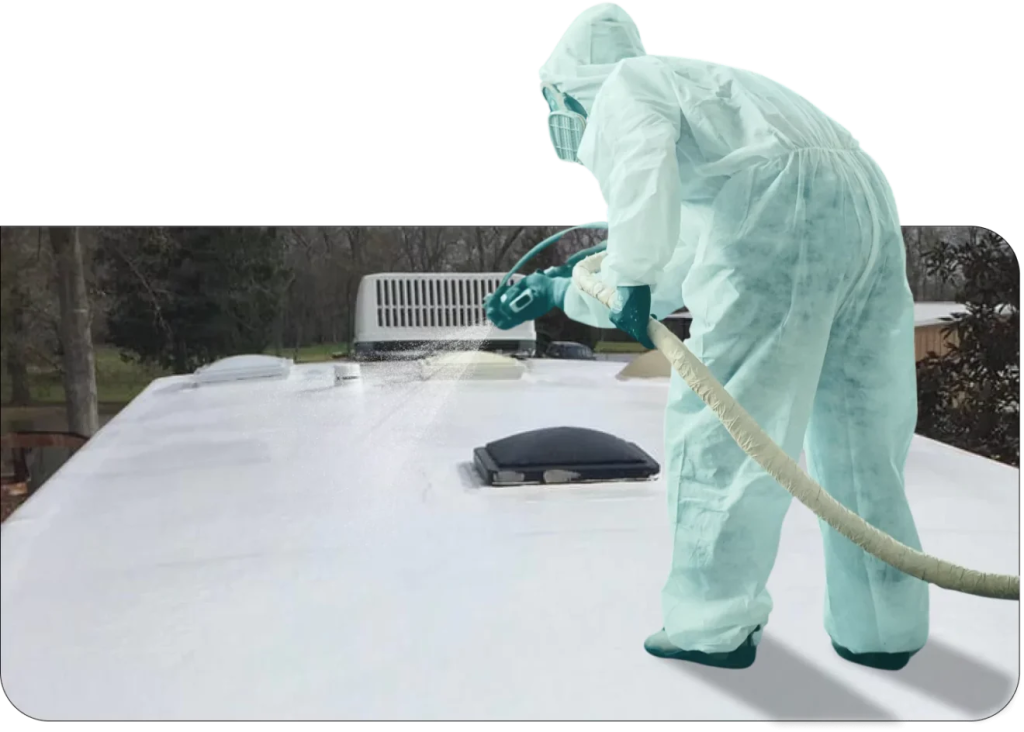
Industrial sectors continue to search for materials that hold up under real pressure. Equipment, structures, and storage systems face weather, abrasion, movement, and chemical exposure through their entire service life. These demands set a high bar, and many coatings struggle to meet it. As companies evaluate options, they have begun to settle on one material that meets those expectations with steady performance. Polyurea has moved into that position because it protects assets with a mix of strength, flexibility, and long-term stability that other coatings have a hard time matching.
A Material Built Around Fast Reaction and Strong Bonding
Polyurea forms through a reaction that takes place at the moment of application. The reaction creates a membrane that reaches its functional strength in minutes, which prevents moisture and debris from affecting the surface during installation. This rapid formation creates a strong bond with metal, concrete, wood, and composite surfaces. Once cured, the membrane behaves like a continuous layer stretched across the structure. That simple change reduces many of the weak points that once caused early failure.
Industrial leaders value coatings that stay intact even as equipment moves or shifts. Polyurea supports that need because the membrane handles flex and vibration without cracking. It holds up when temperature shifts force expansion and contraction through the structure. The coating stays stable through those movements, and the bond remains strong.
Long-Term Protection That Holds Up Under Stress
Many industrial assets operate in environments that attack coatings every day. Heat, sun, rain, abrasion, and contact with chemicals take a toll. Polyurea withstands these conditions because the cured surface resists tearing and resists the breakdown that often appears in traditional coatings. The membrane does not soften under heat or fail under cold conditions. It maintains its form even when the surface beneath it moves.
This performance has drawn interest from sectors that rely on durability. Water plants, factories, transport companies, and storage facilities all need coatings that protect without early decline. As more facilities apply polyurea, they see fewer failures and fewer unplanned repairs. This shift has strengthened the material’s role in long-term asset protection.
A Coating That Fits Modern Industrial Demands
The way industrial sites operate has changed. Many run without long shutdown periods. A coating that takes days to cure slows operations and adds cost. Polyurea supports these schedules because it cures fast and allows equipment or structures to return to service in a short time. This reduces downtime and keeps operations moving.
The membrane also forms around shapes and transitions that other coatings struggle with. Pipes, joints, tanks, and equipment housings all benefit from a coating that conforms to each contour. The absence of seams removes paths for water or chemicals to travel. That continuous surface gives facilities confidence that the asset will remain protected through years of use.
Real-World Adoption and Industry Confidence
Industrial decision-makers often test new materials on small sections before approving them for larger projects. Polyurea has earned its place because those early tests delivered consistent results. As more groups use it across roofs, tanks, floors, containment zones, and transportation equipment, the results continue to match expectations. The material offers stability in regions with long heat exposure, frequent storms, or cold winters. It protects assets across the same conditions that RV owners consider when looking at rv roof coatings or when reviewing information about rv roof protection.
Industrial leaders value materials that deliver predictable performance. Polyurea meets that need by maintaining its structure without constant upkeep. It protects assets from the type of wear that once forced early replacement or costly repairs. As more facilities invest in long-term infrastructure, polyurea continues to stand out as a coating that matches those goals.
The Future of Asset Protection
The growing interest in polyurea reflects a broader shift in industrial planning. Companies now see the value of materials that extend asset life and reduce maintenance demands. Protective coatings play a central role in that approach. Polyurea offers a path that aligns with those priorities because it performs the same year after year. It supports the structure without peeling or breaking down. It keeps water and chemicals from reaching the substrate.
As industries continue to modernize, the demand for coatings that provide long-term stability will increase. Polyurea has already shown that it can meet that demand in a wide range of environments. With each successful project, the material strengthens its position as the preferred choice for companies that want their assets to last.
