


Managing credit effectively is essential for everyone, including those who spend their days nurturing gardens and growing plants. Whether you’re a professional landscaper investing in equipment or a hobbyist purchasing supplies, understanding how to handle credit wisely can make the difference between financial stress and stability. Many gardeners find themselves needing credit for seasonal purchases, tools, or unexpected expenses, yet the complexities of credit management often feel overwhelming. The good news is that mastering credit doesn’t require a finance degree. By learning fundamental concepts like credit limits, implementing smart strategies to maintain healthy balances, and avoiding common pitfalls, you can cultivate financial health alongside your garden. This guide breaks down practical credit management techniques specifically relevant to gardeners who balance their passion for plants with real-world financial responsibilities. From understanding what credit limits mean to discovering helpful tools that simplify tracking, you’ll gain actionable knowledge to strengthen your financial foundation while continuing to invest in the gardening activities you love.
Understanding Credit Limits
What are Credit Limits?
A credit limit represents the maximum amount a lender allows you to borrow on a credit account. Think of it as the ceiling on your spending capacity with that particular card or line of credit. When you’re approved for a credit card, the issuer evaluates your income, credit history, and financial obligations to determine how much they’re willing to extend. For gardeners making seasonal purchases—like buying bulk soil amendments in spring or investing in a new greenhouse—understanding this boundary helps you plan purchases strategically. Your credit limit isn’t just a spending target; it’s a trust indicator showing how much the lender believes you can responsibly manage. Using too much of your available credit, even if you pay it off monthly, can negatively impact your credit score through what’s called credit utilization. Ideally, you should aim to use less than 30% of your total credit limit across all cards. If your limit is $5,000, keeping balances below $1,500 demonstrates financial restraint to future lenders and helps maintain a healthy credit profile.
How to Check Your Credit Limits
Checking your credit limits is straightforward and should become a regular habit. The easiest method is logging into your credit card account online or through the issuer’s mobile app, where your current limit appears prominently on the dashboard alongside your available credit. Your monthly statement also displays this information clearly in the account summary section. If you prefer speaking with someone directly, calling the customer service number on the back of your card connects you with representatives who can provide your limit immediately. For a comprehensive view of all your credit accounts at once, review your credit report from the three major bureaus—Equifax, Experian, and TransUnion—which you can access free annually at AnnualCreditReport.com. This report lists each credit account with its respective limit, helping you see your total available credit landscape. Some gardeners find it helpful to create a simple spreadsheet tracking each card’s limit, current balance, and available credit, updating it monthly after making payments. This visibility prevents overspending during busy gardening seasons when expenses accumulate quickly across multiple purchases.
Strategies to Increase Credit Balance
Pay Off Debts Promptly
Paying off debts on time is the foundation of healthy credit management and directly increases your available credit balance. When you carry balances from month to month, interest charges accumulate and reduce the credit you have available for necessary purchases like replacement garden tools or emergency plant care supplies. Set up automatic payments for at least the minimum amount due to ensure you never miss a deadline, which protects your credit score from late payment penalties. However, paying only minimums keeps you in debt longer and costs significantly more in interest over time. Instead, develop a debt payoff strategy by listing all your balances and targeting the highest-interest accounts first while maintaining minimum payments on others. For gardeners with seasonal income fluctuations, consider making larger payments during peak earning months and smaller ones during slower periods, but always meet the minimum requirement. Another effective approach is the snowball method—paying off the smallest balance first for psychological momentum, then rolling that payment amount into the next debt. When you receive unexpected income like tax refunds or profits from selling excess plants, resist the temptation to splurge and instead apply these windfalls directly to outstanding balances. As you reduce what you owe, your available credit increases, giving you more financial flexibility for planned gardening investments.

Use a Credit Card Wisely
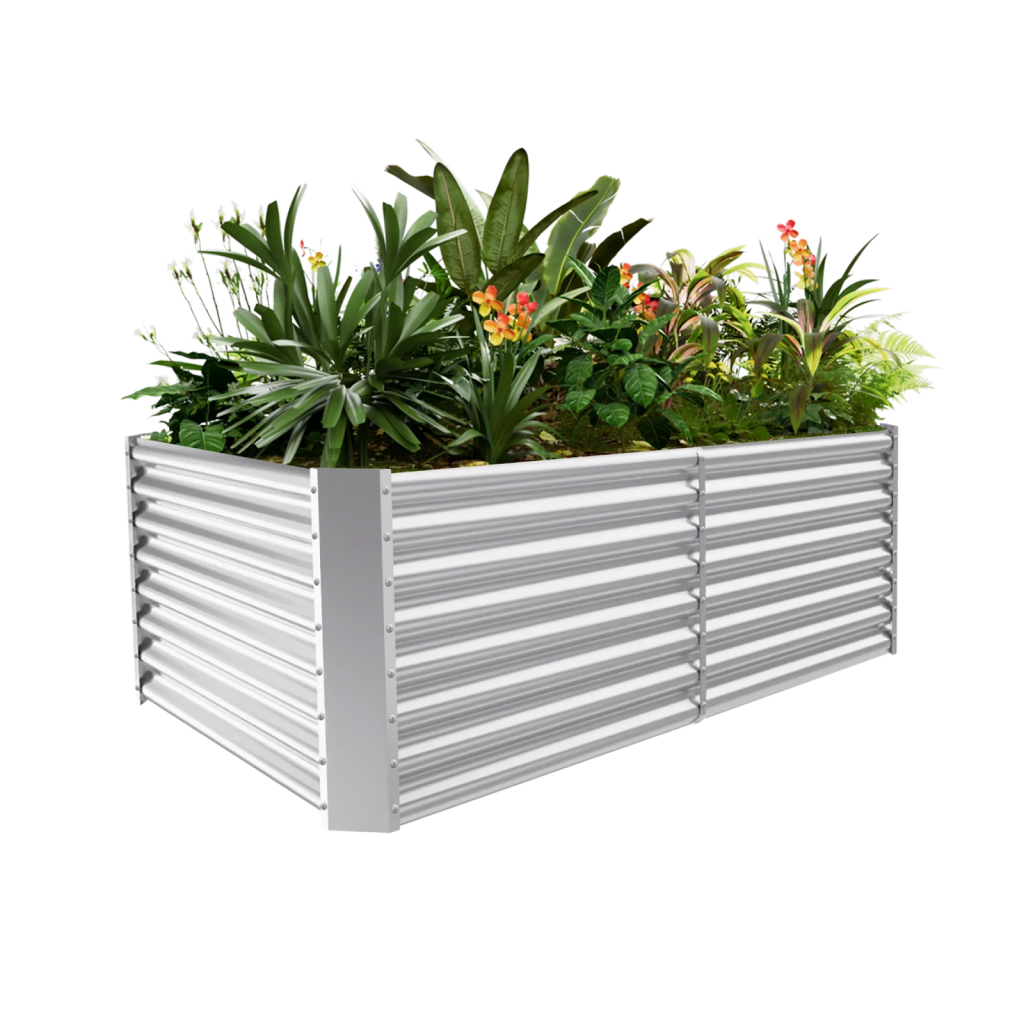
Using credit cards strategically means treating them as tools for convenience and credit building rather than extensions of your income. Charge only what you can afford to pay in full when the statement arrives, which allows you to benefit from purchase protections and rewards without incurring interest charges. For gardeners, this might mean putting your monthly nursery visits or purchases from suppliers like rectangular garden beds from Landguard on a card, then paying the balance immediately from funds already set aside. Avoid the trap of impulse purchases just because credit is available—before buying that expensive pruning system or decorative fountain, wait 48 hours to determine if it’s truly necessary or just appealing in the moment. Spread purchases across multiple cards if needed to keep utilization below 30% on each account rather than maxing out one card. Some gardeners find success designating specific cards for specific purposes: one for business expenses if you sell plants, another for personal gardening supplies, making tracking and budgeting clearer. Take advantage of interest-free promotional periods for larger planned purchases like irrigation systems, but create a payment schedule ensuring you’ll pay the full amount before interest kicks in. Review transactions weekly rather than waiting for monthly statements, which helps you stay aware of spending patterns and catch any unauthorized charges quickly, protecting both your available credit and financial security.
Monitor Your Credit Report
Regular credit report monitoring helps you catch errors, track progress, and identify issues before they damage your financial standing. Access your free annual credit report from each of the three major bureaus—Equifax, Experian, and TransUnion—by staggering requests every four months to maintain year-round oversight without cost. When reviewing reports, verify that all accounts listed actually belong to you and that balances, credit limits, and payment histories are accurate. Errors appear more frequently than many realize, and a mistake showing a missed payment you actually made on time can unfairly lower your score and affect future borrowing ability for significant purchases like property for expanding your garden business. If you spot inaccuracies, dispute them immediately through the bureau’s website with supporting documentation like payment confirmations or account statements. Beyond catching errors, monitoring reveals your credit utilization ratio across all accounts, showing whether you’re maintaining that healthy below-30% threshold. You’ll also see how your score trends over time in response to your financial behaviors—watching it climb as you consistently pay on time provides tangible proof your efforts are working. For gardeners planning major investments like greenhouse construction or vehicle purchases for hauling supplies, checking reports several months in advance allows time to address any issues and optimize your score before applying for loans, potentially securing better interest rates that save thousands over the loan’s lifetime.
Credit Management Tools and Resources
Credit Monitoring Services
Credit monitoring services provide continuous oversight of your credit reports, alerting you to changes that could indicate identity theft or errors affecting your score. Many credit card issuers now offer free monitoring as a cardholder benefit, giving you access to your score and alerts without additional cost—check your account dashboard or contact customer service to activate this feature. Dedicated services like Credit Karma and Credit Sesame provide free access to scores from multiple bureaus along with personalized recommendations for improvement. For more comprehensive protection, paid services such as those offered directly by Equifax, Experian, and TransUnion include daily monitoring across all three bureaus, identity theft insurance, and assistance with dispute resolution. When choosing a service, consider what you actually need—if you’re simply maintaining good credit and want periodic updates, free options suffice, but if you’re actively rebuilding credit or have experienced fraud, paid services offer valuable peace of mind. Set up alerts for specific triggers like new accounts opened in your name, credit inquiries, or significant score changes, which helps you respond quickly to unauthorized activity. For gardeners who may be outdoors and away from computers frequently, ensure your chosen service offers mobile notifications so you stay informed even during busy planting seasons. Review the insights these services provide about factors affecting your score, as they often break down exactly how payment history, credit utilization, and account age contribute to your overall number, helping you prioritize which behaviors to adjust for maximum improvement.
Credit Card Management Apps
Credit card management apps consolidate multiple accounts into one interface, making it easier to track spending, monitor balances, and ensure timely payments across all your cards. Apps like Mint connect to your bank and credit accounts to provide a real-time overview of your financial picture, categorizing transactions automatically so you can see exactly how much you’re spending on gardening supplies versus other expenses. This visibility helps identify spending patterns you might not notice otherwise—perhaps those weekly nursery visits add up to more than you realized, signaling a need to adjust your budget. YNAB (You Need A Budget) takes a proactive approach by helping you assign every dollar a purpose before you spend it, which prevents overspending on credit cards by ensuring purchases align with your actual available funds. For tracking credit utilization specifically, apps like Credit Karma show your current usage percentage across all cards, alerting you when you’re approaching the 30% threshold that could impact your score. Set up payment reminders within these apps or through your credit card issuer’s own app, scheduling notifications several days before due dates to give yourself time to transfer funds if needed. Many apps also offer bill negotiation features and spending insights powered by artificial intelligence that suggest ways to save money or optimize your credit usage. The key is choosing one or two apps that match your needs rather than downloading many that create more complexity than clarity—start with your credit card issuer’s official app for basic management, then add a comprehensive budgeting app if you need deeper financial planning support.
Financial Literacy Courses
Financial literacy courses provide structured education on credit management, budgeting, and long-term financial planning that goes beyond basic tips. Many nonprofit organizations offer free courses both online and in-person—the National Foundation for Credit Counseling provides workshops covering credit basics, debt management, and financial goal setting through local member agencies across the country. Your local library often hosts financial literacy programs or provides free access to online learning platforms like LinkedIn Learning, which offers courses on personal finance topics you can complete at your own pace between gardening tasks. Community colleges frequently offer low-cost personal finance classes that cover credit management comprehensively, and some even provide certificates upon completion that demonstrate your commitment to financial responsibility. For gardeners who prefer self-paced online learning, websites like Khan Academy offer completely free courses on finance and capital markets that explain credit concepts with clear video explanations and practice exercises. If you’re a small business owner selling plants or landscaping services, look for courses specifically addressing business credit, which operates differently from personal credit and requires separate strategies. The Consumer Financial Protection Bureau website provides free educational resources, tools, and guides specifically about credit cards, loans, and credit reports written in accessible language. Investing a few hours in structured learning pays dividends by helping you understand not just what to do, but why certain practices matter, enabling you to make informed decisions about credit that align with your unique financial situation and gardening-related goals rather than blindly following generic advice.
Cultivating Financial Health Alongside Your Garden
Mastering credit management empowers you to pursue your gardening passion without financial strain holding you back. By understanding your credit limits and how they function, you gain clarity about your true spending capacity rather than viewing available credit as extra income. Implementing strategies like paying debts promptly, using cards wisely for planned purchases only, and monitoring your credit report regularly builds a solid foundation that supports both immediate needs and long-term goals. The tools and resources available today—from free monitoring services to budgeting apps and educational courses—make credit management more accessible than ever, requiring just small consistent efforts rather than overwhelming overhauls. Equally important is recognizing and avoiding common mistakes like neglecting monitoring, opening too many accounts impulsively, or dismissing score changes as insignificant. These missteps can quietly undermine years of responsible behavior. As you tend your garden with patience and attention to detail, apply that same care to your financial health. Small actions compound over time—checking your report quarterly, keeping utilization low, and paying on time—gradually strengthening your credit profile and opening doors to better rates and opportunities. Your financial garden deserves the same nurturing as your plants, and with these practical strategies in hand, you’re equipped to cultivate both successfully.
