

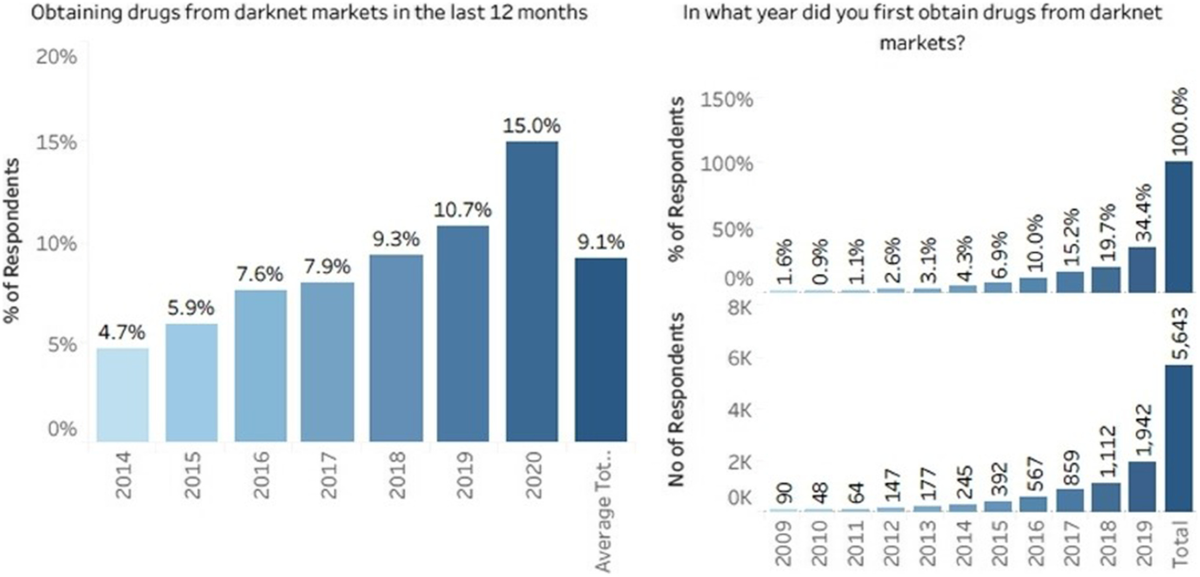
The dark web has increasingly become a significant marketplace for the illicit drug trade. While the surface web hosts legitimate e-commerce platforms, the dark web offers anonymity through encrypted networks, attracting users who wish to buy or sell controlled substances discreetly. But which drugs are most popular, and what drugs do people buy off the dark web can statistics reveal about user behavior? This article explores the types of drugs commonly traded, the patterns of purchasing, and what current research indicates about dark web drug markets.
What Makes the Dark Web Attractive for Drug Transactions?
One of the primary reasons the dark web has become a hotspot for drug sales is anonymity. Users typically access marketplaces through Tor or similar encrypted networks, which hide both location and identity. Payment is often made with cryptocurrencies, adding another layer of privacy. This combination of anonymity and ease of access makes these marketplaces appealing compared to street-level purchases, where risks include law enforcement detection, violence, and inconsistent quality.
Which Drugs Dominate Dark Web Marketplaces?
Statistical analyses of dark web marketplaces consistently show certain substances dominating sales. Researchers analyzing transactions over multiple years have identified a few clear trends:
- Cannabis Products
Cannabis, including both traditional marijuana and THC concentrates, remains the most widely sold drug. This trend is unsurprising given its relatively low cost, high demand, and familiarity to users. Studies indicate that cannabis sales on dark web platforms make up a significant portion of total listings, often exceeding 40% in some marketplaces. - MDMA and Ecstasy
MDMA, often sold in pill or crystalline form, is another popular item. Nightlife and festival culture contribute to its demand, especially in regions where physical access is limited. Statistical reports show MDMA consistently ranks among the top three substances by volume on dark web markets. - Cocaine and Stimulants
Cocaine, along with other stimulants like amphetamines, is frequently traded. While riskier and more expensive, these substances attract buyers who seek their stimulating effects. Data indicates that cocaine listings are less numerous than cannabis but involve higher-value transactions, making it a key revenue driver for sellers. - Psychedelics
Psychedelic drugs, including LSD, psilocybin mushrooms, and DMT, have seen growing popularity. Users often seek these substances for recreational and therapeutic experiences. Statistics from various dark web reports show a steady increase in psychedelic-related listings over the past decade, reflecting broader trends in societal interest in alternative treatments and experiences. - Prescription Drugs
Prescription medications, particularly opioids, benzodiazepines, and stimulants, are increasingly available. The convenience of bypassing medical channels makes these drugs attractive to users who might otherwise struggle to access them legally. Data indicates that opioids like oxycodone and fentanyl are frequently listed, often packaged in small quantities for discreet shipment.
What Are the Key Trends in Dark Web Drug Sales?
Understanding drug popularity involves more than counting listings. Researchers also track trends in buyer preferences, shipment volumes, and pricing structures. Some notable patterns include:
- Shift Toward Digital Communication: Many marketplaces now include encrypted messaging systems, allowing buyers and sellers to communicate directly. This trend increases transaction security but also changes the dynamics of how drugs are marketed.
- Price Sensitivity: Pricing patterns show that cannabis and MDMA tend to have stable prices due to high volume, while less common drugs like LSD or prescription opioids can fluctuate widely depending on scarcity and region.
- Geographical Trends: Buyers and sellers often cluster in specific regions. Europe and North America dominate high-volume transactions, while Asia is emerging as both a source and destination for certain stimulants and synthetic drugs.
- Quality and Review Systems: Similar to legitimate e-commerce, dark web marketplaces frequently use vendor ratings and reviews. High-quality products with reliable delivery attract repeat customers, influencing which drugs become more popular over time.
How Do Users Choose Which Drugs to Buy?
Several factors influence user decisions on the dark web. Statistical surveys of anonymous users reveal that safety, price, and perceived quality rank as the top considerations. Additionally, availability plays a major role—if a drug is scarce or difficult to obtain locally, users are more likely to seek it online. Social influences, including peer recommendations and community forum discussions, also drive choices.
Are There Emerging Substances Gaining Popularity?
Yes, the dark web is often a testing ground for new psychoactive substances (NPS). These drugs mimic the effects of traditional substances but may have altered chemical structures. Statistics show a gradual rise in NPS listings, although volumes are still lower than traditional drugs. The popularity of these substances is fueled by curiosity, the desire to avoid legal penalties, and sometimes the appeal of experimentation.
What Do Data Say About Market Size and Volume?
Recent research combining marketplace scraping, forum analysis, and law enforcement reports estimates that dark web drug markets handle millions of transactions annually. Cannabis consistently accounts for the majority of volume, but high-value drugs like cocaine, MDMA, and opioids contribute disproportionately to total revenue. Market analyses suggest that fluctuations in availability, law enforcement actions, and cryptocurrency valuations directly affect transaction numbers.
How Are Dark Web Marketplaces Evolving?
Over the past decade, dark web drug markets have evolved significantly. Marketplaces have become more professional, with secure logistics, quality guarantees, and customer support systems. Statistical tracking shows that after high-profile shutdowns of platforms like Silk Road, users migrate to smaller, decentralized alternatives. This adaptability ensures that popular drugs remain accessible despite regulatory and enforcement pressures.
What Are the Risks Associated With Dark Web Drug Purchases?
While anonymity is a major attraction, risks are considerable. Users face potential law enforcement action, scams, and exposure to low-quality or dangerous substances. Statistical analyses of forum complaints and law enforcement seizures indicate that mislabeling, adulteration, and package interception are common issues. These risks, combined with potential health consequences, underscore the dangers of illicit drug purchases online.
Conclusion: Understanding Drug Popularity Through Statistics
The dark web continues to serve as a dynamic marketplace for illicit drugs. Cannabis, MDMA, cocaine, psychedelics, and prescription medications dominate sales, with emerging trends highlighting new psychoactive substances. Statistical analyses reveal patterns in user behavior, pricing, and geographical distribution, offering valuable insights into what drives popularity. While these markets evolve to offer greater convenience and perceived security, the inherent risks remain high. Monitoring trends and understanding user preferences provide a clearer picture of dark web drug activity, helping policymakers, researchers, and public health professionals address the challenges associated with online drug markets.
