

Introduction;
The coil coating and industrial coatings sectors are undergoing a remarkable transformation, driven by innovative technologies. As manufacturers seek better solutions for durability, aesthetics, and functionality, the demand for advanced coatings is skyrocketing. From residential buildings to automotive parts, these coatings play a significant role in various applications.
What is Coil Coating?
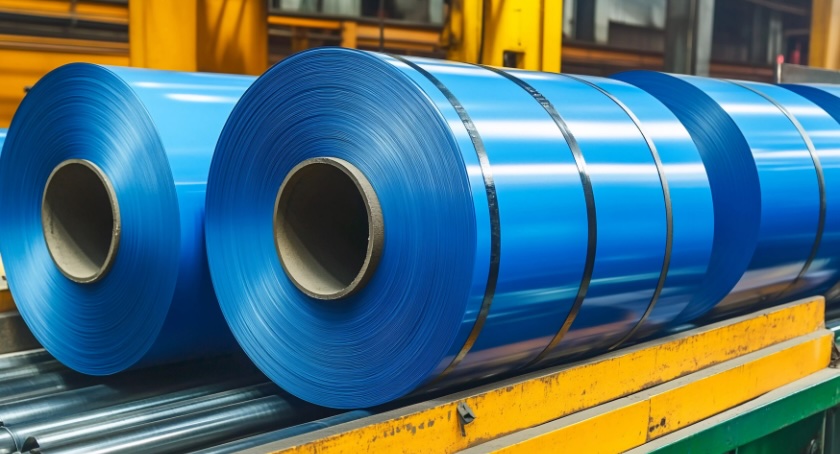
Coil coating is a process that applies a protective layer of paint or finish to metal coils. This technique is essential in industries where durability and aesthetics are key. The method involves pre-treating the metal surface, which enhances adhesion. Afterwards, the coil undergoes continuous painting. The application may include one or multiple layers for added protection.
Once coated, the material is cured using heat or ultraviolet light. This curing process ensures that the paint bonds effectively with the substrate . Coil-coated materials often find their way into construction, automotive, and appliance manufacturing sectors. Their versatility makes them suitable for various applications while providing long-lasting finishes that withstand harsh environments.
What are Industrial Coatings?
Industrial coatings are specialised layers applied to various substrates to enhance durability and performance. These coatings serve multiple purposes, including protection from corrosion, wear, and environmental factors. They can be found on surfaces like metal, concrete, wood, and plastics. The choice of coating depends on the intended use and desired properties. Some offer heat resistance while others provide chemical stability.
Different technologies create industrial coatings. Among them are epoxy, polyurethane, and polyester options. Each type has unique strengths tailored for specific applications in manufacturing or construction. With advancements in formulation technology evolving rapidly, the potential applications for industrial coatings continue to expand across sectors like automotive, aerospace,and marine industries—showcasing their vital role in modern manufacturing processes.
Comparison between Coil Coating and Industrial Coatings
Coil coating and industrial coatings serve distinct purposes in the manufacturing landscape. Coil coating is primarily used on metal substrates, where coils of material are coated before they are shaped into products. This method ensures a uniform finish and efficient production.
In contrast, industrial coatings apply to various surfaces and materials beyond metals. Coil coating used in manufacturing helps create durable, uniform finishes on metal surfaces before they are formed into final products. They protect against abrasion, corrosion, and environmental factors. The application methods can vary widely depending on the substrate. While coil coating offers a continuous process that minimises waste, industrial coatings often require more intensive labour and time for application.
Durability also differs; coil-coated products typically have longer-lasting finishes due to controlled environments during processing. Industrial coatings may provide specific performance characteristics tailored to individual needs, but could compromise speed in production. Ultimately, selecting between these options depends on project requirements, desired finish quality, and production efficiency.
Emerging Technologies in Coil Coating and Industrial Applications
Emerging technologies are revolutionising the coil coating and industrial applications landscape. One notable innovation is nano-coatings, which leverage nanoparticles to enhance surface properties. These coatings can provide increased durability while maintaining a lightweight profile.
- Nano-Coatings
Nano-coatings are revolutionising the coil coating industry. These ultra-thin layers, crafted from innovative nanomaterials, offer enhanced properties that traditional coatings cannot match. One of the standout features of nano-coatings is their remarkable durability. They can withstand harsh environmental conditions while providing exceptional protection against wear and tear. This makes them ideal for various industrial applications.
Moreover, their hydrophobic qualities repel water and contaminants effectively. Surfaces coated with these materials remain cleaner for longer periods, reducing maintenance costs significantly.
- UV-Curable Coatings
UV-curable coatings are revolutionising the industrial landscape. These innovative formulations use ultraviolet light to quickly cure and harden, offering a rapid processing time that traditional methods can’t match.
One of their standout features is efficiency. The curing process occurs almost instantly, reducing production times significantly. This leads to increased throughput and cost savings for manufacturers. Moreover, UV-curable coatings boast excellent durability. They provide a robust barrier against scratches and environmental factors while maintaining vibrant colours and finishes. These coatings also contribute to sustainability efforts. With lower volatile organic compound (VOC) emissions compared to conventional options, they help create safer working environments.
- Self-Healing Coatings
Self-healing coatings are a remarkable innovation in the realm of industrial applications. These advanced materials possess the unique ability to repair themselves when damaged. Imagine scratches or small abrasions disappearing without intervention. The mechanism behind self-healing relies on embedded microcapsules filled with healing agents. When a coating is compromised, these capsules break open and release their contents, effectively filling in the gaps. This process not only extends the lifespan of surfaces but also maintains aesthetic appeal.
- Anti-Microbial Coatings
Anti-microbial coatings are a groundbreaking innovation in the industrial landscape. These specialised coatings contain agents that inhibit the growth of bacteria, mould, and other harmful microorganisms.
This technology is particularly crucial in environments where hygiene is critical. Hospitals, food processing facilities, and public transportation benefit immensely from surfaces that resist microbial colonisation. The applications extend beyond health-related fields. Anti-microbial properties can enhance the longevity of products used in everyday life—think kitchen countertops or bathroom fixtures designed to stay cleaner for longer.
How are these technologies impacting the Industry?
Emerging technologies are revolutionising the coil coating and industrial applications landscape. Nano-coatings, for instance, enhance durability while reducing weight. This innovation allows manufacturers to create lighter products without sacrificing strength.
UV-curable coatings are making waves, too. They streamline production processes by speeding up curing times. This efficiency can lead to cost savings and increased output. Exploring Industrial Coatings Applications and Future Trends helps businesses understand new technologies, sustainability improvements, and evolving performance standards in the coatings industry. Self-healing coatings offer a fascinating solution to wear and tear. Imagine surfaces that can repair themselves after damage, extending the life of coated products significantly.
Anti-microbial coatings are gaining traction as well, particularly in environments where hygiene is crucial. These coatings help prevent bacterial growth on surfaces, promoting safety in public spaces. High-performance coatings push boundaries further by providing exceptional resistance against harsh conditions. Their application spans various industries, from automotive to construction, proving their versatility and reliability in tough settings.
Future Trends in Coil Coating and Industrial Applications
The landscape of coil coating and industrial applications is rapidly evolving. One notable trend is the push for sustainability. Manufacturers are increasingly seeking environmentally friendly solutions that reduce waste and energy consumption.
Sustainability and Environmentally Friendly Solutions:
Sustainability is no longer just a trend; it’s becoming essential in industrial applications, including coil coating. Manufacturers are increasingly focused on reducing their environmental footprint.
Eco-friendly coatings are gaining traction due to their lower volatile organic compounds (VOCs). These products not only meet regulatory standards but also appeal to environmentally conscious consumers. Innovations like water-based and plant-derived formulations contribute significantly to sustainability efforts. Such alternatives minimise harmful emissions while maintaining performance standards.
Digitalisation and Automation:
Digitalisation and automation are transforming the coil coating industry. Smart technologies streamline production processes, reducing manual intervention. With real-time data analysis, manufacturers can monitor equipment performance and quality control more effectively. This leads to faster decision-making and fewer errors in the coating process. Automated systems enhance precision during application. They ensure uniform coatings and minimise waste, which is crucial for sustainability efforts.
Customisation and Personalisation:
Customisation and personalisation are becoming fundamental in coil coating and industrial applications. Businesses increasingly recognise that one-size-fits-all solutions no longer meet diverse market needs. Modern technology allows manufacturers to tailor coatings for specific requirements, whether it’s unique colours, textures, or performance characteristics. This adaptability fosters creativity in design while ensuring products can withstand various environmental challenges.
Customers also demand a more personalised experience. Manufacturers who offer customisation options not only enhance customer satisfaction but also build stronger relationships. Clients want their branding reflected in the materials they use. As industries evolve, the emphasis on individualised approaches will reshape how coil coatings are developed and applied across sectors. The future is all about standing out while meeting functional demands seamlessly.
Conclusion:
The coil coating and industrial applications landscape is rapidly evolving. Emerging technologies are setting new standards for efficiency, durability, and performance. As industries adapt to these innovations, we can expect a significant transformation in how products are coated and protected.
Sustainability has become a key focus area. Companies are increasingly seeking environmentally friendly solutions that reduce waste and energy consumption while maintaining the quality of their coatings. Digitalisation is also making waves; automation streamlines processes, enhances precision, and allows for real-time monitoring of production lines. As these trends continue to unfold, the potential impact on the coil coating industry—and beyond—is immense. New materials will emerge alongside innovative application techniques that further improve product longevity and functionality. The future looks bright for those ready to embrace change!
