

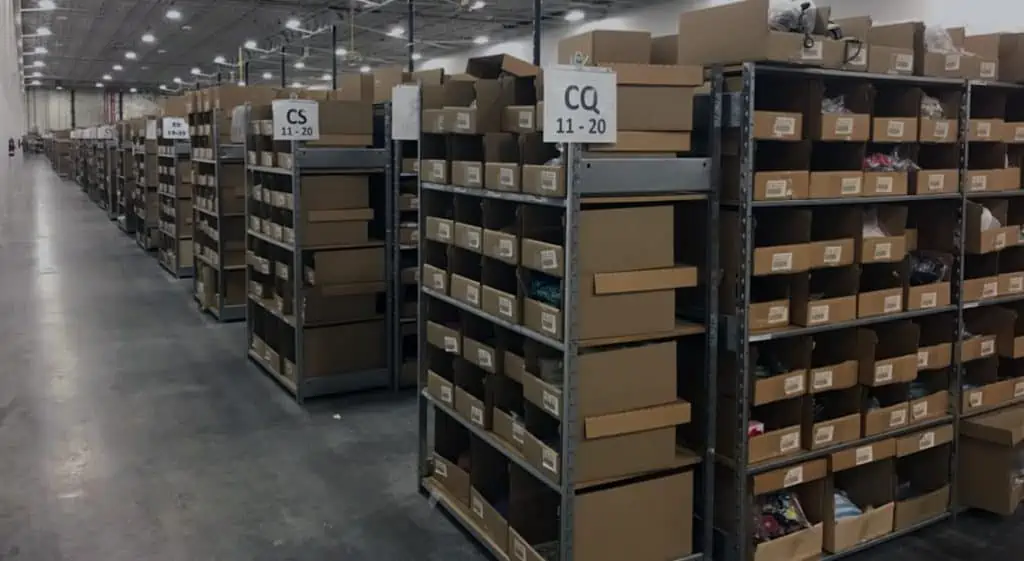
Shelving shapes how a warehouse operates. Effective shelving makes items easier to reach, keeps aisles clear, and prevents teams from having to hunt for products that should be in plain sight. The right system supports daily flow instead of creating extra steps. The wrong shelves create chaos. Choosing good shelving starts with understanding how your inventory behaves.
What’s Going On
Your shelving plan comes into focus once you look at how your inventory behaves. Size and weight play a role, but movement patterns shape the real decisions.
Small parts disappear into the wrong bins when the system doesn’t support quick visual checks, so they work better on narrow shelves or units built for bins and dividers. Oversized cartons need deeper, reinforced shelves that prevent awkward stacking and bending.
Frequency of access matters just as much, if not more. Fast-moving items belong at a comfortable working height where teams can find them and grab them without breaking rhythm. Slow-moving or seasonal stock can sit higher or deeper because it doesn’t interrupt daily flow. In short, your most used items deserve prime storage spots.
You also want to consider how products enter and exit the space. Batch picking often calls for wider shelves or staging areas. Single-item picks need more segmentation so nothing gets misplaced.
Once you understand those patterns, the right shelving options become easier to spot.
Common Shelving Options
Once you have a solid handle on the kinds of inventory you’re storing and how it all needs to move through your space, it’s time to start considering your options.
Boltless Shelving
A boltless system works well for warehouses that carry boxed goods, tools, or small equipment. Its snap-together design allows fast installation without nuts or bolts, and adjustments take minutes instead of hours. A parts department might use boltless shelving to keep accessories visible and organized. A maintenance room might use it for labeled bins and everyday supplies. It’s one of the easiest systems to expand as inventory changes.
Steel Shelving
Heavier products require reinforced metal construction for safety. Steel shelving provides the strength to support items that exceed the load capacity of lighter systems. It’s often used in environments with dense stock, such as automotive components, hardware, or packaged goods that ship frequently. Shelves adjust in tight increments, which helps when you’re storing odd-sized items that don’t fit neatly into fixed openings. This setup also creates a cleaner, more polished look for areas with heavy foot traffic.
Wire Shelving
Coolers, distribution hubs, and environments sensitive to dust rely on wire systems. Air moves freely through wired shelves, which reduces moisture buildup and keeps products cleaner. Teams often use wire shelving for food packaging supplies, pharmaceuticals, and other items that benefit from visibility on all sides. The open design makes it easier to see what’s running low, which helps with restocking.
Industrial Rack Shelving
Some warehouses need the strength of pallet racking without the footprint. Industrial rack shelving creates deep, load-bearing storage for bulky cartons or oversized items that don’t require full pallet positions. A shipping department might use this system to stage outgoing orders. A furniture warehouse might store boxed chairs, tables, or fixtures on these shelves because they can handle the weight without sagging. This system supports teams managing both storage and material handling in the same footprint.
Match the System to your Workflow
Any shelving option performs better when it aligns with how your team works. A well-chosen shelving system makes the warehouse easier to navigate and maintain. It improves visibility, safety, and material handling speed without forcing your team to change how they already work. That’s the sign you picked the right setup.
