

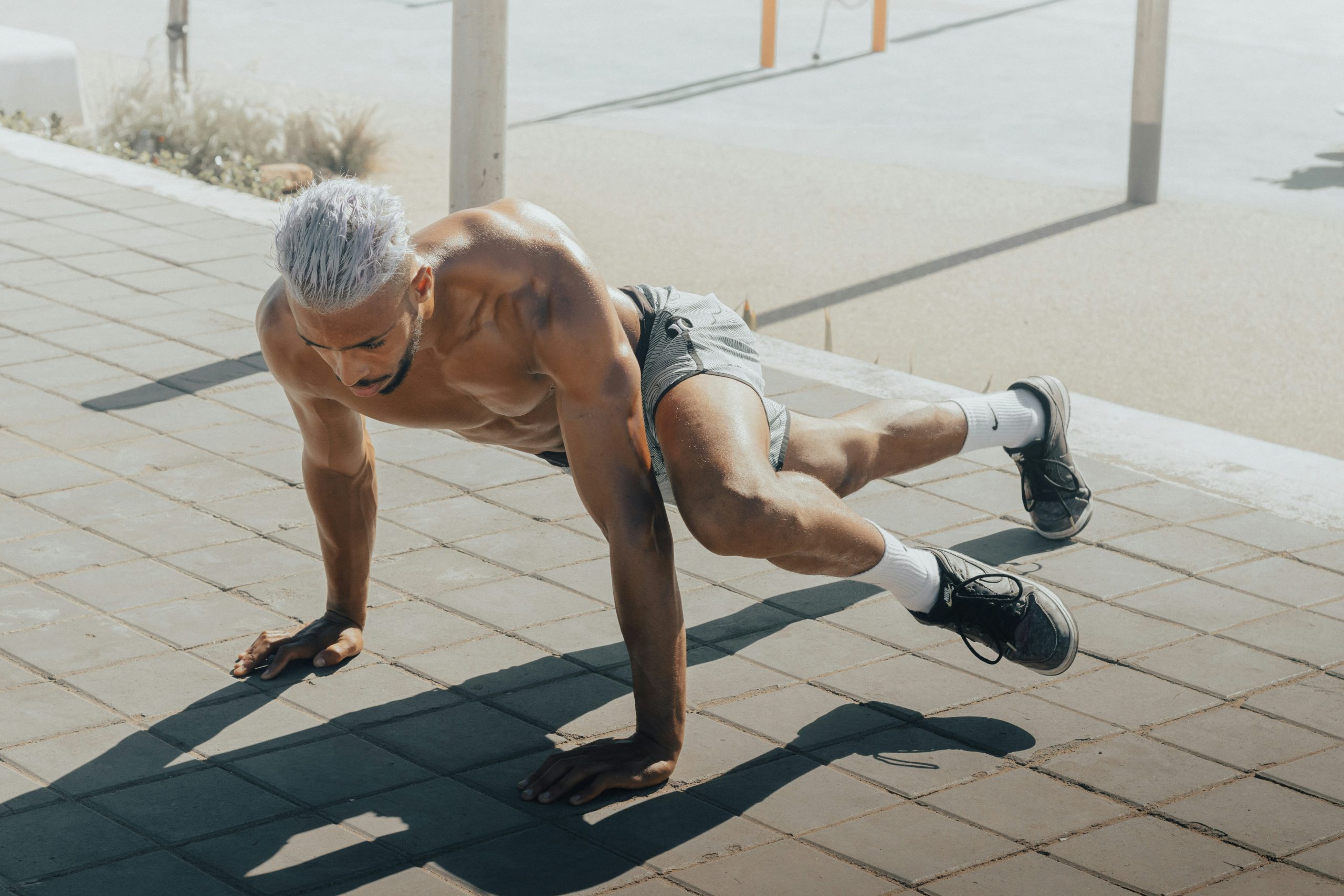
When people finally hit their 60s, the first thought that comes to mind is that it is finally time to slow down and somewhat resign to a more sedentary lifestyle. But the truth is: this is the time for you to become more active than ever. The choices you make now about movement, exercise, and daily habits will seriously determine how much independence you get to maintain in the years to come. When you keep moving, you keep living – it’s that simple. So if you’re wondering what you can do to protect your health and well-being, read on as we explore the best strategies to help you stay independent.
Why does staying active after 60 matter so much?
Our bodies tend to undergo a combined decline after 60, affecting many aspects of our health at once. For one, our rate of muscle decline tends to accelerate significantly after this age, and it not only affects your strength but also your ability to perform everyday tasks with ease.
There’s also the issue with bone density. Unless you’re engaging in some weight-bearing activity on a regular basis, chances are that your bones may start to turn fragile, thereby increasing the risk of fractures from even minor falls. In a similar vein, the joints in your hips and knees also become more susceptible to osteoarthritis, a condition in which the cartilage that cushions your bones wears down over time, leading to pain and stiffness that limit movement.
Outside of these things, there are still many problematic health issues that you need to be aware of, from heart diseases, diabetes, to certain cancers. Not to mention how you also need to keep your mental health in check at all times, as it is natural for the realities of aging to make you confront your mortality. When that happens, some people tend to become discouraged or downright nihilistic, simply awaiting the eventual demise. But that just should not be the case – this stage of life can still be meaningful and fulfilling, even in the face of new challenges.
How can you build an effective exercise routine after 60?
When people read up on working out after 60, they often end up with the misconception that you need to keep pushing yourself to exhaustion to recapture your youth. But the only things that matter when working out are consistency, variety, and simply listening to your body. The WHO clearly states that the only thing you need to do to stay healthy is to exercise moderately for at least 150 minutes every week – nowhere does it say it needs to be so intense that you exhaust yourself by the end of a session.
As for how you do it, it’s simple: Your exercise routine should include four main components. Aerobic exercise, strength training, flexibility work, and balance exercises. Each plays a distinct role in maintaining your independence. For aerobic exercise, walking, swimming, cycling, or even dancing is more than enough to get your heart rate up without putting excessive strain on your joints. Strength training, on the other hand, helps you maintain your muscle mass and bone density. While a mix of wall push-ups, chair squats, and leg raises is all it takes to get this done, if you want to give weights a try, start with just 1-2 pounds and focus on proper form over weight. That said, all this can potentially go to waste if you don’t sandwich them with flexibility exercises to prevent stiffness and maintain your full range of motion, so make sure you’re keeping your flexibility in check, too.
How can you best protect your hips from falls?
The hips tend to become a real trouble spot for many people in their senior years, and hip problems are among the main reasons people lose their independence later in life. Hip fractures, in particular, can basically be life-changing and make it much harder to move around on your own.
The good news is that you can prevent most hip problems by staying active and making a few changes at home. It’s just good practice to clear away any tripping hazards at home, like loose rugs or clutter, and to ensure your rooms are well-lit. Similarly, installing grab bars in the bathroom can make your home much safer.
But at the end of the day, this is simply one of the many hip-related issues that you may experience in your 60s. If you find yourself facing hip pain, stiffness, or noticing that your mobility is declining despite an active lifestyle, don’t ignore it or try to tolerate it. The sooner you get down to fixing these issues, the better, so make sure to consult a hip specialist in London as soon as possible to explore all the options for your situation.
What are some common health obstacles you need to overcome after 60?
Despite everything discussed so far, the reality is that things are rarely so easy at this age milestone, from staying safe to exercising consistently. Everything requires a lot of precaution, and what’s more likely is that you’ll face obstacles in a lot of your attempts at staying active.
Pain or discomfort is often the first thing that stops people from moving more. But thankfully, gentle movement can actually help this problem over time. To fix this, start slow and pick only low-impact activities that don’t worsen your symptoms. For example, if you have arthritis, swimming or water aerobics are great ways to exercise without putting extra stress on your joints.
Another big worry is falling and losing your mobility. If you find yourself constantly worrying about your balance, start with seated exercises or use a sturdy chair or countertop for support when you do any standing workouts. You might also want to join exercise classes made for older adults, given that these instructors know how to adapt exercises to fit your needs and help you feel more confident.
Don’t forget about your mental health and motivation, either. The real trick is to find activities you actually enjoy. If you don’t like the gym, skip it. Go for a walk outside, try a dance class, play with your grandkids, or get into gardening. What matters most is that you’re staying active in a way that feels good to you.
Making your new lifestyle sustainable for the long term
Before we finish, there’s one last thing left to discuss. These strategies only work if you stick with them, and the best way to do so is by taking it slow. Don’t try to change everything at once. So, start with one or two small habits, and once those feel normal, add another to the mix. Over time, these small steps will add up to big improvements in your health.
While you’re at it, track your progress in whatever way feels comfortable, whether with a diary, an app, or even scribbles on a calendar. You could also find an exercise partner or join a group to stay active, as having someone to hold you accountable can keep your motivation levels high at all times. Plus, as you age, maintaining social connections becomes just as important as physical activity for overall health and well-being.
Even more importantly, just be patient with yourself. A person’s lifestyle is not something that can transform overnight, and, worse yet, many days may be harder than others. Just give your body enough time for recovery and keep at it. Keep showing up, do what you realistically can, and remember: whatever steps you take right now are a tremendous investment in your ability to live well for years to come.
