

Public pathway lighting serves as the backbone of safe, welcoming communities after dark. Well-designed illumination transforms pedestrian corridors into secure spaces that encourage evening activity while showcasing architectural and landscape features. Yet municipal planners face a persistent challenge: identifying fixtures that deliver reliable performance year after year without draining maintenance budgets or compromising public safety. Poor lighting choices cascade into costly consequences—frequent bulb replacements, fixture corrosion, inadequate visibility that increases accident risk, and citizen complaints about dark spots. The stakes are particularly high for pathways serving schools, parks, transit stations, and downtown districts where foot traffic peaks during evening hours. This guide cuts through the complexity of selecting outdoor lighting systems built to withstand harsh weather while providing consistent, energy-efficient illumination. You’ll discover how to evaluate fixture types, decode durability specifications, and implement a selection process that balances upfront investment with decades of dependable service. By following these proven strategies, you’ll make confident decisions that protect both pedestrians and public funds.
Understanding the Core Requirements for Public Pathway Lighting
Effective public pathway lighting serves two fundamental purposes: ensuring pedestrian safety through adequate visibility and enhancing the visual character of community spaces. Municipal planners must balance these objectives while addressing technical performance standards that directly impact user experience. Proper illumination levels prevent trips and falls, deter criminal activity, and provide psychological comfort that encourages residents to use public spaces after sunset. Simultaneously, thoughtfully designed lighting accentuates architectural details, landscaping, and wayfinding elements that define a community’s identity.
Performance criteria extend beyond simple brightness measurements. Light distribution patterns determine whether pathways receive uniform coverage or suffer from dangerous dark zones between fixtures. Uniformity ratios—the relationship between maximum and minimum illuminance levels—should typically remain below 4:1 to avoid harsh contrasts that impair vision adaptation. Equally important is controlling light trespass and upward spill that contributes to sky glow, wasting energy while disrupting ecosystems and obscuring night skies.
The true cost of pathway lighting emerges over decades, not at purchase. Lifecycle cost analysis accounts for energy consumption, lamp replacement frequency, fixture cleaning, and eventual system replacement. A fixture with a modest purchase price but poor weather resistance may require replacement within five years, while a premium weather-resistant system delivers fifteen years of reliable service. This long-term perspective transforms lighting selection from a procurement task into a strategic infrastructure investment that shapes community livability and fiscal health for generations.
Evaluating Key Lighting Fixture Types: Post Top Lights and Beyond
Public pathways demand fixtures tailored to their specific context, with post top lights standing as the most versatile choice for formal pedestrian corridors. These classic fixtures mount atop poles ranging from 10 to 14 feet, casting light downward and outward in controlled patterns that illuminate walkways without creating harsh shadows. Their elevated position makes them ideal for main thoroughfares, park promenades, and historic districts where traditional aesthetics matter. The housing design—whether acorn-style globes, lantern silhouettes, or contemporary cubes—allows municipalities to reinforce architectural themes while meeting illumination standards. Post top lights excel in areas requiring 360-degree distribution and where vandalism resistance benefits from elevated placement beyond easy reach.
Bollard lights serve complementary roles in pedestrian zones requiring subtler guidance. Standing 36 to 48 inches tall, these fixtures define pathway edges, mark transitions between spaces, and provide wayfinding without dominating sightlines. They work particularly well in plazas, residential greenways, and areas where preserving nighttime views takes precedence. For intimate garden paths or accessibility ramps, low-level step lights recessed into walls or railings offer targeted illumination that enhances safety without light pollution. The most effective pathway lighting schemes layer these fixture types strategically—post top lights establishing primary visibility along main routes, bollards reinforcing edges and secondary paths, and accent fixtures highlighting specific features or hazards that require visual emphasis.
The Advantages of Modern Outdoor LED Lights
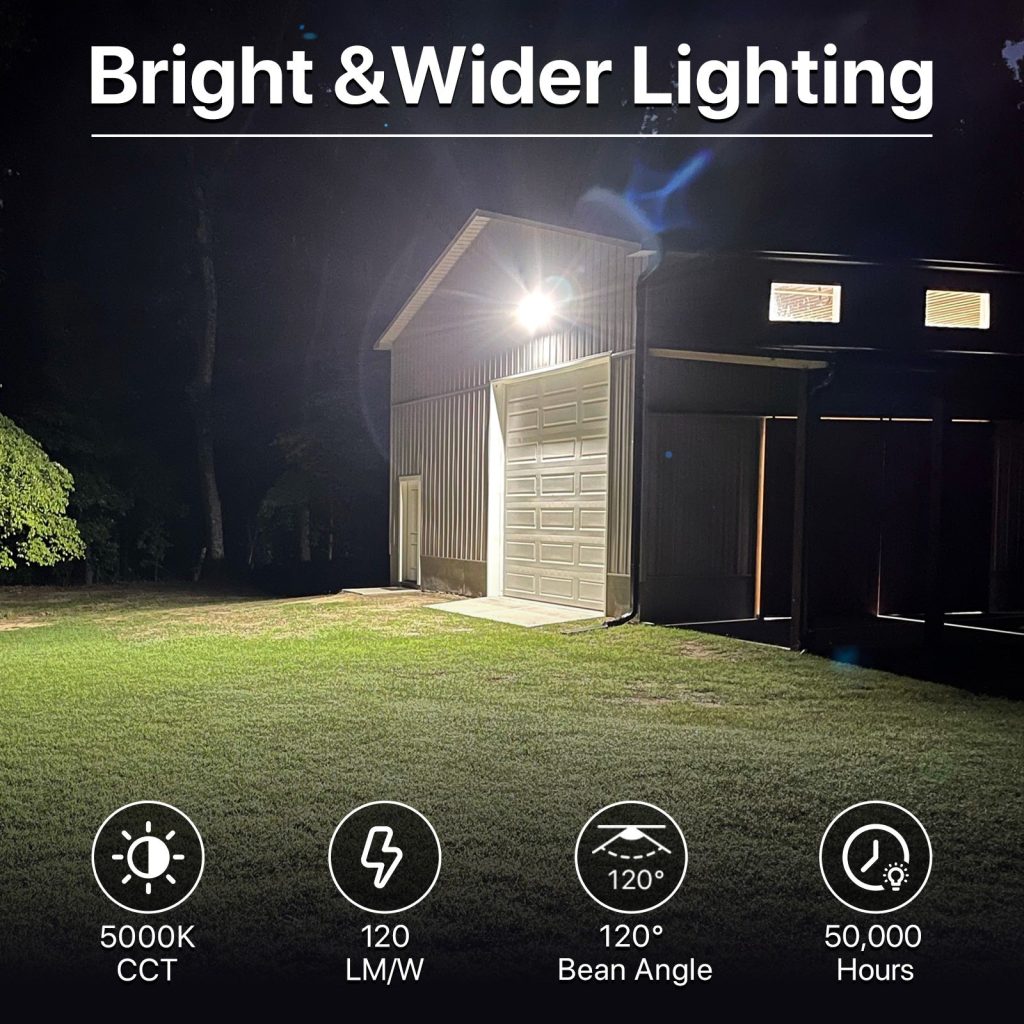
LED technology has fundamentally transformed public lighting economics and performance capabilities. Energy consumption drops by 50-75% compared to legacy high-pressure sodium or metal halide systems, translating to substantial utility cost reductions across entire pathway networks. A typical 60-watt LED fixture replaces a 150-watt conventional lamp while delivering equivalent or superior illumination, with operational lifespans exceeding 50,000 hours—roughly 15 years of nightly use before requiring replacement. This longevity slashes maintenance labor costs, particularly valuable for fixtures in difficult-to-access locations or where lane closures disrupt traffic.
Beyond efficiency, LEDs provide superior light quality through high color rendering indices that improve facial recognition and surface texture visibility—critical factors for security and wayfinding. Instant-on capability eliminates warm-up delays, while inherent controllability enables dimming schedules and smart city integration that adapts illumination to real-time occupancy patterns. Thermal management remains the primary design consideration; quality fixtures incorporate heat sinks and ventilation that prevent premature LED degradation. While LED systems command higher upfront investment, total cost of ownership calculations consistently favor LED adoption when evaluated over standard municipal planning horizons of 10-20 years, making them the financially prudent choice for pathway infrastructure.
The Critical Importance of Weather-Resistant Fixtures
Durability stands as the single most critical factor determining whether pathway lighting delivers decades of reliable service or becomes a recurring budget drain. Weather-resistant fixtures withstand relentless environmental assault—driving rain that infiltrates poorly sealed housings, freeze-thaw cycles that crack inferior materials, ultraviolet radiation that degrades plastics and finishes, and corrosive salt spray in coastal municipalities. The distinction between “weather-resistant” and “weatherproof” lies in internationally recognized Ingress Protection (IP) ratings that quantify a fixture’s defense against solid particles and moisture intrusion. An IP65 rating indicates complete dust protection and resistance to water jets from any direction, making it suitable for most pathway applications. Coastal or flood-prone areas demand IP66 or IP67 specifications that withstand powerful water jets and temporary submersion. Impact resistance receives separate classification through IK ratings, with IK08 (capable of withstanding 5 joules of impact) representing the minimum threshold for public spaces vulnerable to vandalism or accidental contact.
Material selection directly determines longevity under environmental stress. Marine-grade aluminum alloys resist corrosion while maintaining structural integrity through temperature extremes, though they require powder-coat finishes for optimal protection. Stainless steel offers superior corrosion resistance for harsh coastal environments but commands premium pricing. Housing components like lenses and diffusers should utilize impact-resistant polycarbonate rather than acrylic or glass, as polycarbonate maintains optical clarity while resisting shattering and UV degradation. Gasket materials separating housing components must maintain elasticity across temperature ranges; silicone outperforms rubber seals that harden and crack over time. These material investments translate directly into reduced total cost of ownership—a properly specified weather-resistant fixture operating fifteen years without housing replacement delivers far greater value than three generations of budget alternatives requiring premature replacement due to corrosion failure or moisture infiltration that destroys electrical components.
A Step-by-Step Guide to Selection and Implementation
Successful pathway lighting projects follow a disciplined methodology that transforms requirements into functional infrastructure. Begin with comprehensive site assessment—walk pathways during evening hours to identify existing dark zones, measure spacing between potential fixture locations, and document environmental conditions like tree canopy coverage that affects light distribution. Map pedestrian traffic patterns to distinguish primary routes requiring continuous illumination from secondary paths where strategic lighting suffices. Establish illumination standards appropriate to pathway classification: main thoroughfares typically require 5-10 footcandles of maintained horizontal illuminance, while residential greenways function adequately at 1-3 footcandles. Document these findings in zone maps that guide specification development.
Specification development demands rigorous attention to technical datasheets. Prioritize IP ratings matching your environmental exposure—IP65 minimum for standard applications, IP66+ for coastal zones. Verify IK08 impact resistance for vandalism-prone areas. Select color temperatures between 3000K-4000K that balance visibility with visual comfort; avoid cool white LEDs above 5000K that create harsh, institutional atmospheres. Calculate required lumen output based on mounting height, spacing, and target illuminance levels, accounting for 30% depreciation over fixture lifespan. Scrutinize warranty terms—reputable manufacturers like Led Hyperlite offer minimum five-year coverage on LED drivers and ten years on housing components. Request photometric test reports from independent laboratories confirming claimed performance rather than relying solely on marketing literature.
Pilot installations validate specifications before committing to network-wide deployment. Install a representative 200-300 foot section incorporating your selected fixtures at proposed spacing intervals. Conduct illuminance measurements at ground level using calibrated light meters, recording readings at midpoints between fixtures to verify uniformity ratios. Solicit feedback from maintenance crews regarding installation complexity and access for future servicing. Observe the installation through multiple weather events and seasonal conditions over 60-90 days, inspecting for moisture infiltration, finish degradation, or optical performance changes. This evaluation period identifies specification adjustments before scaling to full implementation.
Installation quality determines whether premium fixtures achieve their design lifespan. Ensure electrical connections utilize corrosion-resistant terminals with dielectric grease in coastal environments. Verify pole foundations meet wind load calculations and frost depth requirements to prevent tilting. Establish proactive maintenance protocols: semi-annual inspections checking gasket integrity and lens clarity, annual cleaning to remove accumulated debris that reduces light output, and systematic photometric testing every three years to identify fixtures requiring lamp replacement or optical component restoration. This structured approach transforms lighting selection from procurement guesswork into engineered infrastructure that delivers predictable, long-term performance.
Budgeting and Long-Term Value Considerations
Financial planning for pathway lighting requires distinguishing between capital expenditure and operational costs that unfold over decades. A conventional fixture priced at $300 with annual energy costs of $85 and lamp replacements every three years accumulates $1,850 in expenses over fifteen years. A premium LED weather-resistant system at $750 consumes $25 annually in energy with no lamp replacements during the same period, totaling $1,125—a 40% savings despite the higher purchase price. This lifecycle cost modeling should incorporate maintenance labor rates, which often exceed material costs when factoring in crew mobilization, traffic control, and equipment rental for elevated fixture access.
Municipalities facing budget constraints can pursue phased implementation strategies that prioritize high-traffic corridors and areas with documented safety concerns. Federal and state grant programs frequently support energy-efficient lighting upgrades, particularly projects demonstrating measurable reductions in carbon emissions and utility consumption. Regional consortiums allow smaller municipalities to leverage collective purchasing power for volume discounts on standardized specifications. Some jurisdictions structure financing through energy service performance contracts where guaranteed utility savings fund upfront capital investment. The critical insight remains constant across all funding approaches: durable, weather-resistant fixtures represent strategic infrastructure investments rather than commodity purchases. Selecting systems engineered for fifteen-year service life protects public funds far more effectively than repeatedly replacing budget alternatives that fail prematurely, drain maintenance budgets, and compromise the safety and livability that pathway lighting exists to provide.
Building Safer Communities Through Strategic Lighting Investment
Selecting durable lighting outdoor security for public pathways rests on four interconnected pillars: clearly defining safety and aesthetic requirements, understanding how fixture types like post top lights serve specific contexts, leveraging LED technology’s efficiency and longevity advantages, and prioritizing weather-resistant construction that withstands environmental assault. These elements combine to transform lighting from a simple procurement decision into a strategic infrastructure investment that shapes community livability for decades. Municipal planners who follow the systematic assessment, specification, pilot testing, and maintenance framework outlined here make confident decisions grounded in technical rigor rather than guesswork. The upfront effort to decode IP ratings, model lifecycle costs, and validate performance through real-world testing pays dividends through reduced maintenance burdens, lower energy expenses, and consistent illumination that keeps pedestrians safe while enhancing public spaces. As communities grow and evolve, the pathways illuminated by thoughtfully selected fixtures become enduring assets—welcoming corridors that encourage evening activity, strengthen neighborhood connections, and demonstrate responsible stewardship of public resources. Your commitment to durability today ensures brighter, safer tomorrows for the residents who depend on these essential public spaces.
