

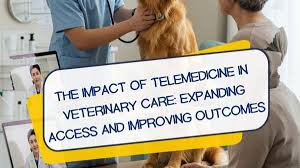
You used to visit the clinic every time your pet sneezed. Now you can pull out your phone. Animal hospitals are expanding telemedicine because your life is busy, your pet ages fast, and waiting rooms feel stressful. Today, you can reach a veterinarian in South Corpus Christi through video, photos, and secure messages. You get quick help when your dog limps on a Sunday night. You get guidance when your cat stops eating during a storm. You also avoid long drives, crowded lobbies, and confused late-night searches online. Instead, you get clear answers from someone who knows your pet’s history. Telemedicine does not replace urgent or hands-on care. It supports it. It helps you decide when to rush in and when home care is enough. It gives you faster support, more frequent check-ins, and better planning for your pet’s long-term health.
What Telemedicine For Pets Really Means
Telemedicine for pets means you connect with your veterinary team through phone, video, chat, or secure apps. You share photos, short videos, and updates. You get clear steps to follow at home.
Telemedicine usually includes three main services.
- Virtual sick visits for mild problems
- Follow-up visits after surgery or treatment
- Routine care talks about diet, behavior, or long-term disease
You still need in-person visits for vaccines, lab work, and emergencies. You use telemedicine to fill the gap between those visits. That steady support protects your pet and your budget.
Why Animal Hospitals Are Making This Change Now
Animal hospitals are expanding telemedicine for clear reasons. Your needs changed. Your pet’s needs changed. Technology caught up.
Three main forces push this change.
- More pet families expect quick, digital contact
- More pets live with chronic disease and need closer follow-up
- More clinics face staff shortages and crowded schedules
The American Veterinary Medical Association explains that telehealth tools can support safe care when used within a current patient relationship. That guidance gives clinics a clear path to build telemedicine services that protect you and your pet.
How Telemedicine Helps You And Your Pet
Telemedicine is not a gadget. It is a new way to stay in touch with your team. It helps in three powerful ways.
1. Faster answers when you feel worried
You know the moment. Your dog eats something strange. Your cat vomits twice. Your mind races. With telemedicine, you can send photos and a message. You can ask a direct question. You can get specific steps to follow.
You avoid random internet searches that trigger fear. You get advice based on your pet’s record, age, and past problems. That calms your mind and protects your pet.
2. Safer long term care for chronic disease
Many pets live with diabetes, kidney disease, skin disease, or arthritis. These conditions need small changes in long-term care or activity over time. They do not always need a full in person visit.
Through telemedicine you can share logs, blood sugar numbers, or photos of skin changes. Your veterinarian can adjust care in smallerin-personhat leads to more stable health and fewer crises.
3. Less stress for you and your pet
Some pets shake and hide during car rides. Some children feel scared in busy clinics. You may work long shifts or care for older family members. Leaving home is hard.
Telemedicine cuts some of those trips. You still come in when hands on care is needed. You skip visits that only need a talk and a plan. That saves energy and keeps your pet calm.
Common Telemedicine Uses For Pehands-ones
Here are examples of problems that often work well for a telemedicine visit when your veterinarian already knows your pet.
- Mild skin rashes or ear redness
- Minor limping without severe pain or swelling
- Behavior changes like pacing, hiding, or new house soiling
- Diet questions and weight checks
- Medication refills with updates on how your pet is doing
- Post surgery check of the incision with photos
In each case your veterinarian can review your pet’s record, look at images, and decide if home care is safe or if you need an in person exam.
What Still Require,s An In Person Visit Or Emergency Care
Telemedicine has limits. Some signs mean you should seek in-person care right away. No online visit can replace that.
- Trouble breathing or open mouth breathing in cats
- Collapse, seizures, or inability to stand
- Uncontrolled bleeding or deep wounds
- Suspected poisoning or heat stroke
- Severe pain such as loud crying or sudden aggression when touched
- Bloated, hard belly with restlessness
The American Veterinary Medical Association offers guidance on emergency signs. Learn these signs now. That way you can act fast when every minute counts.
Telemedicine Versus In Person Visits
This simple table shows how telemedicine compares with in-person care for common needs.
| Type of Need | Telemedicine Visit | In Person Visit |
|---|---|---|
| Quick question about mild signs | Often appropriate | Sometimes needed if signs worsen |
| Annual exam and vaccines | Not appropriate | Always required |
| Chronic disease follow up | Helpful between exams | Needed for full physical checks |
| Post surgery incision check | Good for photo review | Needed if swelling, discharge, or pain |
| Behavior and training support | Very useful for home videos | Useful when a hands-on exam is needed |
| Emergency or trauma | Not safe as the only care | Always required |
How To Get The Most From A Telemedicine Visit
You can make each virtual visit stronger with three simple steps.
- Prepare clear notes about when the problem started, what you see, and any changes in eating, drinking, or bathroom habits
- Take well lit photos or short videos that show the problem from more than one angle
- Have your pet nearby and in a quiet room so your veterinarian can see its behavior in real time
Then you can ask three key questions.
- What can you do at home right now
- What warning signs should make you come in
- When should you schedule your next in-person visit
What This Change Means For Your Family
Telemedicine gives you another door into your animal hospital. It does not close the old door. It adds choice. It adds quick access. It adds calm planning between the urgent moments.
You stay closer to the team that knows your pet. You avoid some stressful trips. You move from fear and guesswork to clear steps you can follow today. That steady support can protect your pet’s health and your peace of mind over years, not just during one visit.
