

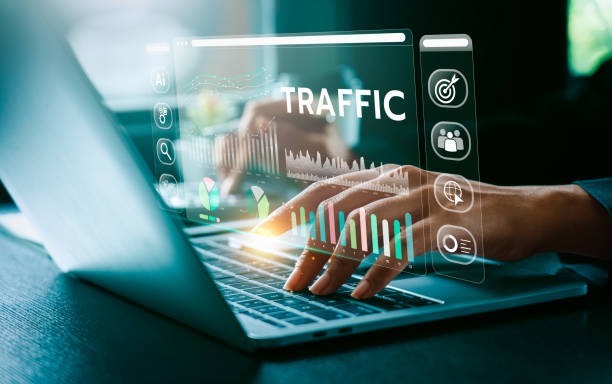
High traffic often looks like success on the surface, but visibility alone does not lead to leads, sales, or real growth. Many websites attract a steady flow of visitors and still struggle to turn those visits into action, which usually signals a problem not with traffic volume, but with what happens after users arrive.
When conversion fails, it is rarely because people are not interested. It happens because the website does not guide users clearly, speak to their intent, or build enough confidence to move forward.
The Core Reasons High-Traffic Websites Fail to Convert
Most conversion problems follow predictable patterns. These issues appear across industries and platforms, even on websites with strong SEO performance and consistent inbound traffic.
Traffic Volume Is High, but User Intent Is Misaligned
A common issue is attracting the wrong type of visitor for the page being shown. Many websites rank for informational keywords or run broad ads, then send that traffic to pages designed for immediate conversion, which creates friction instead of progress.
When users arrive looking for answers but are pushed toward a sales action too early, they leave. Conversion improves when pages are built to match where users are in their decision process and guide them naturally toward the next step rather than forcing it.
The User Experience Creates Unnecessary Friction

Even motivated visitors abandon websites that feel difficult to use. Slow load times, cluttered layouts, and unclear page structure increase mental effort, and people rarely stay long enough to work through confusion.
High-converting websites reduce friction by making the path forward obvious. When users immediately understand what the page offers and how to act, they are far more likely to stay engaged and convert.
The Messaging Is Too Generic to Build Confidence
Many high-traffic websites rely on broad statements that try to appeal to everyone, which often results in connecting with no one. Phrases that lack specificity fail to show users that the brand understands their problem or situation.
Clear messaging explains who the service is for, what problem it solves, and what outcome users can expect. When visitors recognize themselves in the message, trust builds naturally and hesitation drops.
Calls to Action Do Not Communicate Clear Value
Having a call to action is not enough if it does not explain why users should click. Vague CTAs create uncertainty, especially when visitors are still evaluating whether the offer is worth their time or commitment.
Effective calls to action clarify what users will gain and what happens after they click, which removes doubt and makes the decision easier. Strong CTA clarity often leads to noticeable conversion gains without increasing traffic.
Trust Signals Are Not Visible at the Right Moment
Visitors do not automatically trust a website, even if it ranks well or looks professional. When proof of credibility is hidden, outdated, or missing, users hesitate before taking action.
Displaying real outcomes, client examples, and credible signals early in the user journey helps reduce uncertainty and reinforces the decision to move forward, especially for service-based and B2B websites.
Traffic Exists Without a Conversion Strategy Behind It
One of the most overlooked issues is the absence of a clear conversion system. Many brands invest in SEO or paid traffic without defining how users should move from entry page to final action.
Conversion requires structure, not just visibility. Pages need clear goals, content must address objections, and the journey should feel intentional rather than accidental.
Why Conversion Strategy Matters More Than Traffic Volume
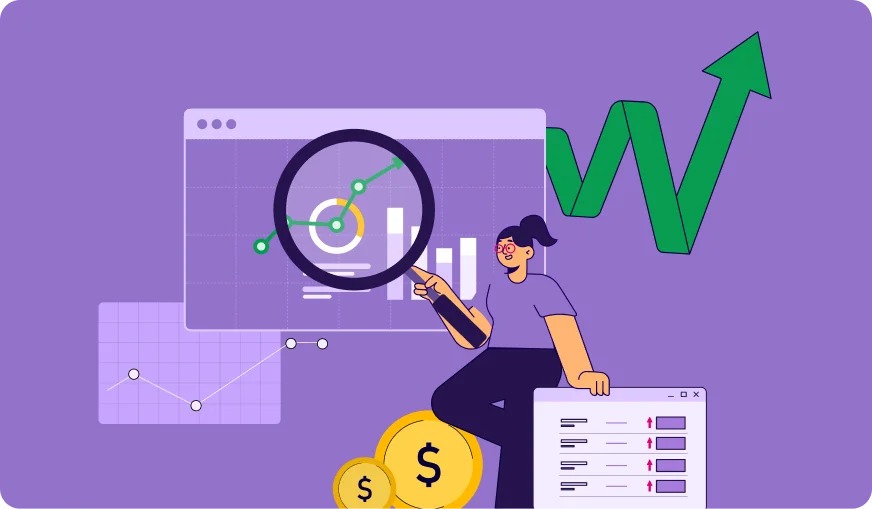
Driving more traffic does not fix underlying conversion problems and often amplifies them. Sustainable growth comes from improving how existing visitors interact with a website and how clearly the value is communicated.
This is where agencies with a conversion-first mindset make the difference. Effeect, a digital marketing agency, helps brands identify why traffic is not converting by aligning user intent, messaging, and performance data into a single strategy. Instead of focusing on volume alone, the goal is to turn visibility into measurable business results.
Final Takeaway
High traffic is an opportunity, not a guarantee.Websites fail to convert when intent is misaligned, experiences create friction, messaging lacks clarity, trust is not established early, and traffic is not supported by a clear conversion plan. Fixing these issues often delivers faster and more reliable growth than increasing traffic alone.
Before investing in more visitors, make sure your website gives them a clear reason to stay and a clear path to act.
