

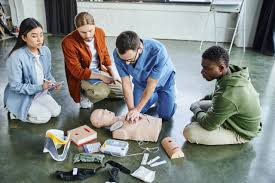
Communities thrive when people feel safe, supported, and prepared to help one another. There is no way that emergency services can be everywhere at once, even though they are very important to public safety. In many situations, the first few minutes after an accident or medical emergency are handled by everyday people. This is where first aid education becomes a powerful tool, turning ordinary citizens into capable first responders and building safer communities from the ground up.
How First Aid Knowledge Strengthens Community Safety
First aid education gives people the confidence to act instead of panicking. Whether it is a workplace injury, a sudden illness at home, or an accident in a public space, trained individuals are more likely to step in and provide immediate assistance. This early response can reduce the severity of injuries and, in some cases, save lives. When more people in a community understand basic first aid principles, help arrives faster, even before professional medical services take over.
In regions where Townsville first aid training is accessible, residents are better equipped to respond to everyday emergencies. This shared knowledge creates a ripple effect, where people look out for each other and feel more confident engaging in community activities. Safety becomes a collective responsibility rather than something left entirely to professionals.
Faster Response Times Save Lives
One of the biggest benefits of widespread first aid education is reduced response time during emergencies. In cases such as cardiac arrest, severe bleeding, or choking, waiting even a few minutes can drastically change outcomes. When someone nearby knows what to do, those critical moments are used effectively.
Completing a Townsville first aid course helps individuals recognise warning signs early and take appropriate action immediately. This ability to act quickly can prevent complications and reduce long-term health impacts. When many people in a neighbourhood or workplace share this training, the overall level of preparedness rises, making emergencies less overwhelming and more manageable.
Building Confidence and Reducing Panic
Fear and uncertainty often stop people from helping during emergencies. First aid education replaces that fear with practical knowledge and hands-on experience. People who get training learn how to calmly look at events, decide what to do first, and help others without putting themselves in danger.
This confidence spreads beyond individual skills. Communities with trained members tend to be more resilient, especially during large-scale incidents such as natural disasters or public events. People trust that someone nearby knows what to do, which reduces panic and supports quicker recovery.
Safer Workplaces and Public Spaces
First aid education also plays a major role in improving safety at work and in shared environments. Offices, construction sites, schools, and recreational facilities all benefit when staff and community members are trained. Accidents are handled more effectively, and minor injuries are less likely to become serious problems.
Participation in a first aid and cpr course townsville ensures that people understand both prevention and response. This dual focus encourages safer behaviour while also preparing individuals to handle emergencies if they occur. Over time, this leads to fewer incidents and a stronger culture of safety.
Strengthening Community Bonds Through Preparedness
Beyond physical safety, first aid education strengthens social connections. People who train together develop trust and a shared sense of responsibility. They are more likely to look out for neighbours, coworkers, and even strangers in need. This sense of care builds stronger, more connected communities.
When first aid knowledge becomes common rather than rare, helping others feels natural. Communities become places where people do not hesitate to step in, knowing they have the skills to make a positive difference.
Conclusion
First aid education is more than a personal skill. It is a community investment. By empowering individuals with knowledge and confidence, communities become safer, calmer, and more resilient. When people are prepared to act in emergencies, lives are protected, injuries are reduced, and trust grows. The link between first aid education and safer communities is clear. Prepared people create safer places for everyone.
