

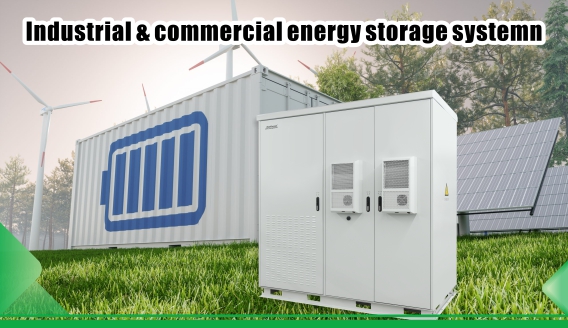
Across commercial and industrial sectors, energy is no longer viewed only as a utility expense. It is now a strategic asset that directly affects operational resilience, cost control, and sustainability performance. Rising electricity prices, grid instability, and stricter environmental targets are pushing organisations to rethink how they generate, store, and consume power. Energy storage company (Energieopslag bedrijf) are emerging as a practical solution, enabling businesses to store electricity when it is cheapest or most available and deploy it precisely when demand peaks.
Statistical trends underline this shift. A growing percentage of industrial facilities now integrate some form of on-site energy storage to manage peak demand charges, while commercial buildings increasingly rely on storage to support renewable energy use. This change reflects a broader move toward smarter, data-driven energy management rather than reactive consumption.
What Defines an Advanced Energy Storage Solution?
An advanced energy storage solution goes beyond basic battery capacity. It combines high-performance storage technology with intelligent control systems that optimise energy flows in real time. These solutions are designed to respond dynamically to fluctuating loads, grid signals, and pricing structures. Advanced storage platforms typically include monitoring software, predictive analytics, and automated dispatch capabilities.
From a performance standpoint, advanced systems focus on high energy density, long cycle life, and rapid response times. These features allow commercial and industrial users to rely on storage not just as a backup, but as an active component of daily operations. When supported by accurate data and analytics, energy storage becomes a measurable contributor to efficiency gains and cost reductions.
How Does Scalability Support Commercial and Industrial Growth?
Scalability is a critical requirement for businesses whose energy needs evolve over time. A scalable energy storage solution allows capacity to be expanded without replacing existing infrastructure. This modular approach aligns with the growth patterns of many commercial and industrial facilities, where energy demand increases gradually rather than all at once.
Statistical analysis of energy consumption patterns shows that demand growth in industrial settings often follows production expansion cycles. Scalable storage ensures that power infrastructure keeps pace with operational growth while avoiding unnecessary upfront capital expenditure. For commercial users, scalability also supports portfolio-wide energy strategies, enabling consistent performance across multiple sites.
Why Is Reliability a Key Metric for Industrial Energy Systems?
Reliability is a non-negotiable factor in industrial operations, where power disruptions can lead to production losses, equipment damage, and safety risks. Energy storage systems enhance reliability by providing instant backup power and smoothing voltage fluctuations. Unlike traditional generators, modern storage systems respond within milliseconds, ensuring continuity for sensitive processes.
Data from operational performance studies consistently shows reduced downtime in facilities that deploy energy storage as part of their power architecture. By acting as a buffer between the grid and internal systems, storage solutions help maintain stable energy quality, which is especially important for automated and digitally controlled industrial environments.
How Do Energy Storage Systems Improve Cost Efficiency?
Cost efficiency is one of the most measurable benefits of energy storage adoption. By storing energy during off-peak periods and discharging it during peak demand, businesses can significantly reduce demand charges, which often represent a large portion of electricity bills. Statistical models demonstrate that peak shaving alone can deliver substantial annual savings for high-load facilities.
In addition, energy storage enables better utilisation of on-site generation, particularly renewable sources. Excess energy that would otherwise be exported at low value can be stored and used later, improving overall return on investment. Over time, these savings contribute to a more predictable and manageable energy budget.
What Role Does Data Play in Modern Energy Storage?
Data is central to the effectiveness of advanced energy storage solutions. Real-time monitoring and historical analysis allow systems to forecast demand, identify inefficiencies, and adjust performance automatically. This data-driven approach transforms energy storage from a static asset into a responsive energy management tool.
Statistical insights derived from energy usage patterns enable continuous optimisation. For commercial buildings, this might involve aligning storage discharge with occupancy trends. In industrial settings, data can synchronise energy use with production schedules, ensuring power is available exactly when needed.
How Does Energy Storage Support Sustainability Goals?
Sustainability targets are increasingly shaping corporate energy strategies. Energy storage supports these goals by enabling higher integration of renewable energy and reducing reliance on fossil fuel-based backup systems. By storing clean energy for later use, businesses can lower their carbon footprint without compromising reliability.
Environmental performance metrics often show a direct correlation between energy storage adoption and reduced emissions intensity. For organisations reporting on environmental, social, and governance performance, storage provides quantifiable data that supports transparent and credible sustainability reporting.
Why Are Commercial Buildings Adopting Energy Storage Faster?
Commercial buildings are among the fastest adopters of energy storage due to their predictable load profiles and increasing electrification. Offices, retail centres, and mixed-use developments benefit from storage by balancing daily demand cycles and supporting energy-efficient building systems.
Statistical evaluations of commercial energy use reveal significant opportunities for optimisation during peak hours. Energy storage allows building operators to respond proactively to pricing signals and grid constraints, turning energy management into a controllable operational variable rather than a fixed cost.
How Does Energy Storage Enhance Grid Interaction?
Modern energy storage systems are designed to interact intelligently with the wider power grid. They can absorb excess energy during periods of low demand and release it when the grid is under stress. This two-way interaction supports grid stability and opens opportunities for participation in demand response and flexibility programmes.
From a statistical perspective, distributed storage assets collectively contribute to reduced grid congestion and improved load balancing. For commercial and industrial users, this interaction can translate into additional revenue streams or incentives, further strengthening the business case for storage investment.
What Makes Energy Storage Suitable for Diverse Industries?
Energy storage solutions are inherently adaptable, making them suitable for a wide range of industries. Manufacturing, logistics, healthcare, and data-intensive sectors all have unique energy profiles, yet they share common needs for reliability, efficiency, and scalability.
Industry-specific data shows that while load patterns differ, the underlying benefits of storage remain consistent. Modular design and configurable control systems allow energy storage to be tailored to specific operational requirements, ensuring relevance across diverse commercial and industrial applications.
How Does Future-Proofing Influence Energy Storage Decisions?
Future-proofing is an important consideration for long-term energy investments. Businesses must anticipate changes in energy pricing, regulation, and technology. Advanced energy storage systems are designed with flexibility in mind, allowing upgrades in software and incremental hardware expansion.
Statistical forecasting models suggest continued volatility in energy markets, reinforcing the value of adaptable power solutions. By investing in scalable storage, organisations position themselves to respond effectively to future challenges without major system overhauls.
Why Are Energy Storage Companies Focusing on Innovation?
Innovation is driving rapid improvements in energy storage performance and affordability. Advances in materials, system architecture, and control algorithms are extending lifespan and enhancing efficiency. Energy storage companies focus on innovation to deliver measurable performance gains that align with evolving commercial and industrial demands.
Performance data from recent deployments indicates steady improvements in energy density and cycle efficiency. These advancements strengthen the economic and operational rationale for storage, making it a core component of modern energy strategies rather than an optional addition.
How Does Energy Storage Redefine Power Management Strategies?
Energy storage is redefining how businesses think about power management. Instead of reacting to external conditions, organisations can actively shape their energy profile. Storage enables strategic decisions based on data, forecasts, and operational priorities.
This shift is reflected in energy management statistics that show increased adoption of integrated systems combining storage, generation, and digital controls. Together, these elements create a resilient, efficient, and scalable energy ecosystem tailored to commercial and industrial use.
What Is the Long-Term Impact of Scalable Energy Storage?
The long-term impact of scalable energy storage extends beyond immediate cost savings. It enhances resilience, supports sustainability commitments, and provides operational flexibility. Over time, these benefits accumulate, contributing to stronger financial performance and reduced risk exposure.
Statistical projections indicate that energy storage will continue to play a growing role in commercial and industrial power systems. As technology advances and adoption increases, storage will become a standard element of energy infrastructure rather than a specialised solution.
Why Is Energy Storage a Smart Investment for Today and Tomorrow?
Energy storage represents a smart investment for organisations seeking control, efficiency, and resilience. By combining advanced technology with scalable design, modern storage solutions meet the complex needs of commercial and industrial users. They deliver measurable benefits today while providing the flexibility to adapt to tomorrow’s energy landscape.
From a statistical and strategic perspective, energy storage stands out as a cornerstone of future-ready power management. Businesses that adopt it position themselves to thrive in an environment where energy performance is closely linked to operational success.
