

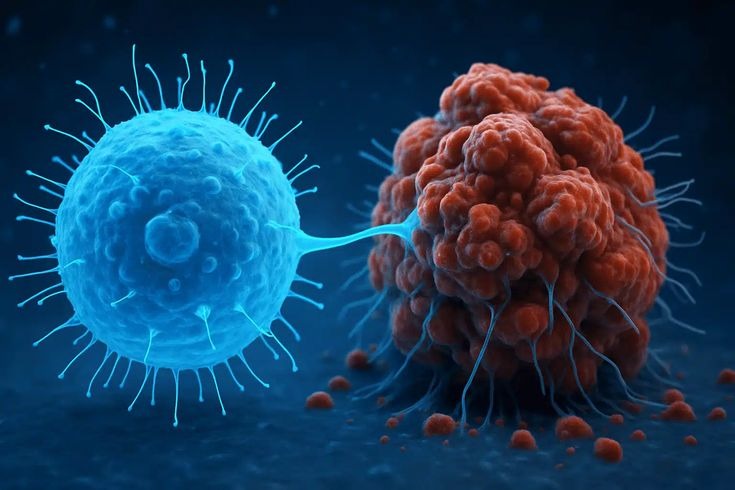
Cancer remains one of the most challenging health conditions worldwide, affecting millions of people and their families each year. Despite its complexity, advancements in medical science have significantly improved cancer diagnosis, treatment options, and patient outcomes. Understanding cancer treatment details can help patients and caregivers make informed decisions and feel more confident throughout the treatment journey.
This article provides a clear and informative overview of cancer treatment approaches, modern medical advancements, and the importance of personalized care.
Understanding Cancer and Its Treatment Approach
Cancer is not a single disease but a group of conditions characterized by uncontrolled cell growth. Because every cancer behaves differently, treatment plans are designed based on several factors, including cancer type, stage, location, and the patient’s overall health.
Leading medical institutions such as Liv Hospital focus on multidisciplinary care, where specialists from oncology, surgery, radiology, and supportive care collaborate to create individualized treatment plans. This team-based approach ensures that patients receive comprehensive and coordinated care from diagnosis through recovery.
Common Types of Cancer Treatments
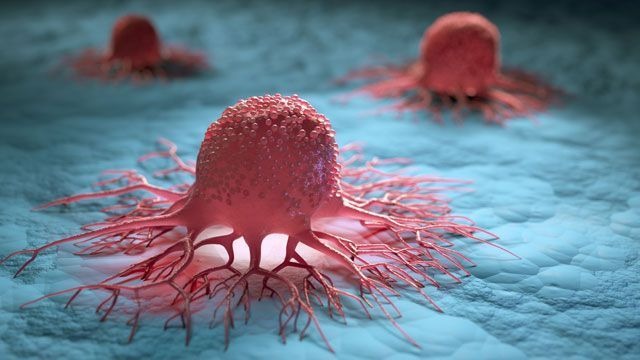
Modern oncology offers a wide range of treatment options. In many cases, doctors combine two or more methods to achieve the best possible results.
1. Surgery
Surgery is often the first line of treatment for many solid tumors. The goal is to remove the cancerous tissue while preserving as much healthy tissue as possible. Surgical techniques have advanced significantly, with minimally invasive and robotic-assisted procedures reducing recovery time and complications.
2. Chemotherapy
Chemotherapy uses powerful medications to destroy cancer cells or prevent them from multiplying. It may be administered orally or intravenously and can be used before surgery (neoadjuvant therapy) or after surgery (adjuvant therapy) to reduce the risk of recurrence.
3. Radiation Therapy
Radiation therapy targets cancer cells using high-energy rays. It is commonly used to shrink tumors, relieve symptoms, or eliminate remaining cancer cells after surgery. Precision-based radiation techniques now allow doctors to minimize damage to surrounding healthy tissues.
Advanced and Targeted Cancer Treatments
In recent years, cancer care has evolved beyond traditional treatments, offering more targeted and personalized solutions.
Targeted Therapy
Targeted therapy focuses on specific genetic or molecular changes in cancer cells. Unlike chemotherapy, which affects both healthy and cancerous cells, targeted therapy aims to attack cancer cells more precisely, often resulting in fewer side effects.
Immunotherapy
Immunotherapy works by strengthening the body’s immune system to recognize and fight cancer cells. This approach has shown promising results in treating cancers such as melanoma, lung cancer, and certain blood cancers.
For a deeper understanding of modern oncology approaches, patients can explore detailed medical insights available on Cancer Treatment Details, which outlines treatment pathways and innovations used in advanced cancer care.
Personalized Treatment Planning
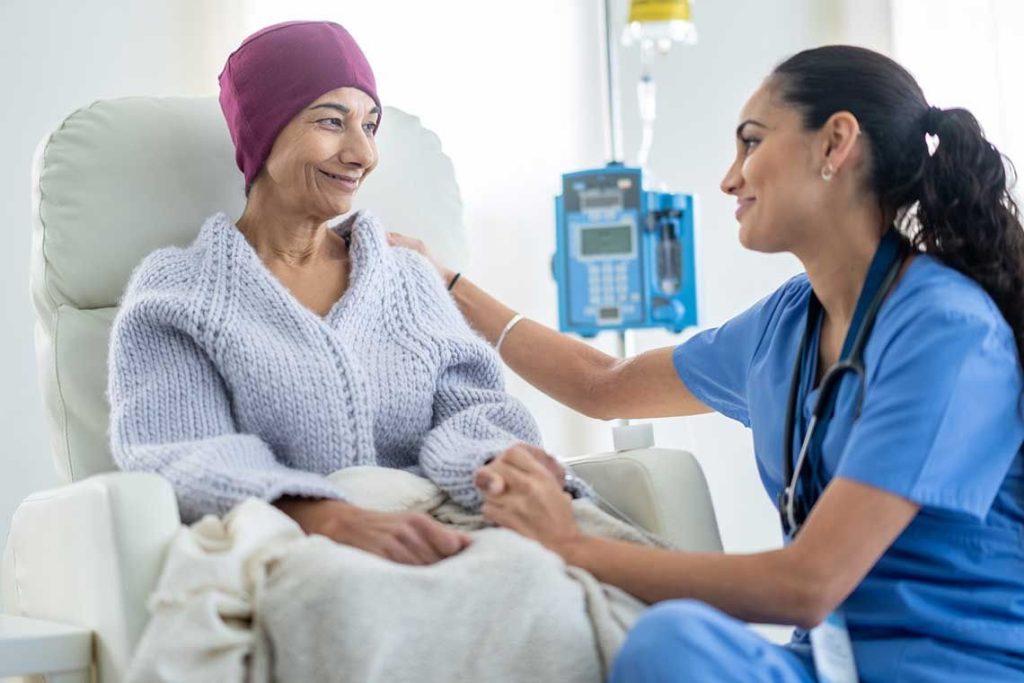
No two cancer cases are identical. That is why personalized treatment planning has become a cornerstone of effective cancer care. Doctors consider:
- Cancer type and stage
- Genetic markers
- Patient age and overall health
- Lifestyle and personal preferences
Advanced diagnostic tools, including molecular testing and imaging technologies, help oncologists design treatment strategies tailored to individual patients. This personalized approach improves treatment effectiveness and quality of life during therapy.
Managing Side Effects and Supportive Care
Cancer treatment can be physically and emotionally demanding. Common side effects may include fatigue, nausea, hair loss, and weakened immunity. Supportive care plays a critical role in helping patients manage these challenges.
Supportive services may include:
- Pain management
- Nutritional counseling
- Psychological and emotional support
- Physical rehabilitation
Hospitals with integrated care models focus not only on treating the disease but also on supporting patients’ overall well-being throughout the treatment process.
Recovery, Follow-Up, and Long-Term Care
Recovery does not end when treatment is completed. Regular follow-up appointments are essential to monitor progress, detect any signs of recurrence, and manage long-term side effects. Survivorship care plans often include lifestyle recommendations, routine screenings, and emotional support resources.
Maintaining a healthy lifestyle after treatment can support recovery and overall health. Balanced nutrition, physical activity, stress management, and emotional well-being all play a vital role in long-term outcomes.
The Role of Lifestyle and Wellness in Healing
While medical treatment remains the foundation of cancer care, lifestyle choices can significantly influence recovery and quality of life. Mindful living, stress reduction, and healthy daily habits can help patients feel more empowered during and after treatment.
For readers interested in holistic well-being, insights from platforms like live and feel highlight the importance of lifestyle balance, mental wellness, and self-care as part of a healthier life journey. Integrating wellness-focused practices alongside medical care can contribute positively to overall healing and resilience.
Final Thoughts
Cancer treatment has come a long way, offering hope, precision, and improved outcomes for patients worldwide. With advancements in surgery, chemotherapy, targeted therapy, and immunotherapy, cancer care is becoming more effective and personalized than ever before.
Understanding treatment options, seeking care from trusted medical institutions, and embracing supportive lifestyle practices can make a meaningful difference in the cancer journey. Knowledge empowers patients and families to face challenges with confidence and informed decision-making.
