

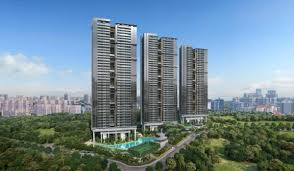
Cities in India don’t grow quietly. They stretch, compress, and change direction all at once. New roads appear. Old neighbourhoods get denser. What once felt open slowly fills up. In the middle of all this, the idea of “urban living” has started to mean something very different from what it did ten years ago.
Homebuyers today aren’t just looking for a house in a city. They’re trying to figure out how life will actually feel inside that city—day after day. That’s where developers who think long-term begin to stand out. One such name is Birla Estates, whose approach reflects how urban living itself is being redefined.
Urban Living Is No Longer About Just Location
Earlier, buying in a prime location was enough. If the address worked, most other things were ignored. That thinking has changed. Congestion, noise, and lack of open space have made people more cautious.
Today’s buyers ask quieter questions.
Will this place still feel comfortable after five years?
Will daily routines be simple or stressful?
Among the top builders in india, the ones gaining trust are those who design homes around how cities actually behave—not how they look in brochures.
Mumbai: Making Peace With Density
Mumbai doesn’t offer the luxury of space. It never has. What it offers instead is opportunity, connectivity, and pace. The challenge for residential development here is not building tall—it’s building smart.
Urban homes in Mumbai now focus on efficiency. Better layouts. Smarter circulation. Open areas that are usable, not symbolic. In a city where every square foot counts, responsible planning matters more than scale.
Developers who understand Mumbai don’t try to fight density. They work around it.
Bengaluru: Where Lifestyle Shapes Housing Choices
Bengaluru’s growth story is tied closely to its people. Work culture, flexible schedules, and a strong preference for balance have shaped how the city lives.
Here, urban housing is not just about proximity to offices. It’s about breathing space. Green pockets. Communities that support both work and downtime.
Residential planning in Bengaluru works best when it reflects how people actually live—not just where they work.
Pune: Space, Planning, and a Slower Rhythm
Pune has always felt different from other cities. It carries history, education, and a strong residential culture. But as the city grows, central areas are becoming crowded.
This has pushed attention towards developments that value planning over scale. Buyers here increasingly look at who is building, not just where. That’s why names recognised as top builders in pune continue to attract interest—especially those who focus on low-density layouts, open areas, and long-term livability.
In Pune, urban living works best when it doesn’t feel rushed.
NCR: Growth at a Very Different Scale
NCR operates on a much larger canvas. Cities expand fast here, often in multiple directions at once. This makes planning more complex—and more important.
Urban living in NCR depends heavily on integrated development. Roads, social infrastructure, and residential spaces need to grow together. When they don’t, daily life becomes fragmented.
Here, thoughtful development isn’t optional. It’s essential.
One Country, Very Different Cities
What connects Mumbai, Bengaluru, Pune, and NCR is not similarity—but contrast. Each city demands a different response. What works in one simply won’t work in another.
This is where developers who adapt city by city stand apart from those who repeat the same formula everywhere. It’s also where the idea of being among the top builders in india quietly shifts—from scale and speed to understanding and restraint.
Looking Forward: A More Thoughtful Urban India
India’s cities will keep growing. That part is inevitable. What isn’t inevitable is chaos.
As homebuyers become more aware, they will continue to favour developers who respect the rhythm of each city. Those who plan patiently. Those who design for daily life, not just delivery timelines.
Urban living in India’s future will not be defined by height or numbers alone—but by how well people can live within the cities they choose to call home.
