

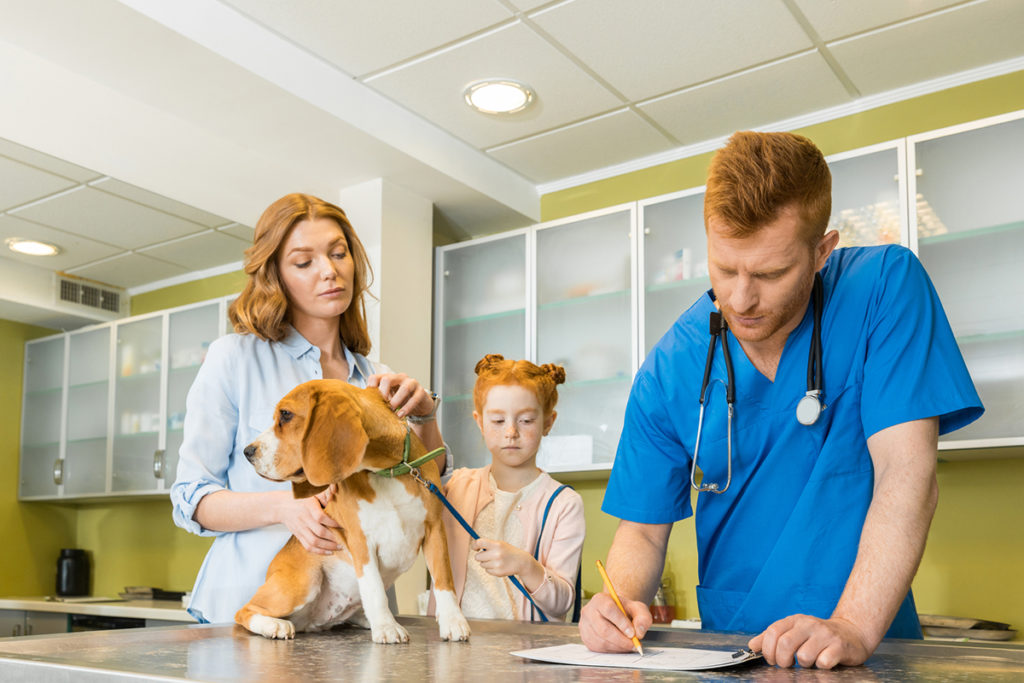
You see the value of preventive care every time you visit a doctor. Yet the strongest examples often come from veterinary hospitals. These teams do not wait for a crisis. They watch for small shifts in health, mood, or movement. They act early. That focus protects animals from pain and families from sudden shock. It also shows how human health systems could change. Veterinary hospitals use simple tools. They track vaccines, body weight, diet, and behavior with steady care. They speak clearly so you can act with confidence. They also see the whole home. They know stress, money, and time shape every choice. That honest view helps them design care that you can follow. If you have ever brought a pet to a pet hospital in Sumter, you have seen this in action. You can use their example to ask for stronger preventive care for yourself.
Routine visits that prevent crisis
Veterinary hospitals build care around routine visits. You bring your pet in once or twice each year, even when your pet seems fine. The goal is simple. Catch trouble early. Treat small problems before they grow.
During a routine visit, the team will often:
- Review vaccines and parasite prevention
- Check weight, teeth, skin, and joints
- Ask about eating, drinking, sleep, and behavior
Each step gives clues. A small weight change can point to heart disease or diabetes. A change in behavior can point to pain or stress. Quick action can stop long hospital stays. It can also lower long-term costs for you.
Simple tools that build strong habits
Veterinary teams rely on a few steady tools. They repeat them at every visit. That steady rhythm builds habits for you and your family.
- Vaccine reminders by text, email, or postcard
- Weight checks at every visit
- Written home care plans that fit your life
These tools are not complex. Yet they work. You remember to come back. You see clear numbers on a scale. You leave with a short plan you can follow. Over time, those small steps protect your pet from disease, dental pain, and emergency surgery.
Human clinics can copy these steps. Regular reminders. Simple measures like blood pressure and body weight. Short written plans in plain language. When you ask your own doctor for this kind of support, you push the system toward stronger prevention.
One health story for the whole family
Veterinary hospitals look at your home as one shared space. Germs, smoke, mold, and stress do not stop at a species line. They touch pets and people together.
Common links include:
- Secondhand smoke that harms the lungs of pets and children
- Ticks and mosquitoes that carry disease to animals and humans
- Obesity driven by low movement and rich food for the whole family
The concept of “One Health” appears across public health work. It shows how human, animal, and environmental health connect. You can read more about this on the CDC One Health page. Veterinary hospitals live this truth every day. When they teach you how to prevent Lyme disease in your dog, they also protect your child who hikes on the same trail.
Clear communication that respects your limits
Veterinary staff know that you balance work, school, money, and care. They ask direct questions and listen. Then they shape a plan that you can carry.
They often use three steps.
- They explain the health issue in plain words.
- They offer a few options with costs and benefits.
- They help you choose a plan that fits your budget and time.
That kind of talk builds trust. It also prevents confusion. When you understand why a vaccine or test matters, you are more likely to follow through; human health systems can learn from this. Short, clear visits. Honest talk about cost. Respect for your daily load.
What veterinary hospitals teach about early action
Veterinary hospitals face limits. Many pet owners do not have insurance for their animals. Most costs come out of pocket. That hard truth pushes clinics to focus on prevention. It is much cheaper to stop a disease than to treat organ failure or cancer.
The same logic applies to human care. The table below shows how early prevention compares with late treatment for common health problems in pets and people. Costs are sample estimates, not exact prices, yet they show the pattern.
| Condition | Early preventive step | Late treatment | Typical outcome |
|---|---|---|---|
| Heartworm in dogs | Monthly heartworm pill and yearly test | Long hospital care with strong drugs | Prevention keeps the heart and lungs healthy. Late care risks death. |
| Obesity in pets and people | Routine weight checks and diet change | Surgery, joint replacement, heart disease care | Early change protects joints and the heart. Late care often limits movement. |
| Diabetes | Screening blood tests and weight control | Hospital stays for kidney failure or infection | Early care supports long life. Late care often shortens life. |
| Dental disease | Regular cleanings and home brushing | Tooth removal and infection care | Prevention keeps eating steady. Late care causes pain and high cost. |
How you can use this model for your own health
You can borrow these lessons for your body and mind. First, schedule routine checkups even when you feel fine. Treat them like your pet’s yearly visit. Second, track simple numbers. Know your weight, blood pressure, and blood sugar if your doctor advises it. Third, ask for clear written plans. Short steps you can follow are more powerful than long lectures.
You can also speak up. When you see strong preventive care at a veterinary hospital, talk about it with your own doctor, nurse, or clinic staff. Ask how your clinic can use similar reminders, simple tools, and honest talk. That request carries weight. You are not only guarding your own health. You are helping shift the system toward early action.
Veterinary hospitals show that prevention is not a slogan. It is a daily practice. It sits in reminder cards, careful exams, and quiet talks in exam rooms. When you bring that same focus to your own care, you protect your body, your family, and your peace of mind.
