

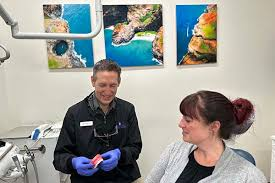
Choosing a dental practice is a hard decision. Your choice affects your comfort, your health, and your trust. You want a team that listens, explains, and treats you with respect. You also want clear answers before you commit. This is true whether you need a routine cleaning, braces for your child, or a cosmetic dentist in Little Elm TX. Many families rush this choice and feel regret later. You do not need to feel that regret. You can ask direct questions that reveal how a practice will treat you when problems come up. This blog gives you six clear questions that uncover how a dentist handles emergencies, pain, cost, and follow up care. Each question helps you protect your family and avoid surprises. You deserve honest information before you sit in the chair.
Finding a trusted dentist in Coquitlam ensures your family receives professional, compassionate dental care close to home. From preventive cleanings to advanced restorative treatments, experienced professionals focus on comfort and long-term oral health. Regular visits help maintain strong teeth, healthy gums, and confident smiles for patients of all ages.
1. How do you handle emergencies and after-hours problems?
Dental pain can hit at night, on weekends, or during school events. You need to know what happens when that pain appears.
- Ask if the practice offers same day visits for urgent pain.
- Ask who you call after office hours.
- Ask where you go if you need care right away.
You can share this with the whole family so no one has to guess during a crisis. The Centers for Disease Control and Prevention explains that untreated tooth decay is common in children. Quick care can prevent infection and missed school. A clear emergency plan protects your child and reduces fear.
2. What services do you provide for children and adults?
Many families want one office for every stage of life. You can ask the practice to list what they do for three groups.
- Young children
- Teens
- Adults and older adults
Ask if they provide
- Cleanings and exams
- Sealants and fluoride for kids
- Braces or clear aligners
- Fillings, crowns, and root canals
- Implants and dentures
You can also ask if they refer out for many services. Frequent referrals can mean more travel and more cost. A practice that explains its limits shows respect for your time and safety.
3. How do you manage pain, fear, and special needs?
Many people carry old dental trauma. Some feel deep fear. Children with sensory needs may struggle in a bright, noisy office. You should ask direct questions about comfort.
- What options do you use to numb the mouth during treatment
- Do you offer nitrous oxide for anxious patients
- How do you support patients with autism or other special needs
You can request a walk-through of the office before the first visit. You can also ask if a parent can stay in the room with a child. The American Dental Association stresses early positive visits. Kind care in childhood shapes lifelong habits. A practice that plans for comfort reduces dread and shame.
4. What will this cost, and how will you explain fees?
Money stress can stop families from seeking care. You deserve clear numbers before treatment starts. You can ask three simple questions.
- Do you accept my insurance, and will you file claims for me
- Can you give written estimates before each procedure
- Do you offer payment plans for larger treatments
Then you can compare. Honest offices welcome these questions. They explain what insurance covers and what it does not. They tell you if a cheaper option can still work. Clear talk about money builds trust.
Example cost questions to ask a dental office
| Service | Ask about | Why it matters |
|---|---|---|
| Routine cleaning | Is this covered twice a year | Prevents surprise bills for basic care |
| Fillings | Cost difference between white and silver | Helps you weigh, look, cost, and strength |
| Crowns | Lab fees and follow up visits | Shows full price, not just one piece |
| Implants | Parts, surgery, and final crown | Reveals total long term cost |
5. How do you protect patients from infection and keep the office clean?
You place your body and your children in this space. Clean habits are non-negotiable. You can look, and you can ask.
- Do staff wash hands and change gloves between patients
- How do you sterilize tools
- Do you follow current infection control rules
The practice should follow standards from agencies such as the CDC. You can ask them to explain their process in plain words. A team that grows uneasy when you ask about cleanliness may not deserve your trust. A team that answers with calm detail shows respect for your safety.
6. How will you communicate with me and involve my family in decisions?
Good care needs clear talk. You should know what is happening in your mouth and why. You can ask about three types of communication.
- Before visits
- During treatment
- After procedures
Ask if they
- Send text or email reminders
- Explain options in simple language
- Show you pictures or x rays before treatment
- Call after major work to check on you
You can also ask how they speak with children. Do they use gentle words? Do they explain each step? Do they push treatment without listening? You should feel free to say no or ask for time to think. A strong practice encourages questions and respects your choice.
Putting it all together before you choose
You have the right to call or visit more than one office. You can bring this list and take notes. Then you can compare how each practice answers the same questions.
- Emergency plan
- Services for all ages
- Pain and fear support
- Clear costs
- Clean and safe space
- Open communication
Your family deserves steady, honest dental care. When you ask these six questions, you protect your health and your peace of mind. You do not need to rush. You can choose a practice that earns your trust every time you open your mouth to speak or smile.
