

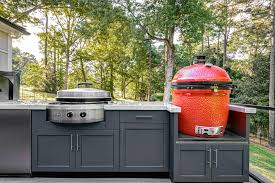
Creating an outdoor kitchen is a fantastic way to elevate your outdoor living space, combining functionality and entertainment with style. However, choosing the right materials for your outdoor kitchen is crucial to ensure durability and long-term performance. outdoor kitchen contractor in Fort Myers are exposed to elements such as rain, heat, humidity, UV rays, and even pests, making material selection one of the most important decisions during the design process.
While several materials are popular for outdoor kitchen construction—including wood, MDF, PVC, and stainless steel—not all offer the reliability, longevity, and aesthetics you need for your outdoor oasis. In this blog, we’ll compare stainless steel outdoor kitchens with these popular materials, providing a complete breakdown of their performance. By the end, you’ll understand why stainless steel is the ultimate choice for outdoor kitchen cabinetry.
Why Material Selection Matters in Outdoor Kitchens
Outdoor kitchens endure conditions far harsher than those indoors, which can lead to warping, cracking, mold, fading, and other damage if inferior materials are used. Choosing durable materials allows your outdoor kitchen to withstand the elements while maintaining functionality and style.
Key Features to Consider:
Weather Resistance: Protect against rain, humidity, and snow to prevent damage.
UV Stability: Can the material handle extended sunlight exposure without fading?
Moisture Repellence: Materials with water-resistance avoid swelling, rotting, and mold growth.
Heat and Fire Resistance: Cabinets near grills or fire pits must handle high temperatures without degradation.
Pest Resistance: Outdoor environments expose materials to termites and other pests.
Aesthetics and Longevity: Great materials not only look good but last for years with minimal maintenance.
Now, let’s see how popular materials like wood, MDF, and PVC compare to stainless steel when it comes to outdoor kitchen durability.
1. Stainless Steel: The Leading Material for Outdoor Kitchens
Stainless steel has earned its reputation as the gold standard for outdoor kitchen construction. Boasting premium durability, sleek aesthetics, and resistance to weather and wear, stainless steel is ideal for homeowners looking for a long-lasting and low-maintenance solution.
Key Advantages of Stainless Steel:
1. Weatherproof Durability
Stainless steel is impervious to rain, snow, humidity, and even salty air in coastal climates. It doesn’t warp, crack, swell, or degrade, even after years of exposure.
2. UV and Heat Resistance
Unlike many other materials, stainless steel cabinets handle prolonged sunlight exposure and high temperatures near grills or barbecues without discoloration, fading, or warping.
3. Low Maintenance
Cleaning stainless steel is simple—just wipe it down with soap and water. No need for sanding, sealing, or refinishing.
4. Hygienic and Food-Safe
Its non-porous surface ensures that no bacteria, mold, or mildew can grow.
5. Longevity
Stainless steel cabinets often last 20+ years, far exceeding the lifespan of other common materials.
6. Sleek and Modern Appearance
Stainless steel delivers a polished, contemporary look that complements both modern and minimalist outdoor kitchen designs.
7. Eco-Friendly
Stainless steel is 100% recyclable, making it a sustainable choice.
Drawbacks of Stainless Steel:
Higher Upfront Cost: Stainless steel is an investment, but its longevity and low maintenance make it more cost-effective in the long run.
Salt Exposure Maintenance: In coastal areas, regular cleaning is needed to avoid salt buildup.
Final Verdict:
Stainless steel is the top choice for homeowners seeking durable, low-maintenance, and stylish outdoor kitchens that last decades.
2. Wood: Natural Beauty with High Maintenance
Wood is a traditional material often chosen for cabinetry thanks to its warm, rustic charm. While wood may look beautiful at first, it struggles to handle the environmental challenges of outdoor use.
Key Advantages of Wood:
Timeless Aesthetic: Wood provides a natural, classic feel to outdoor kitchens.
Customizable: You can stain, paint, or treat wood to suit any design.
Durability of Certain Woods: Hardwoods like teak, cedar, or mahogany are more resistant to moisture and pests than softwoods.
Drawbacks of Wood:
Moisture Vulnerability: Most woods absorb water, leading to warping, swelling, rot, and mold, especially in humid climates.
UV Damage: Prolonged exposure to sunlight can fade and crack wood, weakening its structural integrity.
Pests: Even treated wood is susceptible to termites and other pests, particularly in tropical climates.
High Maintenance: Regular sealing, staining, and refinishing are required to protect wood from weathering.
Limited Lifespan: Wood cabinets typically last 5–10 years, even with regular maintenance.
Final Verdict:
Wood is a high-maintenance choice that’s better suited for covered outdoor kitchen spaces where exposure to moisture and UV rays is minimal.
3. MDF (Medium-Density Fiberboard): Affordable but Fragile
MDF is a composite wood product often selected for its affordability and smooth finish. While MDF works well in indoor cabinetry, it performs poorly when exposed to outdoor conditions.
Key Advantages of MDF:
Affordable: Cheaper than stainless steel and other options.
Smooth Surface: Great for paint or veneer finishes.
Drawbacks of MDF:
Water Absorption: MDF swells, warps, and disintegrates when exposed to moisture, even with sealing.
Lack of Structural Strength: Prone to dents, chipping, and cracking.
Heat and UV Damage: Cannot handle grill heat or prolonged sunlight exposure.
Short Lifespan: MDF rarely lasts longer than 3–5 years in an outdoor environment.
Final Verdict:
MDF is unsuitable for outdoor kitchens and should be reserved for indoor applications.
4. PVC (Polyvinyl Chloride): Lightweight but Short-Lived
PVC is a plastic-based material often marketed for kitchen cabinetry due to its water-resistant properties. While PVC works in some outdoor applications, it has significant limitations.
Key Advantages of PVC:
Waterproof: PVC resists moisture and rain, preventing rotting and swelling.
Lightweight: Makes it easy to install and move.
Lower Cost: More affordable than stainless steel.
Drawbacks of PVC:
UV Damage: Sunlight causes PVC to fade, crack, and become brittle over time.
Heat Sensitivity: Exposure to high temperatures near grills or fire pits leads to warping and softening.
Lifespan: PVC typically lasts 5–10 years before needing replacement.
Plastic Appearance: Doesn’t offer the premium look of stainless steel or wood.
Final Verdict:
PVC may work for low-budget outdoor kitchens in shaded areas, but it lacks the durability and sophisticated appearance of stainless steel.
5. Conclusion: Stainless Steel Outperforms Popular Materials
When designing an outdoor kitchen, the material you choose directly impacts its functionality, lifespan, and overall look. While wood, MDF, and PVC have some advantages, they fall far short in durability, weather resistance, and aesthetic longevity compared to stainless steel.
Why Stainless Steel Wins:
Unmatched Durability: Weatherproof, UV-resistant, and heat-tolerant.
Minimal Maintenance: Easy to clean, with no need for refinishing or repairs.
Hygienic: Non-porous surface resists mold and bacteria.
Long-Term Investment: Stainless steel cabinets last 20+ years, making them more cost-effective in the long run.
Eco-Friendly: Sustainable and recyclable material.
Stylish Appearance: A timeless, sleek look for modern or traditional kitchens.
Transform Your Outdoor Kitchen with Stainless Steel
Ready to elevate your outdoor cooking and entertaining space? Choose stainless steel for cabinetry that combines style, longevity, and performance. Contact us today to explore premium stainless steel outdoor kitchen designs that are built to last a lifetime!
