

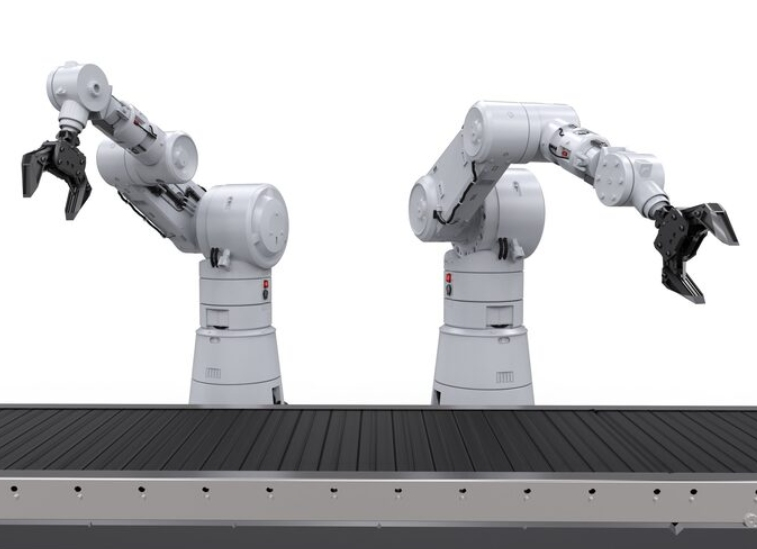
In today’s fast-changing world of industrial automation and humanoid robotics, robots need to move quickly, work accurately, and keep going for long periods. Mobile robots—from Autonomous Mobile Robots (AMRs) in warehouses to advanced humanoid models—now handle tougher jobs in logistics and production lines, relying on high torque density planetary gears for optimal performance.. The parts that drive them have to be lighter yet able to carry heavy loads.
At DD Gear, we have watched this trend closely for more than 15 years. We have seen how the push for faster, denser operation turns the choice of drivetrain parts into a make-or-break decision for any robot design. Lightweight planetary gears have become the go-to answer. They deliver the right balance of torque and weight that lets robots run around the clock in tough settings.
The Science of Planetary Gearing in Mobile Robotics
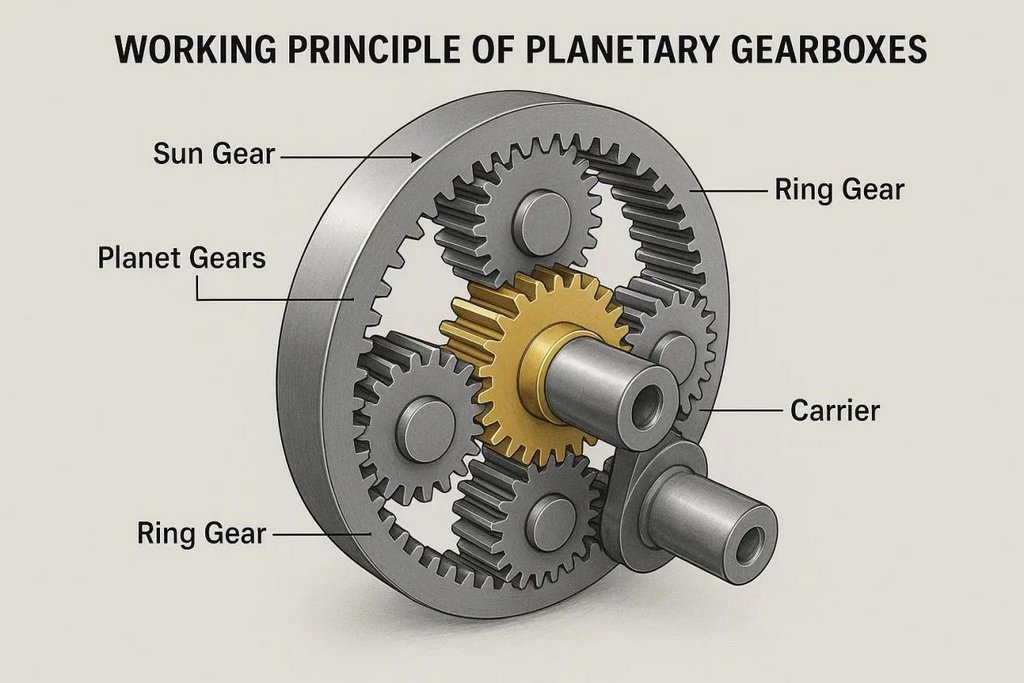
A planetary gear set—sometimes called an epicyclic system—stands out because of its clever layout. Instead of the usual parallel shafts, it has a central sun gear, several planet gears around it, and a ring gear on the outside. This setup brings real advantages to mobile robots.
Load Sharing and Torque Density
Engineers pick lightweight planetary gear sets for robotics because the load spreads across several planet gears at once, ensuring better performance and durability. That means less pressure on each tooth. The result shows up clearly in everyday use:
lHigher torque density in a smaller package: This lets designers fit powerful reduction into tight robot joints or wheel units.
lBetter resistance to sudden shocks: AGVs often face quick starts and stops with torque peaks reaching 400–600 Nm. Multiple planets help absorb those hits without damage.
lLonger working life: Spreading the force evenly keeps any single tooth from wearing out too soon.
Compact Coaxial Architecture
Space inside mobile robots is always tight, especially around motors and joints. The compact planetary gear system for robots keeps input and output on the same centerline. That layout helps in practical ways:
lFitting high-ratio sets into narrow actuators for robot arms or wrists.
lKeeping wheel-hub drives small in warehouse robots.
lCutting the moment of inertia. Lower inertia means the robot can speed up or change direction faster.
Key Design Factors for Lightweight Performance
Making a planetary gear truly light while keeping it strong calls for careful choices in materials and tooth size.
Small Module Precision and Space Constraints
The module measures tooth size. In mobile robotics, most designs use small-module precision gears between 0.3 and 0.8 modules.
lBig reductions in tiny spaces: A small module makes it possible to reach ratios like 100:1 without the gearbox adding much bulk or weight.
lSmoother running: Smaller teeth mesh more gently. But the tolerances are tight—errors of just a few microns can cause early trouble.
Material Science: High-Strength Alloy Selection
The metal you start with sets the limit on how light and strong the gear can be.
lMaterial choices: High-end robot gears usually begin with forged bars of materials such as 18CrNiMo7-6 or 20MnCr5.
lBalancing weight and strength: These steels allow thinner webs and lighter planet carriers while still carrying heavy loads day after day.
Heat Treatment and Surface Hardness
Proper heat treatment turns good steel into a gear that lasts.
lCarburizing builds a hard skin, typically 58–62 HRC, to fight surface wear.
lThe core stays tougher, around 35–45 HRC, so sudden impacts do not snap teeth.
lTight control of case depth—within 0.05 mm—helps gears survive years of constant cycling in busy distribution centers.
Enhancing Robot Performance through High-Precision Manufacturing
Precision manufacturing turns drawings into custom precision planetary gears that actually deliver the promised performance, ensuring robots work smoothly. It affects everything from movement smoothness to power usage.
Reducing Transmission Error and NVH
Noise, vibration, and harshness matter a lot when robots work alongside people.
lISO Grade 4-5 accuracy keeps profile errors under 4 µm. The gears mesh smoothly instead of clashing.
lAdvanced grinding produces surfaces as fine as Ra 0.4 μm. That finish removes the sharp whine common in lower-grade gearboxes running at high speed.
lSmall tooth adjustments—tip relief, crowning, lead corrections—maintain quiet operation even after hours of running and warming up.
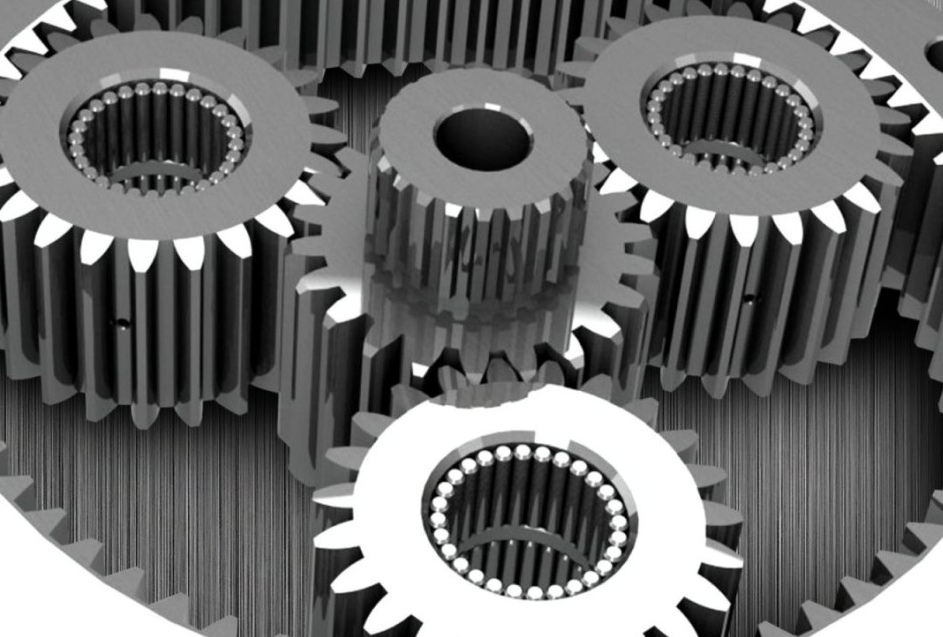
Achieving Zero-Backlash for Positional Accuracy
Robots that pick parts or keep balance need almost no play in the drive.
lGear backlash reduction for mobile robots with zero-backlash planetary gears gives repeatable motion down to microns in robot joints.
lStiff tooth design stops the slight twisting or wobble seen in cheaper boxes when the robot shifts weight.
Maximizing Battery Range via Mesh Efficiency
For battery-powered robots, every bit of saved energy adds real distance.
lUpgrading to high-precision planetary gears for mobile robots from ordinary gears can lift drivetrain efficiency by 0.6% to 1.2%, maximizing battery range.
lBetter tooth shapes in mobile robot drivetrain optimization cut sliding losses. More battery power goes to the wheels instead of turning into heat inside the gearbox.
Customized Solutions for Next-Gen Mobile Robots
Off-the-shelf gearboxes often fall short on torque, noise, or size for cutting-edge robotics. That is why custom work makes such a difference.
Bridging the Gap Between Design and Reality
DD Gear works only on custom planetary gear solutions for robotics, instead of keeping stock parts. This approach matches every gear set exactly to its job in the robot.
lClose engineering teamwork early on: We can suggest alloy changes or tooth tweaks that often extend service life by as much as 30%.
lQuick samples: Robot development moves fast, so customized planetary gear prototypes usually reach customers in 2–3 weeks.
lConsistent quality across volumes: Whether the run is one prototype or several thousand pieces, the same micron-level care applies throughout.
DD Gear’s Robotics Gear Products
Drawing on 15+ years of manufacturing excellence, DD Gear provides a diverse range of customized high-precision components specifically for the robotics industry.
lPlanetary Reducer Gear Sets: We supply precision sun gears, planet gears, and internal ring gears for robot actuators. These components are designed for high torque density and low backlash, fitting perfectly into the compact joints of humanoid and industrial robots.
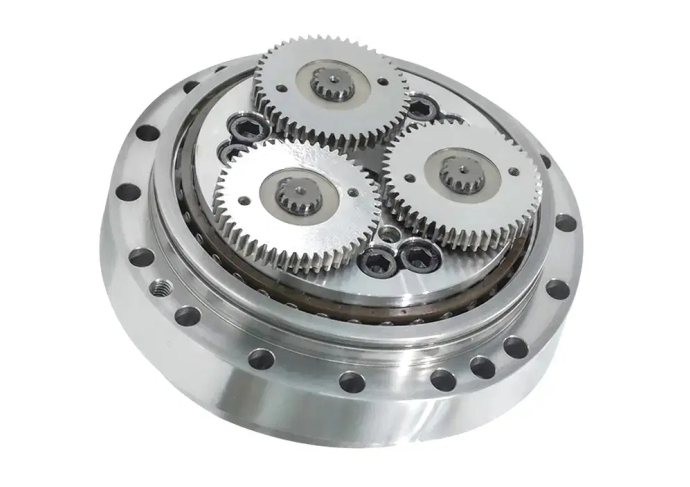
lHarmonic Reducer Components: Our expertise extends to supplying customized flexsplines and circular splines for strain-wave gear sets. These are vital for achieving near-zero backlash in collaborative arms and humanoid joints.
Conclusion
Custom-made planetary gears for robotics form the backbone of today’s mobile robots, providing high torque density, precision, and durability.With their high torque density, carefully chosen materials and treatments, and ISO Grade 4 precision, they let robots move quicker, carry heavier loads, and run longer between charges.
At DD Gear, our aim is to supply the practical know-how and precision equipment needed to turn ambitious robot designs into reliable, quiet, and efficient machines.
FAQ
Q: Why are planetary gears preferred over spur gears for mobile robot wheels?
A: Planetary gears provide far greater torque density and share loads across several teeth. That makes them better able to handle the sudden shocks common in AGV wheels while staying compact.
Q: What is the typical lead time for customized robot gear prototypes?
A: We normally deliver high-precision customized gear prototypes within 2–3 weeks to keep pace with fast-moving robot projects.
Q: How does gear precision affect the battery life of an AMR?
A: Precision gears in the ISO Grade 4-5 range cut friction and errors. This can raise overall drivetrain efficiency by up to 1.2%, giving the robot noticeably longer range on each charge.
Q: Can you support small-volume customized orders for startups?
A: Yes. We keep minimum order quantities flexible to help new robotics companies through development and early production runs.
