

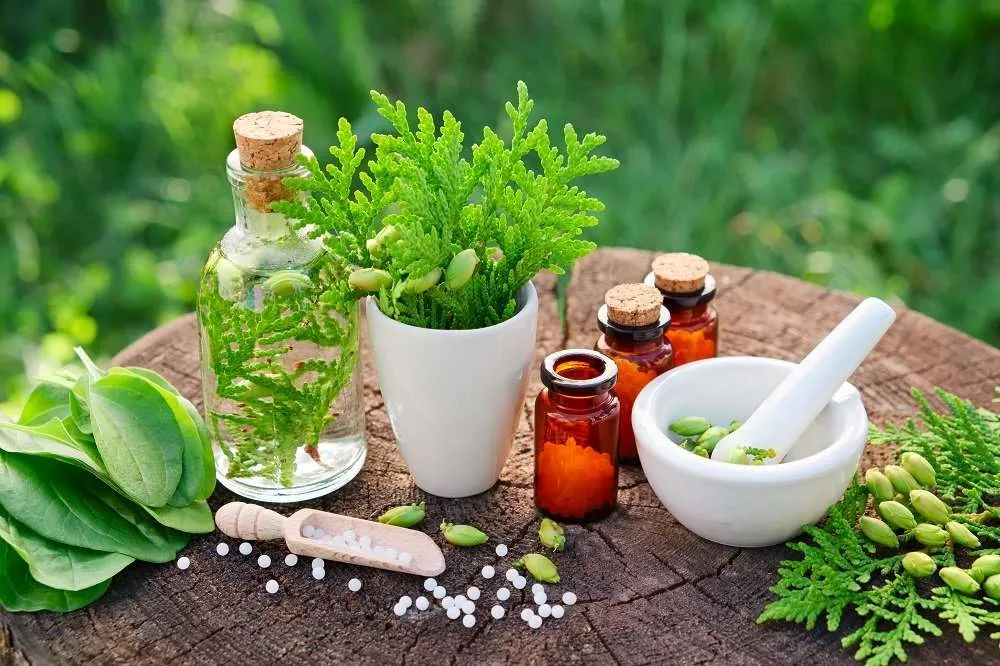
Walk into any health store today, and you will see shelves packed with plant-based products. Ten years ago, most people reached for a prescription first. Now, many are asking a different question. Is there a natural option that can support me before I commit to long-term medication?
This shift is not random. It reflects how people think about control, side effects, and long-term health. Let’s break down what is happening and why natural botanicals are getting so much attention.
Why People Are Questioning Pharmaceutical Drugs
Prescription drugs have saved millions of lives. Antibiotics, insulin, and blood pressure medication. These are critical tools in modern medicine.
At the same time, many drugs come with trade-offs:
- Side effects that affect daily life
- Long-term dependency
- Escalating doses over time
- Withdrawal symptoms when stopping
In the United States, nearly 60 percent of adults take at least one prescription drug. About 25 percent take three or more. Polypharmacy is common, especially in adults over 40.
People are not rejecting medicine. They are looking for options that feel safer, milder, and more in line with how the body naturally works.
What Are Natural Botanicals?
Natural botanicals are plant-based substances used for health support. They include:
- Herbal teas
- Plant extracts
- Adaptogenic mushrooms
- Roots and bark powders
- Tinctures
Many have been used for hundreds, if not thousands, of years in traditional systems such as Traditional Chinese Medicine and Ayurveda.
The difference now is access. You can research, compare brands, read lab reports, and order online in minutes.
Real Botanicals Benefits Over Pharmaceutical Drugs
1. Fewer Harsh Side Effects
Many people report that plant-based options feel gentler. That does not mean risk-free. It means the effects are often described as smoother or less disruptive.
For someone managing mild stress or occasional discomfort, a botanical may feel more manageable than a strong prescription.
2. Whole Plant Compounds
Pharmaceutical drugs usually isolate a single active compound. Botanicals often contain dozens of naturally occurring compounds that work together. Some researchers call this the entourage effect.
This multi-compound profile may explain why some users feel balanced effects rather than sharp peaks and crashes.
3. Personal Control
When someone uses a botanical supplement, they often feel more involved in their health decisions. They choose the dose. They can cycle on and off. They can experiment carefully under guidance. That sense of control matters.
A Growing Interest in Traditional Plant Remedies
Search trends show rising interest in plant-based wellness. Terms related to herbal stress support, plant pain relief, and natural mood boosters have grown steadily over the past five years.
For example, discussions around kratom and kava continue to increase as consumers compare traditional plant remedies to synthetic options. People are researching history, safety data, and responsible use rather than blindly buying. This research-driven approach is a big shift from how supplements were viewed a decade ago.
Not All Botanicals Are Equal
Here is where we need to be honest.
Natural does not mean safe by default. Quality, ethical sourcing, and internal and third-party lab testing matter. Contamination, heavy metals, and inaccurate labeling are real problems in the supplement industry. That is why informed consumers now look for:
- Third-party lab testing
- Transparent ingredient sourcing
- Clear dosage guidance
- No hidden proprietary blends
If a brand does not provide test results, that is a red flag.
The Importance of Education Before Use
Take kratom as an example. Many new users do not understand the difference between strains. Learning about green vs white kratom helps clarify how different alkaloid profiles may influence energy, mood, or focus.
Without that context, people may take too much or choose a type that does not match their goal.
The same applies to nearly every botanical. Education reduces risk.
Pharmaceutical Drugs Still Have a Place
It is easy to swing too far in one direction. Botanicals may support mild or moderate concerns. They are not replacements for chemotherapy, insulin, or emergency care.
The smarter approach is integration. Some people work with healthcare professionals to combine conventional treatment with plant-based support. Others use botanicals for issues that do not require prescription-strength intervention. Binary thinking does not help anyone.
Demand for Targeted Plant Compounds
As research grows, interest in specific plant alkaloids is increasing. Consumers are no longer satisfied with vague labels.
They want to understand active compounds, such as mitragynine and its metabolites. That is why searches for 7-hydroxymitragynine alternatives have increased among experienced users who are comparing potency, safety, and tolerance considerations.
This shows a maturing market. People are not just buying plants. They are studying chemistry, metabolism, and responsible dosing.
Why This Trend Will Likely Continue
Several forces are driving the rise of natural botanicals:
- Distrust of large pharmaceutical companies
- Desire for preventive health rather than reactive treatment
- Access to research and online communities
- Interest in holistic wellness
- Rising healthcare costs
Younger consumers especially tend to explore plant-based support before seeking prescriptions for stress, sleep, or mild discomfort.
Still, growth will depend on regulation, research, and transparency. Without clear standards, the industry risks backlash.
What’s the Way Forward
The rise of natural botanicals is not about rejecting modern medicine. It is about expanding options. People want treatments that feel aligned with their values. They want fewer side effects when possible. They want education before they buy. They want transparency.
Pharmaceutical drugs will remain essential in many situations. Yet for everyday wellness concerns, plant-based options continue to attract attention. The real opportunity lies in balance. Use science. Respect tradition. Demand quality. And make informed decisions rather than emotional ones.
In summary, if you approach botanicals with research, moderation, and clear expectations, they can become part of a thoughtful health strategy rather than a risky experiment.
