

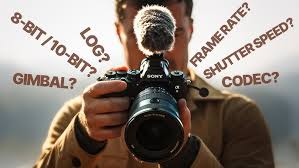
The Australian creative landscape is more vibrant than ever. According to recent data from the Office for the Arts, the cultural and creative sector contributed a staggering $67.4 billion to the Australian economy in the 2023-24 financial year—a 6.6% increase from the previous year. You can explore the full breakdown of these economic contributions at the official Office for the Arts website. With the industry representing roughly 2.5% of the national GDP, there has never been a more opportune time to sharpen your technical skills.
Whether you are an aspiring filmmaker, a business owner looking to boost your social media presence, or a hobbyist wanting to tell better stories, enrolling in a videography course is the definitive first step. This guide explores how professional training can transform your raw footage into cinematic art.
Why Formal Training Matters in 2026
The transition from “hitting record” to “producing content” involves a steep learning curve. While YouTube tutorials are helpful, a structured videography course provides a cohesive curriculum that covers everything from the physics of light to the psychology of pacing.
- Understanding Camera Fundamentals: Most beginners stay in ‘Auto’ mode, which limits creative control. A professional course teaches you to master the “exposure triangle”—aperture, shutter speed, and ISO—specifically for moving images.
- Mastering Composition and Framing: In videography, you aren’t just capturing a subject; you are guiding the viewer’s eye. Learning the rule of thirds, leading lines, and the “180-degree rule” ensures your work looks professional rather than amateur.
- The Importance of Sound Design: High-quality video with poor audio is unwatchable. Training focuses on choosing the right microphones (shotgun vs. lavalier) and managing ambient noise to ensure your message is heard clearly.
- Lighting Techniques for Every Environment: Whether you are shooting a corporate interview in a bright office or a cinematic short in a dim alleyway, understanding three-point lighting and the use of reflectors is a core component of any reputable videography course.
- Storytelling and Scripting: Before the camera even turns on, a story must exist. Professional training helps you understand storyboarding and how to plan shots that transition logically and emotionally.
- Post-Production Mastery: The “magic” often happens in the edit. Learning industry-standard software like Adobe Premiere Pro or DaVinci Resolve allows you to colour grade, add transitions, and sync audio perfectly.
- Equipment Management: From gimbals and tripods to drones and external monitors, knowing what gear to use (and when not to use it) can save you thousands of dollars in unnecessary purchases.
- Navigating the Australian Market: Understanding local demand is crucial. In Australia, the Jobs and Skills Australia agency notes that employment in the arts and recreation services grew by 1.3% in late 2025, with a median weekly earning of approximately $1,713. Professional courses often include modules on the business of being a videographer in this local climate.
- Building a Professional Portfolio: One of the most significant benefits of a videography course is the output. You leave with a curated showreel that serves as your visual CV when approaching clients.
- Networking and Collaboration: Film is a team sport. Being in a classroom—physical or virtual—connects you with future collaborators, from sound engineers to actors.
The Evolution of Video Production
The demand for high-quality video has moved beyond the cinema. Today, real estate agents need walk-through videos, restaurants need “sizzle reels” for Instagram, and educators need crisp content for online learning.
“The creative economy provides employment to over 714,000 people across Australia, representing nearly 6% of the national workforce.” — Collarts Creative Industry Analysis 2026.
If you’re looking for a visual overview of what modern cinematography looks like, check out this cinematography tutorial and showcase on YouTube.
Choosing the Right Path
When selecting a videography course, consider your end goal. Do you want a short, intensive workshop to improve your social media clips, or a comprehensive diploma that sets you up for a career in television and film?
- Check the Curriculum: Ensure the videography course covers both production (shooting) and post-production (editing).
- Instructor Expertise: Look for courses taught by industry veterans who have a current, active presence in the Australian film scene.
- Practical Application: Theory is good, but hands-on experience is better. Choose a program that requires you to produce several short films or projects.
- Flexibility: Many Australians are balancing work and study. Online or hybrid videography course options allow you to learn at your own pace without sacrificing the quality of the instruction.
- Technical Support: Access to equipment or software discounts is often a hidden perk of formal enrolment.
- Niche Specialisations: Some courses focus specifically on wedding videography, while others might focus on documentary filmmaking or commercial advertising.
- Feedback Loops: The ability to have your work critiqued by a professional is invaluable. Self-teaching often lacks the objective “second pair of eyes” needed for growth.
- Understanding Legalities: Professional training often covers copyright laws, music licensing, and permit requirements for shooting in Australian public spaces—essential knowledge for avoiding fines.
- Developing a Creative Voice: Beyond the technical, a good videography course helps you find your unique style, whether that is gritty and handheld or smooth and cinematic.
- Future-Proofing Your Skills: With AI and new camera technologies emerging, staying updated through a formalised education ensures your skills don’t become obsolete.
Conclusion
Investing in a videography course is more than just learning how to use a camera; it is an investment in your ability to communicate in the most powerful medium of our time. As the Australian creative sector continues to expand, those with the technical “know-how” and a polished portfolio will find themselves at the forefront of a thriving industry.
By moving away from “point and shoot” and embracing the structured learning of a professional videography course, you gain the confidence to take on any project—from a local cafe promotion to a full-scale independent film. The tools are more accessible than ever, but the skill required to use them effectively remains a rare and valuable asset.
