

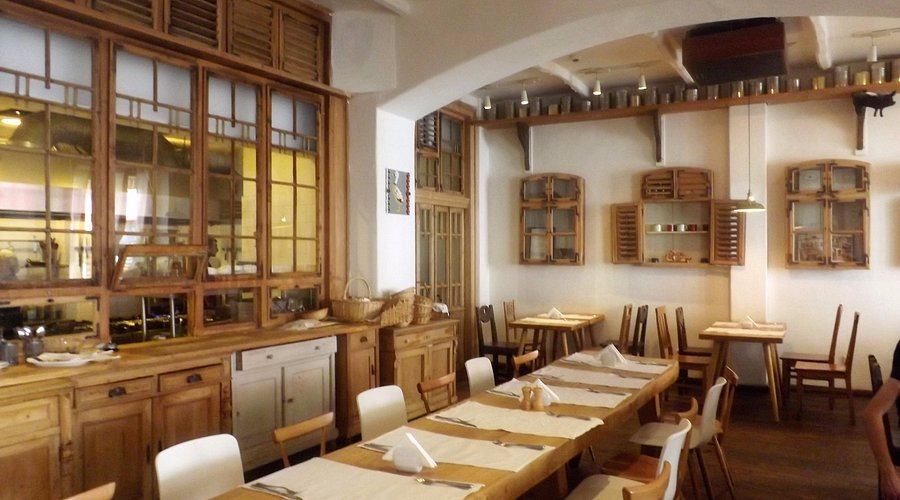
In many parts of the world, food is more than nourishment—it is a reflection of identity, memory, and culture. Romania is one of those places where the dining table often becomes a stage for storytelling. Recipes are handed down through generations, shaped by landscapes, seasons, and centuries of cultural exchange. Restaurants inspired by this heritage are now bringing Romanian cuisine into the spotlight for curious travelers and food lovers. One of the places often highlighted in conversations about authentic Romanian dining is Lacrimi si Sfinti, a concept that celebrates traditional flavors while presenting them in an inviting and contemporary atmosphere. For those exploring culinary destinations online, platforms such as lacrimisisfinti.com help introduce diners to the unique character of Romanian cuisine and the stories behind its dishes.
Traditional Romanian Dishes That Define the Cuisine
Romanian cuisine is rich in comforting dishes that combine rustic ingredients with slow, patient cooking. These meals are often deeply satisfying, reflecting a culture where food is prepared with care and meant to be shared.
A well-known Romanian favorite is sarmale, cabbage leaves filled with a mixture of minced meat, rice, herbs, and spices. Slowly cooked for hours, the dish develops complex flavors and is often served with sour cream and polenta. Another staple is mămăligă, a cornmeal-based dish that resembles polenta but holds a special place in Romanian culinary tradition. It is often paired with cheese, eggs, or savory stews.
Romanian cuisine also celebrates grilled meats. Mititei, small sausages made from minced beef or pork seasoned with garlic and spices, are commonly enjoyed with mustard and fresh bread. These dishes highlight the balance between simplicity and flavor that defines traditional Romanian cooking.
Restaurants featured through lacrimisisfinti.com often emphasize these authentic dishes while presenting them with thoughtful detail and modern culinary creativity. This approach allows diners to experience Romanian cuisine in a way that respects its roots while making it accessible to contemporary audiences.
Historical and Cultural Influences on Romanian Food
Romania’s culinary identity is shaped by centuries of cultural interaction. Positioned between Central Europe, the Balkans, and the former Ottoman territories, the country absorbed influences that enriched its food traditions.
Many Romanian recipes reflect Balkan-style cooking, with hearty stews and grilled meats taking center stage. Ottoman culinary influence introduced spices and cooking techniques that expanded local flavor profiles. Meanwhile, Central European traditions contributed pastries, breads, and desserts that remain popular today.
Romanian cuisine also remains strongly connected to the land. Seasonal vegetables, herbs, mushrooms, and locally raised meats are essential components of many recipes. Rural traditions continue to influence cooking methods, emphasizing slow preparation and the careful layering of flavors.
Through platforms such as lacrimisisfinti.com, visitors can explore how restaurants celebrate these cultural influences while presenting Romanian cuisine in a refined dining environment that respects tradition and creativity.
Essential Elements of the Romanian Dining Experience
Several characteristics make Romanian dining culture unique and memorable:
- Hearty traditional dishes prepared through slow cooking and time-honored recipes
- Fresh regional ingredients reflecting Romania’s agricultural heritage
- A welcoming dining atmosphere where meals are meant to be shared and enjoyed together
These elements help transform Romanian dining into a cultural experience rather than simply a meal.
Creative Cultural Collaboration
Food culture does not exist in isolation. In recent years, restaurants and cultural communities have increasingly collaborated with artists and creative groups to share heritage stories with broader audiences. These collaborations often blend culinary traditions with artistic expression, creating new opportunities for cultural exchange.
One example of such interaction can be seen through connections with creative platforms like apacheskateboards.com, which celebrates art, identity, and community storytelling. While primarily associated with creative culture and design, such platforms occasionally intersect with culinary storytelling projects that highlight heritage and craftsmanship.
By bringing together creative voices from different cultural spaces, these collaborations allow traditional cuisine to reach new audiences while reinforcing the connection between food, art, and cultural identity.
Closing Thoughts
Romanian cuisine continues to captivate diners with its comforting flavors and deep cultural roots. From cabbage rolls and grilled meats to traditional soups and rustic breads, each dish carries the history of generations who preserved these culinary traditions.
Restaurants such as Lacrimi si Sfinti contribute to keeping this heritage alive by presenting authentic Romanian cuisine in a modern context. Through platforms like lacrimisisfinti.com, food explorers can discover how these traditions are preserved while evolving for contemporary audiences. At the same time, creative collaborations—including those involving communities like apacheskateboards.com—demonstrate how culinary heritage can connect with art and culture to inspire new forms of storytelling.
