

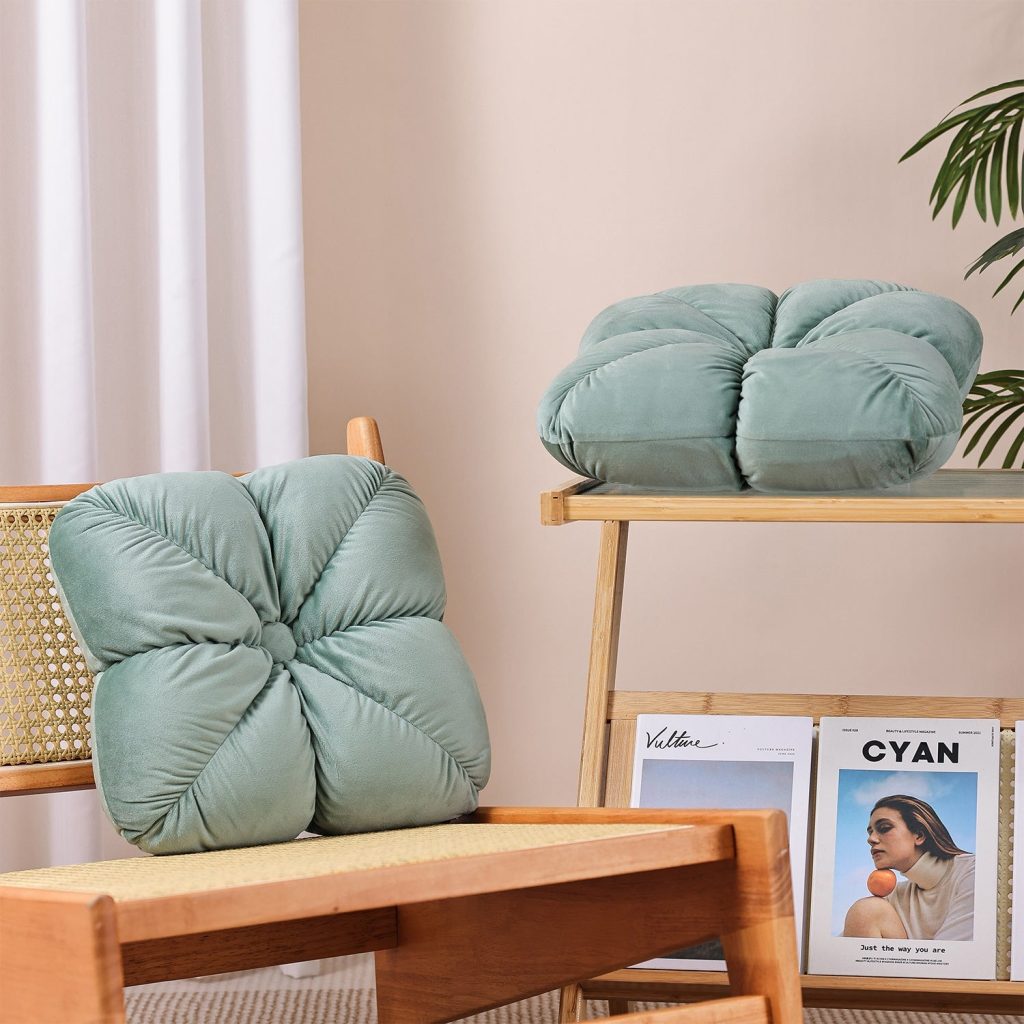
A sofa sits at the heart of nearly every living room, yet it’s often the smallest additions that define its character. Throw pillows, seemingly minor accessories, carry remarkable power to transform an ordinary couch into a curated, inviting centerpiece. They bridge the gap between functional furniture and expressive design, making them indispensable tools for anyone serious about interior styling.
Among the many materials available today, linen throw pillows stand apart. Their natural texture, understated elegance, and remarkable versatility make them a go-to choice for professionals and homeowners alike. Yet for interior designers managing diverse client projects, the challenge isn’t simply choosing linen — it’s finding the right variety, sourcing unique options, and knowing how to blend different aesthetics seamlessly.
This article explores how linen throw pillows can elevate sofa styling across a range of design contexts. From understanding the broader role of decorative pillows in living spaces, to navigating pillow covers and handcrafted pillow shams, to blending farmhouse style pillows into contemporary interiors — each section offers practical guidance tailored to designers seeking fresh, versatile solutions for their clients.
The Essential Role of Decorative Pillows for Sofa Aesthetics
Decorative pillows for sofa arrangements do far more than fill empty cushion space — they anchor a room’s entire visual identity. A carefully chosen set of pillows can unify disparate furniture pieces, introduce color without commitment, and signal a homeowner’s personality within seconds of entering a room. For interior designers, they represent one of the most cost-effective tools for achieving design cohesion across diverse client spaces.
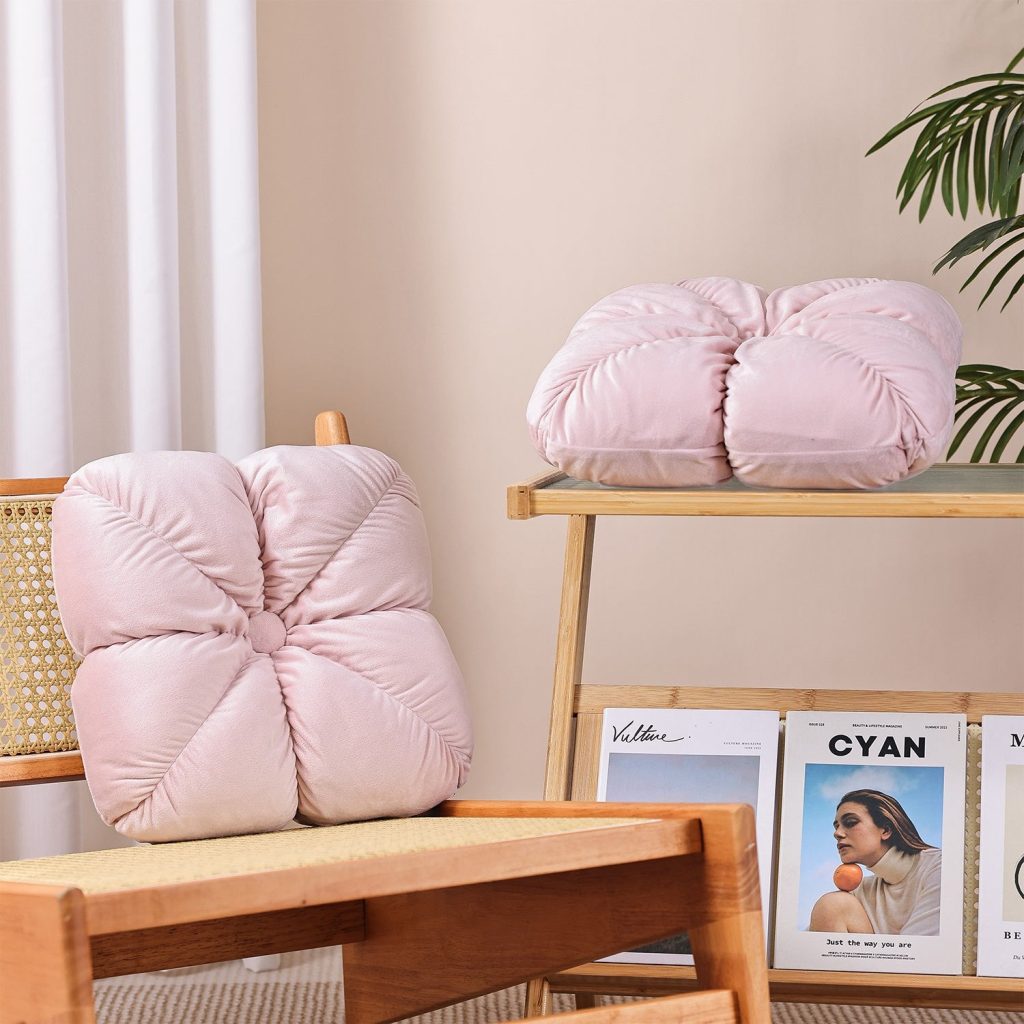
The psychological impact of well-styled throw pillows is surprisingly significant. Soft textures and layered arrangements subconsciously communicate warmth and safety, making guests feel immediately at ease. Conversely, a sofa stripped of pillows can feel clinical and unwelcoming, regardless of how premium the upholstery might be. Research in environmental psychology consistently links tactile softness and visual layering to perceived comfort in living spaces.
Beyond comfort, decorative pillows offer unmatched versatility. Swapping covers seasonally refreshes an entire room without furniture investment. Mixing sizes — typically 20-inch, 18-inch, and lumbar — creates depth and dimension that flat arrangements simply cannot achieve. When beginning any sofa styling project, designers should first assess the existing palette, identify the dominant furniture scale, and determine whether the goal is contrast or harmony. These initial considerations shape every pillow decision that follows, ensuring selections feel intentional rather than accidental.
Why Linen Throw Pillows Are a Superior Choice
When it comes to sofa styling, material choice defines everything — texture, longevity, and the overall mood a space communicates. Linen throw pillows consistently outperform alternatives across all three dimensions, making them a staple recommendation among experienced interior designers. Derived from the flax plant, linen is inherently strong, becoming softer and more supple with each wash rather than deteriorating like synthetic alternatives. This durability makes it particularly valuable in high-traffic living rooms where pillows endure daily handling.
Breathability is another standout quality. Linen’s open-weave structure allows air to circulate freely, preventing the stuffiness that plush or tightly woven fabrics can create. This makes linen throw pillows equally comfortable in warm and cool climates, eliminating the seasonal awkwardness that heavier materials often present. From an environmental perspective, flax cultivation requires significantly less water and pesticide use than cotton, appealing to clients who prioritize sustainable sourcing decisions.
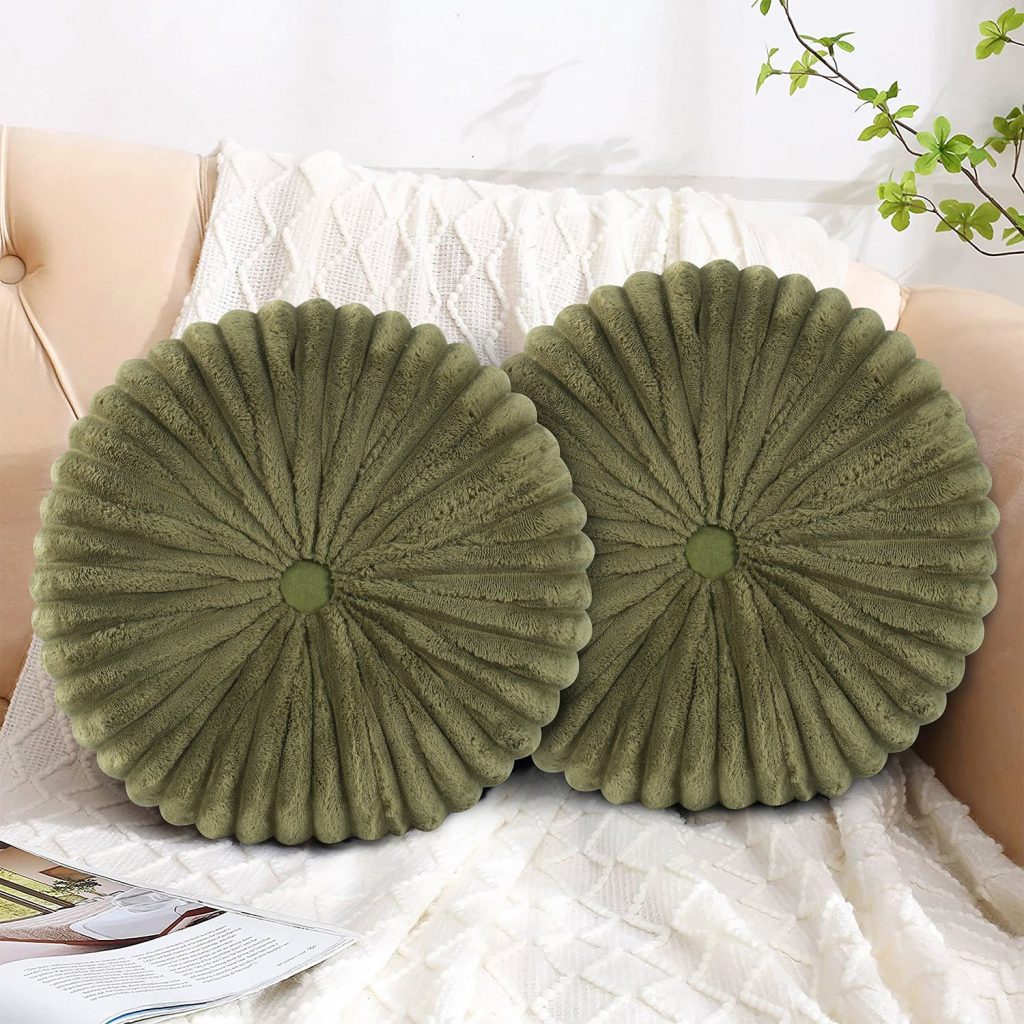
Maintenance is straightforward: most linen covers machine wash well on gentle cycles, and minor wrinkles actually enhance the material’s characteristic relaxed aesthetic rather than detracting from it. Style adaptability is perhaps linen’s greatest asset — its neutral, textured surface pairs naturally with bold patterns, metallic accents, and organic materials alike.
Comparing Linen to Other Fabrics
Cotton offers softness but lacks linen’s distinctive texture and tends to pill over time. Polyester fills budgets effectively yet feels synthetic and traps heat, undermining comfort. Velvet delivers luxury and visual richness but demands careful maintenance and can overwhelm minimalist or casual settings. Linen occupies a uniquely balanced position — durable enough for everyday use, refined enough for elevated interiors, and neutral enough to complement virtually any design direction without competing for attention.
Exploring Variety: Pillow Covers and Handcrafted Pillow Shams
One of the most practical advantages of modern sofa styling is the separation between pillow inserts and their covers. Removable pillow covers allow designers to refresh an entire room’s aesthetic without replacing the underlying cushions — a cost-efficient strategy that clients genuinely appreciate. Seasonal rotations become effortless: swap linen covers in warm neutrals for winter, introduce lighter tones or subtle prints for summer, and the sofa feels entirely reimagined each time. This flexibility is especially valuable when managing clients with evolving tastes or rental properties that require frequent aesthetic updates.
Material options for pillow covers extend well beyond standard linen. Stonewashed linen offers a relaxed, lived-in quality ideal for casual interiors, while raw-edged or enzyme-washed varieties deliver a more refined, tailored appearance. Blended fabrics — linen-cotton combinations, for instance — balance texture with added softness, broadening appeal across different client demographics. Home goods specialists like higbedding carry a range of these blended and stonewashed linen covers, making it easier for designers to compare weave weights and finishes in one place. When sourcing covers, prioritize double-stitched seams and reinforced closures, as these details determine longevity under regular use.
Handcrafted pillow shams introduce an entirely different dimension to sofa styling. Unlike mass-produced options, artisan shams carry visible individuality — irregular weaves, hand-embroidered details, block-printed patterns, or naturally dyed textiles that simply cannot be replicated at scale. For designers seeking distinctiveness in client projects, handcrafted pillow shams offer genuine exclusivity without requiring custom furniture commissions.
Selecting the Right Pillow Covers for Durability
Durability begins with fabric weight — heavier linen weaves resist pilling and abrasion better than lightweight alternatives. Closure type matters equally: concealed zippers maintain clean lines and withstand repeated removal better than envelope closures, which can loosen over time. Always confirm washability before purchasing; quality covers should tolerate gentle machine cycles without shrinking or fading, preserving their appearance across years of regular use.
Incorporating Farmhouse Style Pillows into Modern Designs
Farmhouse style pillows have moved well beyond rural interiors, becoming a sophisticated design language that translates remarkably well into contemporary spaces. Their defining characteristics — natural textures, muted neutral palettes, subtle geometric or botanical patterns, and tactile warmth — complement modern furniture’s clean lines rather than conflicting with them. For interior designers navigating clients who want approachable warmth without sacrificing visual sophistication, farmhouse style pillows offer an ideal middle ground.
The key to successful integration lies in selective restraint. Introduce farmhouse elements through texture first — chunky woven linen, cotton canvas, or grain sack stripes — while keeping the surrounding palette disciplined. Against a contemporary sofa in charcoal or deep navy, a grouping of farmhouse style pillows in cream, oatmeal, and dusty sage creates contrast without chaos. Avoid overloading a single arrangement with too many rustic elements; two or three farmhouse pillows paired with a solid, modern lumbar piece strikes the right balance between character and refinement.
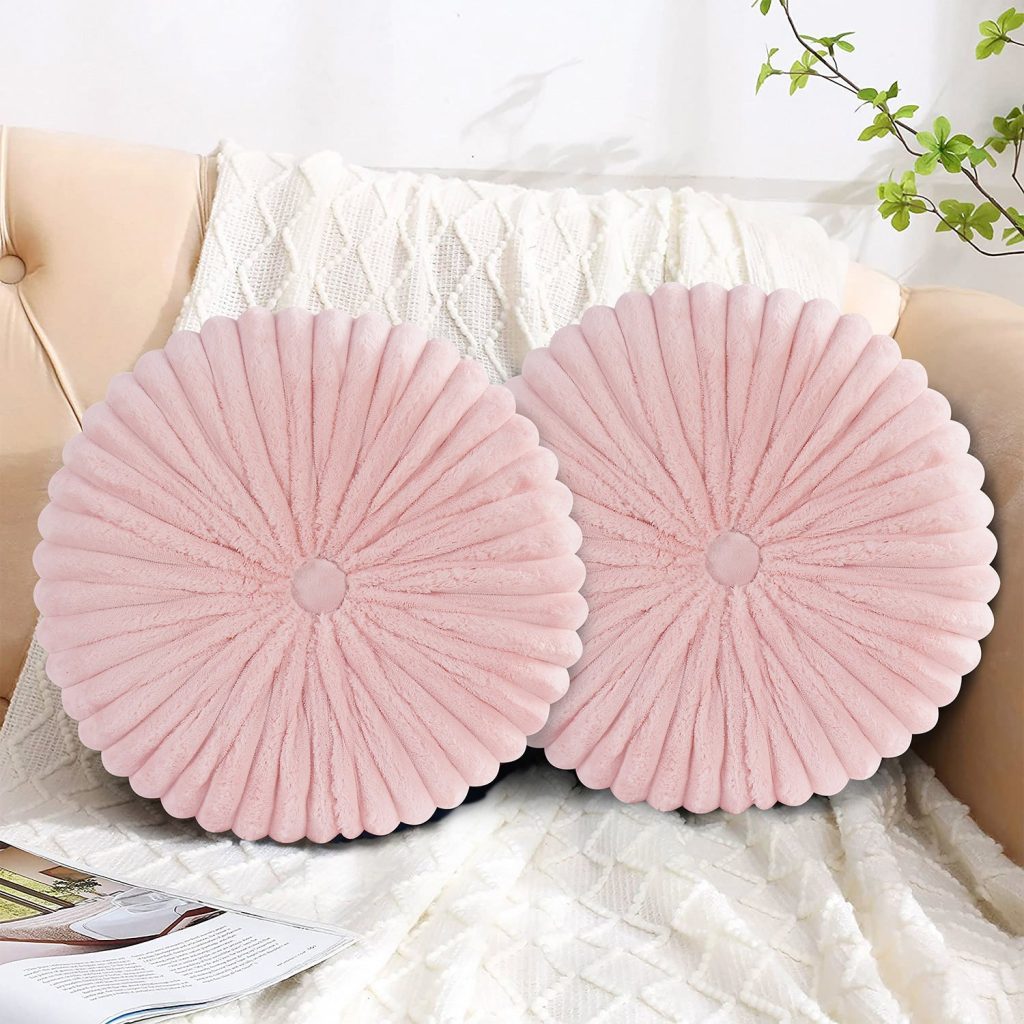
Scale matters significantly here. Larger 22-inch farmhouse pillows anchor modern sectionals effectively, while smaller 18-inch options work better on streamlined two-seaters where proportion is critical. Pairing rough-textured farmhouse covers with smooth leather or structured fabric upholstery creates deliberate tension that feels curated rather than accidental.
Case Studies: Successful Farmhouse-Modern Blends
Consider a client with a mid-century modern living room featuring a walnut credenza and a low-profile slate sofa. Introducing linen farmhouse pillows with subtle cross-stitch detailing and a muted stripe lumbar immediately softens the room’s rigidity without undermining its architectural intent. In another scenario, an open-plan apartment with industrial concrete walls benefits from oversized farmhouse-style linen pillows in warm ivory — their organic texture directly counterbalancing the space’s harder surfaces. Both cases demonstrate the same principle: farmhouse style pillows succeed in modern contexts when they introduce warmth and texture rather than competing with the dominant design narrative.
Practical Steps for Interior Designers: Styling Solutions and Sourcing
Translating pillow theory into client-ready results requires a structured approach. Begin by assessing the client’s existing palette, furniture scale, and lifestyle — a household with young children demands durable, washable covers, while a minimalist professional space calls for refined textures and restrained color. This initial audit prevents costly mismatches and ensures every selection serves the room’s specific needs rather than generic design trends.
Build a mood board before purchasing anything. Compile fabric swatches, color references, and arrangement photographs that reflect the intended aesthetic. This step aligns client expectations early, reducing revision cycles and clarifying which pillow styles — whether handcrafted shams, farmhouse linen, or structured modern covers — belong in the final arrangement. When mixing sizes, follow the standard layering principle: place larger 22-inch pillows at the back, 18-inch mid-layer options in front, and a lumbar piece centered for visual grounding.
For sourcing, diversify beyond mass-market retailers. Artisan marketplaces, textile wholesalers, and specialty linen suppliers offer distinctive options that elevate client projects above standard interiors. Establish relationships with a few reliable vendors who stock varied weaves, natural dyes, and handcrafted options — consistent sourcing partners simplify procurement significantly. Budget allocation should reserve roughly 15–20% of a soft furnishings budget for pillow styling, acknowledging their outsized visual impact relative to cost. Finally, advise clients on maintenance: provide care labels, recommend gentle wash cycles, and suggest rotating pillow positions monthly to distribute wear evenly and extend longevity across all covers.
Linen Throw Pillows as the Foundation of Thoughtful Sofa Styling
Sofa styling is rarely about grand gestures — it’s about the deliberate, thoughtful choices that accumulate into something genuinely inviting. Decorative pillows sit at the center of that process, offering designers a flexible, high-impact tool for shaping how a room feels the moment someone enters it. When that tool is linen, the results consistently speak for themselves: natural texture, lasting durability, and an effortless elegance that adapts to virtually any design direction.
Throughout this article, we’ve explored how linen throw pillows outperform alternative materials, why removable pillow covers and handcrafted pillow shams expand creative possibilities, and how farmhouse style pillows can be integrated into modern interiors with balance and intention. Each of these elements directly addresses what interior designers encounter most — clients who want something distinctive, spaces that resist generic solutions, and results that feel curated rather than assembled.
The practical framework outlined here — from initial client assessment through sourcing, arrangement, and maintenance — gives designers a reliable foundation for approaching any sofa styling project with confidence. Ultimately, the right linen throw pillow doesn’t just complete a sofa; it completes a room. Investing in quality materials, diverse styles, and thoughtful placement ensures every client space achieves both the comfort and aesthetic elevation it deserves.
